Showing posts with label Produce. Show all posts

Friday, September 18, 2026

Lettuce: How to Choose, Wash, Store, Keep It Crisp, and Know When to Toss It

Fresh lettuce can go from crisp to limp surprisingly fast, but most of the difference comes down to how fresh it was when you bought it, how cold you keep it, and how much moisture surrounds the leaves. This guide covers the practical basics for choosing, washing, storing, and using lettuce while it is still at its best.

How to choose fresh lettuce

Look for leaves that are crisp, turgid, and bright for the variety. Avoid heads or loose leaves with obvious decay, heavy bruising, large slimy areas, or extensive mechanical damage. For romaine and loose-leaf types, UC Davis notes that good-quality leaves should be crisp and free from decay and damage.
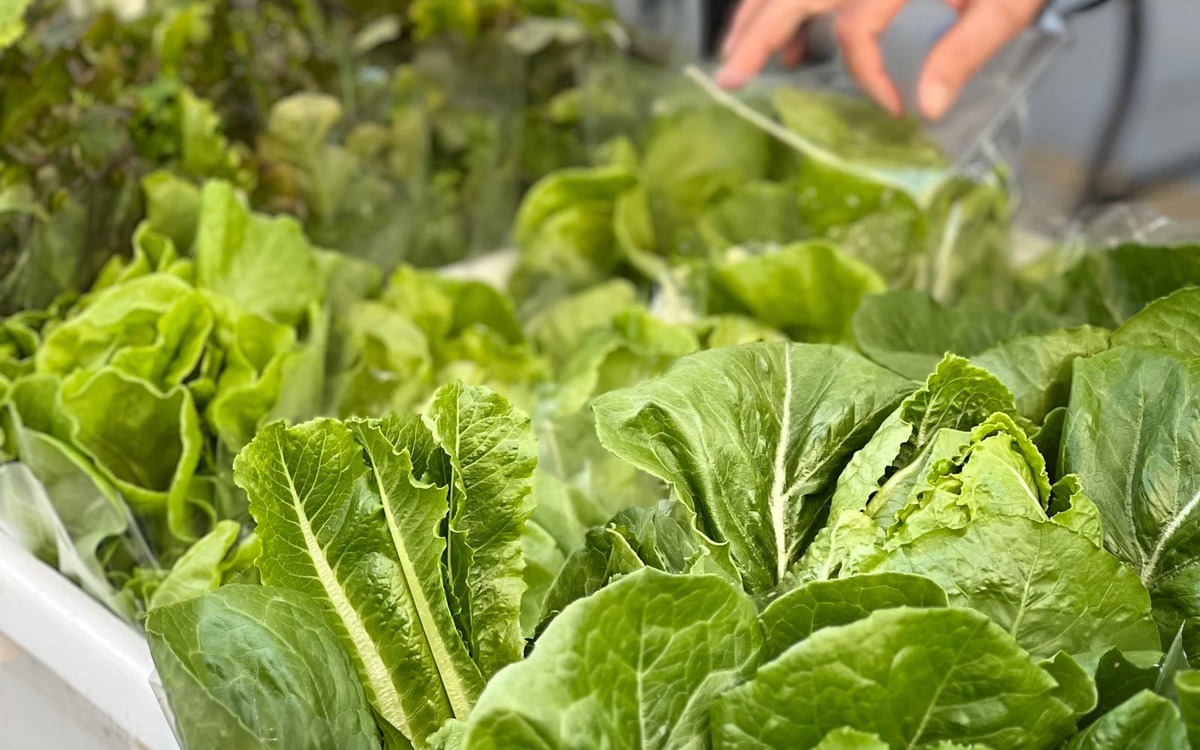
Fresh romaine and leaf lettuces displayed at a farmers market

Should you wash lettuce before storing it?

For whole heads and unwashed loose lettuce, the simplest routine is usually to keep it dry until you are ready to use it. Colorado State University Extension recommends not cleaning fresh greens before storage. If you do wash lettuce ahead of time, dry it very thoroughly because excess surface moisture can speed deterioration.

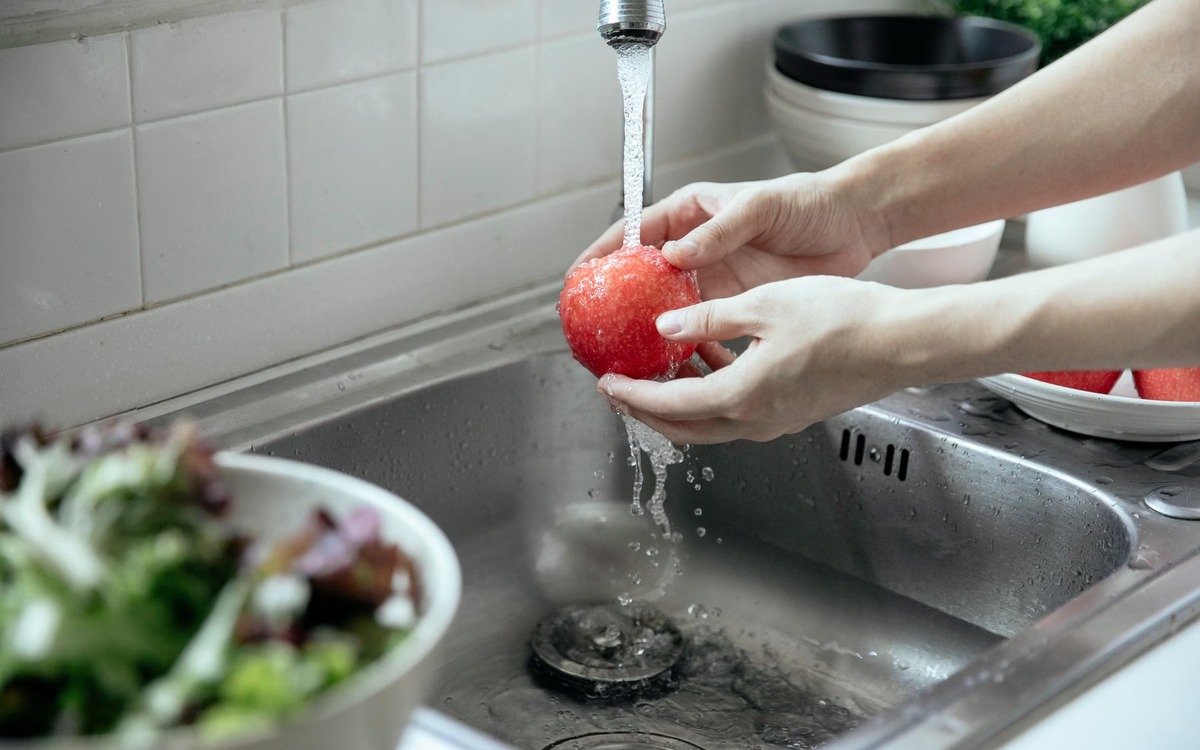
When you are ready to eat lettuce, separate the leaves as needed and rinse them thoroughly under cool running water. The FDA advises washing produce under running water and says not to use soap, detergent, or commercial produce wash. Dry the leaves with a clean towel or salad spinner.
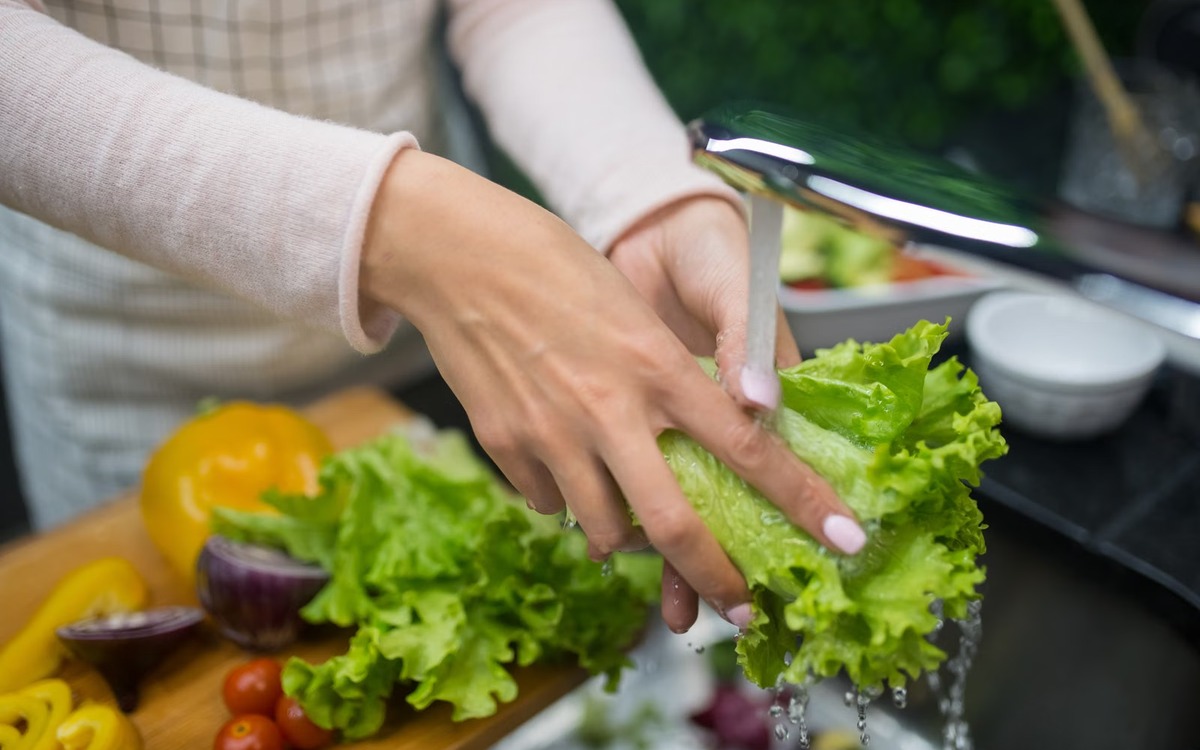
Hands rinsing fresh lettuce under cool running water in a kitchen

How to store lettuce in the refrigerator

Lettuce is a refrigerated food. The FDA recommends keeping perishable produce such as lettuce in a clean refrigerator at 40°F (4°C) or below. At home, store lettuce in the produce drawer or in a container or bag that helps limit moisture loss without trapping excess water against the leaves.

A practical setup is a container lined with clean paper towels, as suggested by Colorado State University Extension. The goal is to protect the leaves from drying out while also preventing standing moisture. For typical household storage, plan to use lettuce within about a week for best quality; actual life varies with variety, freshness at purchase, and refrigerator conditions.

Fresh lettuce and vegetables stored inside a clean refrigerator

Keep lettuce away from ethylene-producing fruit

Lettuce is sensitive to ethylene. UC Davis reports that exposure can cause russet spotting, especially on the midribs. Apples and pears are examples of ethylene-producing fruits, so keeping lettuce away from them in the refrigerator can help preserve its appearance.

How to keep lettuce crisp

Lettuce loses crispness as it loses water. Cold temperatures and high humidity slow that process, while a loose barrier such as a bag or covered container reduces moisture loss. At home, a crisper drawer or a roomy container is usually more useful than leaving an uncovered head on a refrigerator shelf.

If leaves are already badly wilted, slimy, rotten, or strongly off-smelling, storage tricks will not restore them. Remove damaged leaves promptly and discard lettuce that clearly shows decay.
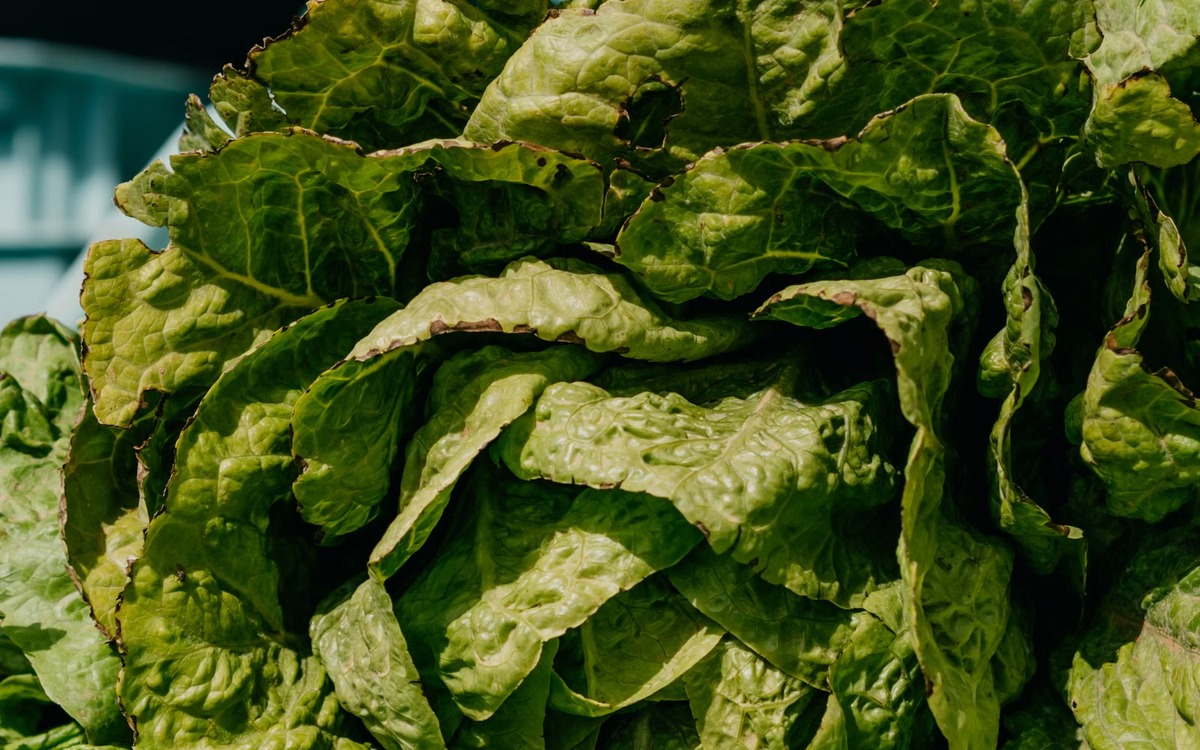
Close-up of fresh crisp green lettuce leaves

Can you freeze lettuce?

Freezing is not a good way to preserve lettuce for salads. The high water content means the leaves lose their crisp texture after freezing and thawing. Colorado State University Extension specifically notes that tender lettuce greens do not freeze well. If you want crisp lettuce, refrigeration is the better storage method.

When should you throw lettuce away?

Discard lettuce that looks rotten or has extensive slime, mold, severe darkening, or an unpleasant odor. The FDA advises throwing away produce that looks rotten. A few dry or bruised outer leaves can simply be removed if the rest of the head remains sound, but widespread decay is a reason to toss it.

Quick takeaways

  • Choose crisp, turgid leaves without obvious decay or major damage.
  • Keep lettuce refrigerated at 40°F (4°C) or below.
  • Wash under cool running water just before use, and do not use soap.
  • Dry washed lettuce thoroughly and protect it from moisture loss.
  • Store it away from ethylene-producing fruit such as apples and pears.
  • Use refrigerated lettuce within about a week for best household quality.
  • Do not expect frozen lettuce to stay crisp for salads.

Sources

Food-safety guidance: U.S. Food and Drug Administration. Storage and quality guidance: UC Davis Postharvest Research and Extension Center, Colorado State University Extension, and Utah State University Extension.
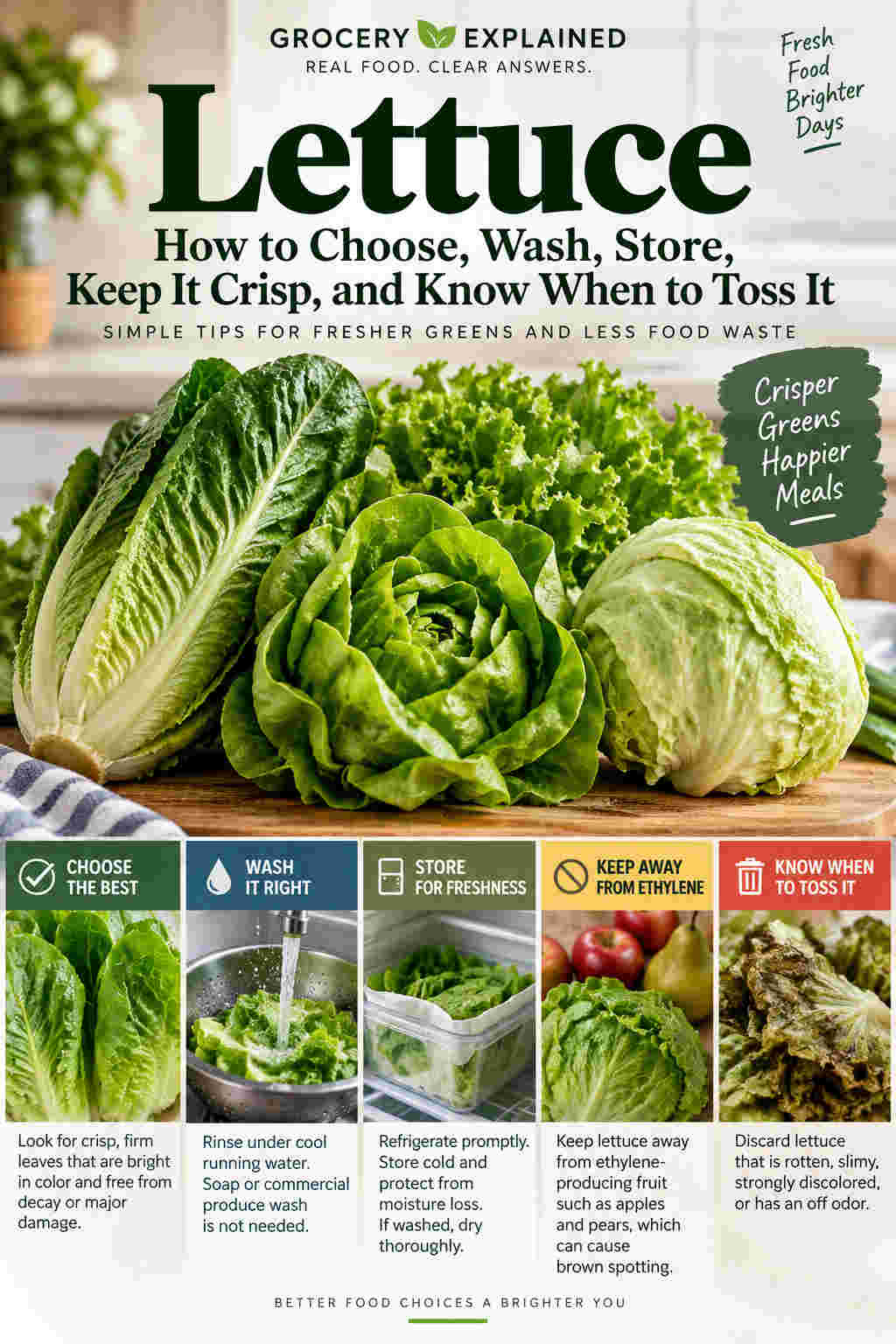
Photographic Grocery Explained guide to choosing, washing, storing, keeping lettuce crisp, and knowing when to discard it

Zucchini: How to Choose, Wash, Store, Freeze, and Know When to Toss It

A practical guide to buying tender zucchini, keeping it fresh in the refrigerator, washing it at the right time, freezing extras, and spotting spoilage.

Zucchini is one of those vegetables that can look perfectly sturdy at the store and then lose quality surprisingly fast at home. Its thin skin and high water content make it convenient to cook, but they also make it prone to bruising, shriveling, chilling injury, and decay if it sits too long.

The basic strategy is simple: buy firm, glossy zucchini; keep it dry and cold for short-term storage; wash it just before preparation; and freeze extra zucchini with the right blanching step instead of waiting for it to soften in the refrigerator.

How to choose good zucchini

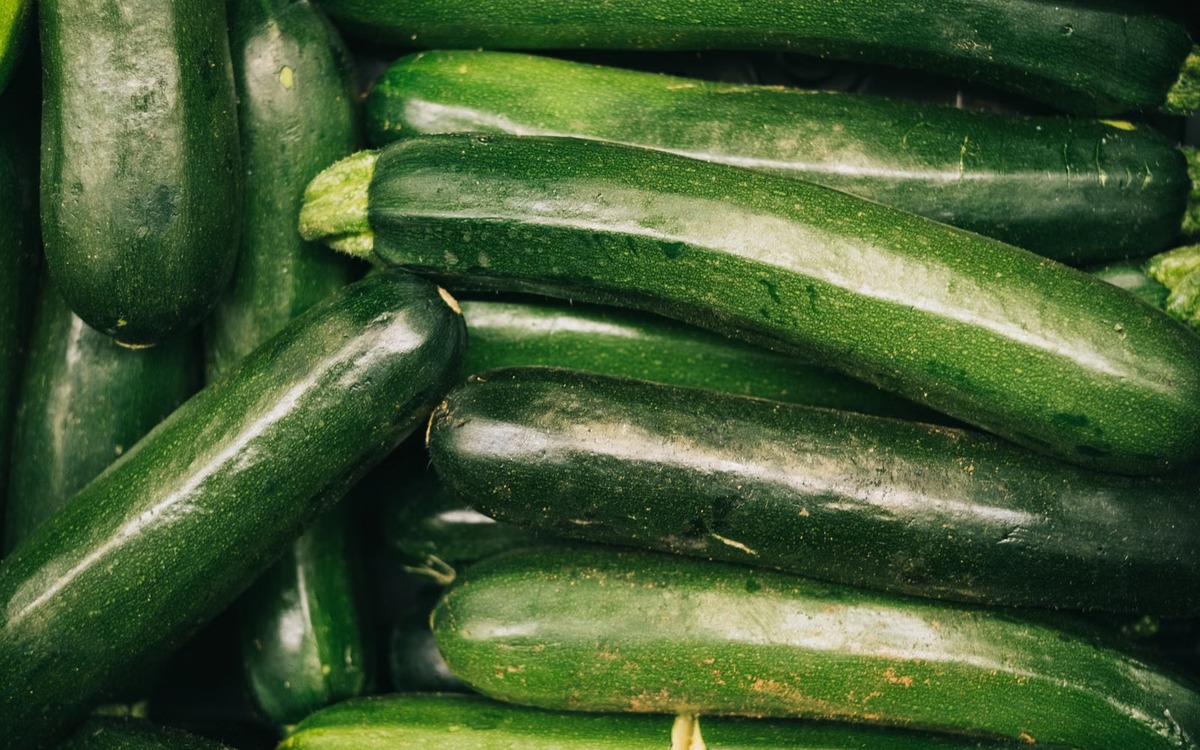
Look for zucchini that feels firm for its size and has glossy, tender-looking skin. The stem end should be intact, and the surface should be free of cuts, deep bruises, pitting, yellowing, or visible decay. UC Davis lists overall firmness, glossy skin, a tender rind, and freedom from physical damage and decay among the main quality indicators for summer squash.

Smaller to medium zucchini are often the easiest choice for everyday cooking because very mature squash can develop tougher skin, larger seeds, and more fibrous flesh. A huge zucchini is not automatically unsafe, but it may be less tender than a younger one.

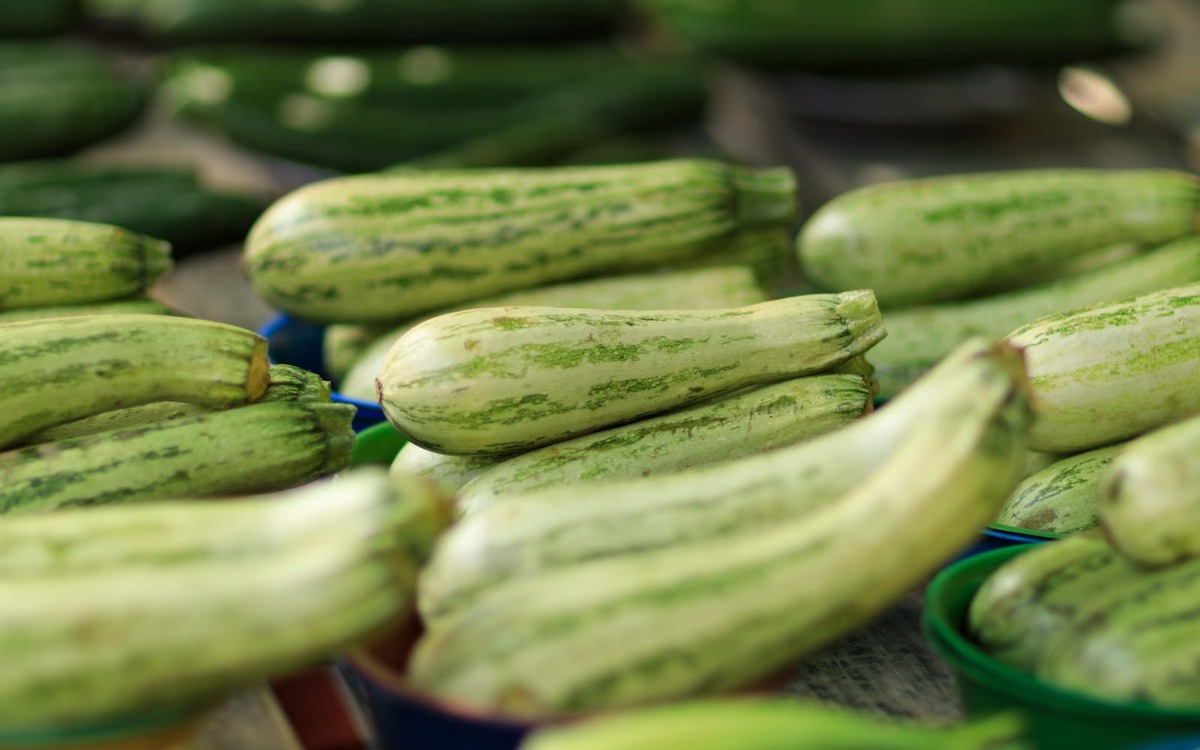
Fresh green zucchini displayed at a produce market
Choose firm, glossy zucchini without deep bruises, yellowing, or visible decay.

Wash zucchini just before you use it

For storage, keeping zucchini dry is useful because extra surface moisture can encourage spoilage. Utah State University recommends storing zucchini unwashed and washing it just before preparation.

When you are ready to cook or cut it, rinse the zucchini thoroughly under cool running water and gently rub the surface. The FDA recommends washing produce under running water and does not recommend soap, detergent, or commercial produce wash. Dry the zucchini with a clean towel or paper towel after rinsing.

How to store zucchini in the refrigerator

For normal home storage, place dry, unwashed zucchini in a perforated produce bag or another container that limits moisture loss without trapping heavy condensation, then keep it in the refrigerator crisper drawer. Utah State University lists about one week as an expected upper shelf-life range, while noting that best quality is usually earlier.

There is an important temperature nuance: commercial postharvest guidance puts the ideal range for summer squash around 41–50°F (5–10°C). Standard home refrigerators are often colder than that. UC Davis notes that extended storage below about 41°F can cause chilling injury, including surface pitting, discoloration, and faster decay after the squash warms up again. In practice, store zucchini in the crisper rather than against the very cold back wall and plan to use it promptly rather than treating it as a long-storage vegetable.

Fresh zucchini stored in a refrigerator crisper drawer
Keep dry, unwashed zucchini in the crisper and use it while it is still firm and glossy.

Keep whole zucchini whole until you need it

Whole zucchini generally holds quality better than cut zucchini. Once you slice or grate it, more moist surface area is exposed and texture declines faster. If you only need half, refrigerate the cut portion promptly in a clean covered container and use it soon.

Before slicing, inspect the squash. Small superficial marks can often be trimmed away, but widespread softness, leaking liquid, mold, or a rotten smell are signs that the zucchini should not be used.

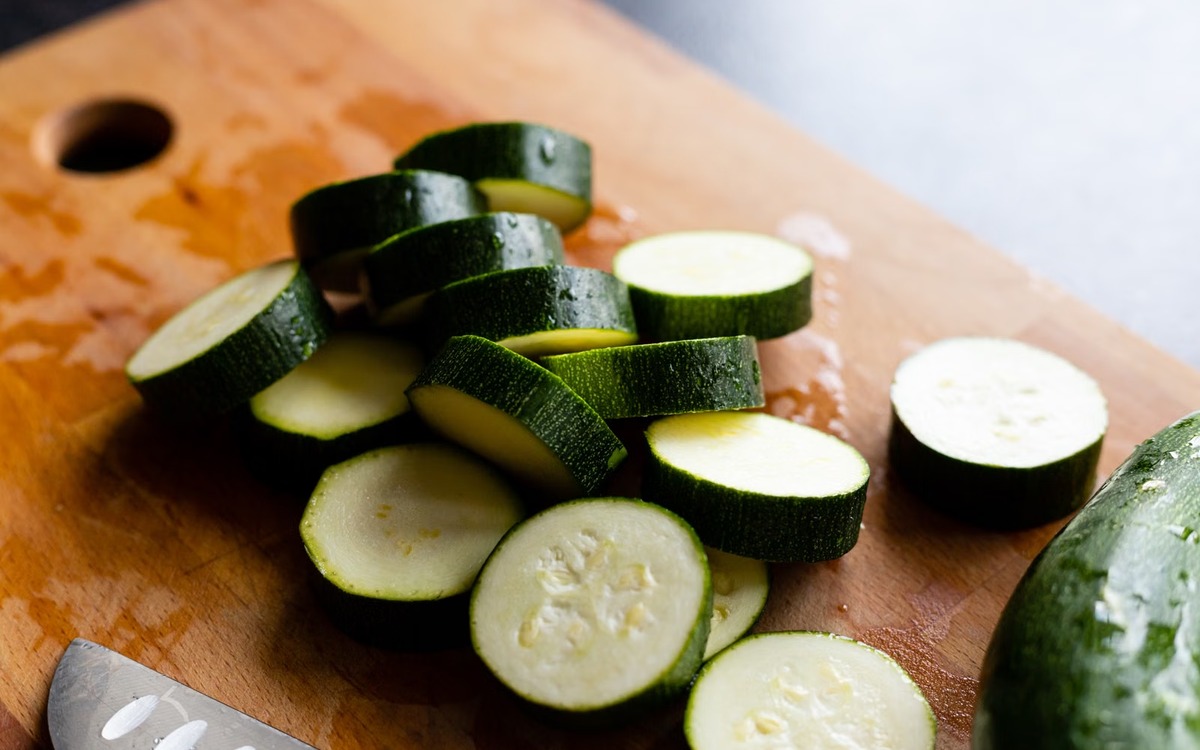
Fresh zucchini sliced on a wooden cutting board
Cut only what you need; exposed zucchini loses texture faster than a whole squash.

How to freeze zucchini

Freezing is a good option when you have more zucchini than you can use while it is fresh, but the preparation matters. The National Center for Home Food Preservation recommends choosing young squash with tender skin, washing it, cutting it into 1/2-inch slices, and water-blanching the slices for 3 minutes before cooling, draining, packaging, and freezing.

Blanching slows enzyme activity that would otherwise damage color, flavor, and texture during frozen storage. After blanching, cool the zucchini promptly, drain it well, package it in freezer-safe containers or bags, label it, and freeze it. Thawed zucchini will be softer than fresh zucchini, which makes it better suited to soups, casseroles, sauces, sautés, and baked dishes than to raw salads.

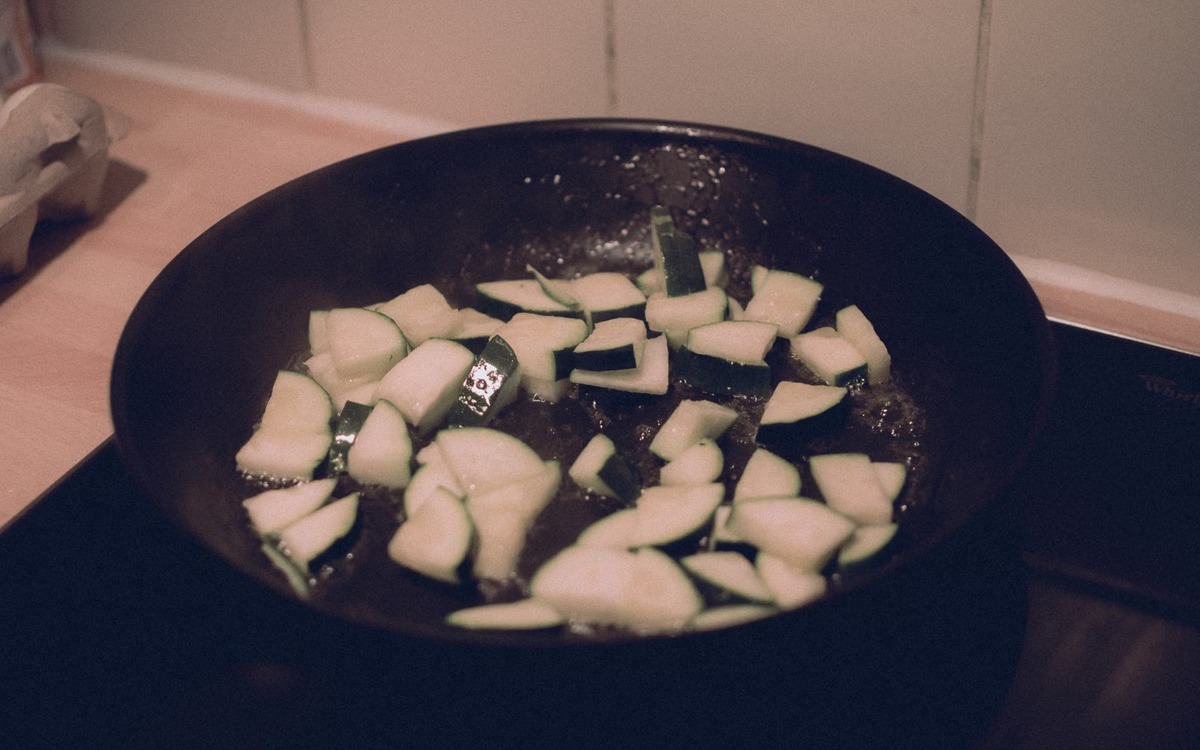
Sliced zucchini cooking in a skillet
Frozen zucchini softens after thawing, so cooked dishes are usually the best destination.

How to tell when zucchini has gone bad

Discard zucchini that is visibly rotten, moldy, slimy, leaking, or extensively soft. The FDA advises throwing away produce that looks rotten. Deep pitting, large water-soaked areas, strong discoloration, or an unpleasant fermented or rotten odor are also good reasons not to use it.

A slightly dull surface or a small dry scar does not automatically mean the whole squash is spoiled. Judge the zucchini as a whole: firmness, smell, visible decay, and the condition of the flesh after cutting are more useful than one cosmetic mark.

Simple zucchini storage routine

  • Buy firm, glossy zucchini with minimal damage.
  • Store it dry and unwashed in the refrigerator crisper.
  • Wash under running water just before preparation; do not use soap.
  • Use fresh zucchini promptly rather than storing it for long periods.
  • For freezing, slice and blanch for 3 minutes, then cool, drain, pack, and freeze.
  • Discard zucchini that is rotten, moldy, slimy, leaking, or extensively soft.

Handled this way, zucchini stays useful for quick weeknight meals without turning into a forgotten soft squash at the back of the refrigerator.

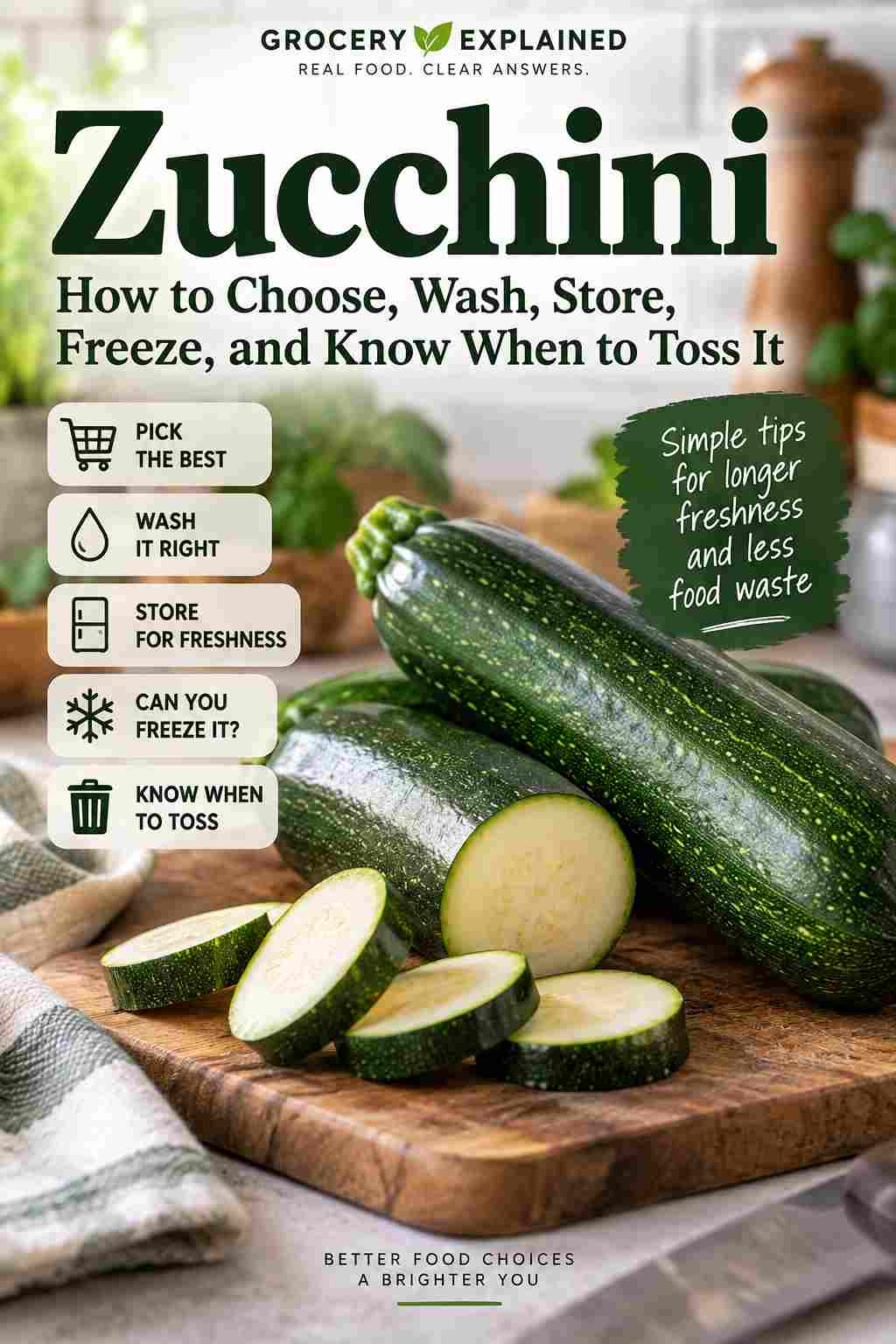
Photographic Grocery Explained guide to choosing, washing, storing, freezing, and checking zucchini for spoilage
A visual summary of how to choose, wash, store, freeze, and safely discard zucchini.

Wednesday, September 16, 2026

Cucumbers: How to Choose, Wash, Store, and Keep Them Crisp

A practical guide to buying better cucumbers, washing them safely, storing them for better texture, and spotting the point when they should be tossed.

Cucumbers seem simple, but they are unusually sensitive to storage conditions. They lose water quickly, can develop chilling injury when kept too cold for too long, and yellow faster around ethylene-producing produce. The goal at home is not perfect commercial storage; it is to keep them cool, humid, undamaged, and away from the foods that speed deterioration.

How to choose cucumbers that will last

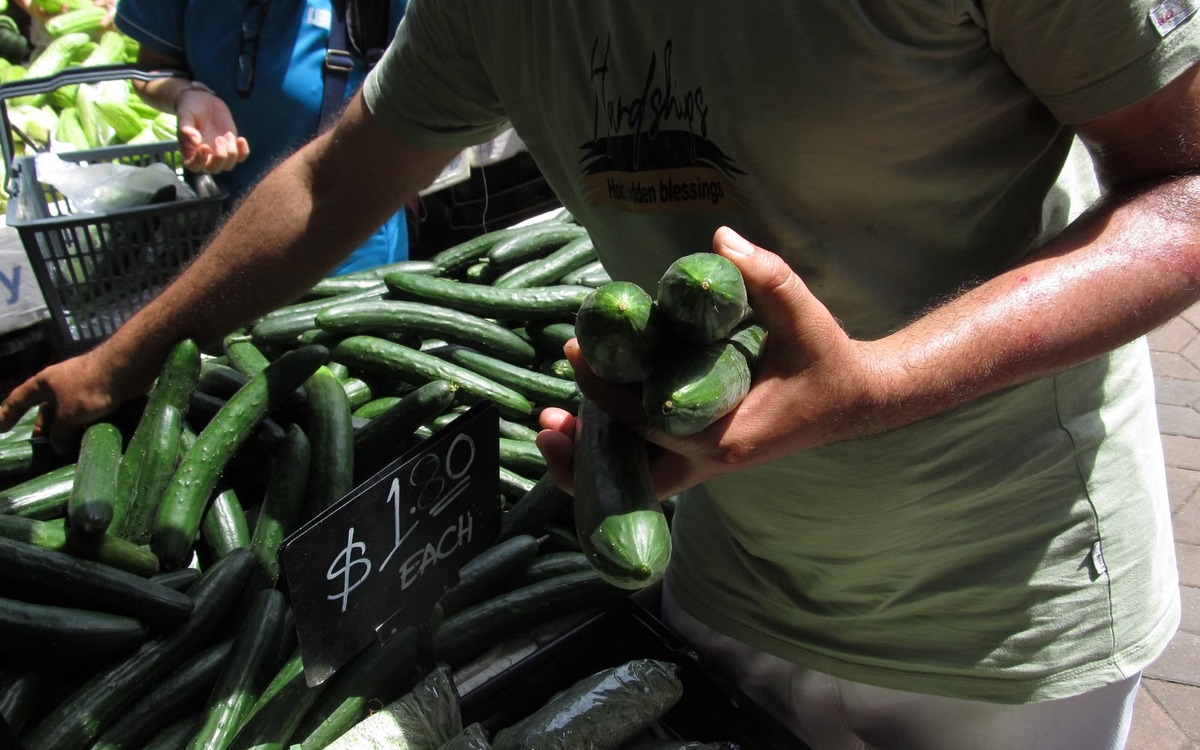
Look for cucumbers that feel firm and heavy for their size, with bright, even color and no soft spots, major bruising, shriveling, or yellowing. Colorado State University Extension recommends firm cucumbers without soft spots or discoloration, and UC Davis lists firmness, decay, yellowing, and physical damage among the key quality factors.

Fresh green cucumbers being selected at a market stall
Start with firm, evenly colored cucumbers without soft or damaged areas.

Wash them right before cutting or eating

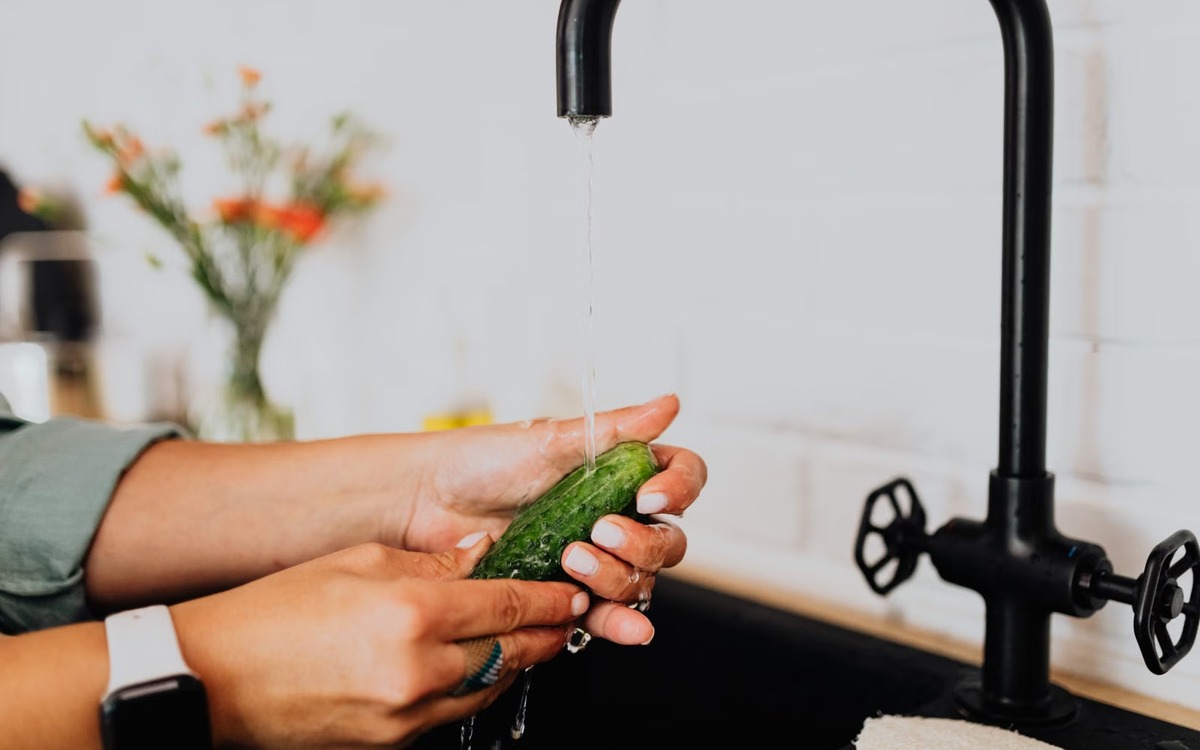
Rinse cucumbers thoroughly under clean running water before preparing or eating them. Because cucumbers are firm produce, the FDA recommends scrubbing the surface with a clean produce brush. Do not wash produce with soap, detergent, bleach, or commercial produce wash. Dry the cucumber with a clean towel or paper towel after rinsing.

A fresh cucumber being washed under running water in a kitchen sink
Use running water and a clean produce brush; soap is not needed.

How to store cucumbers at home

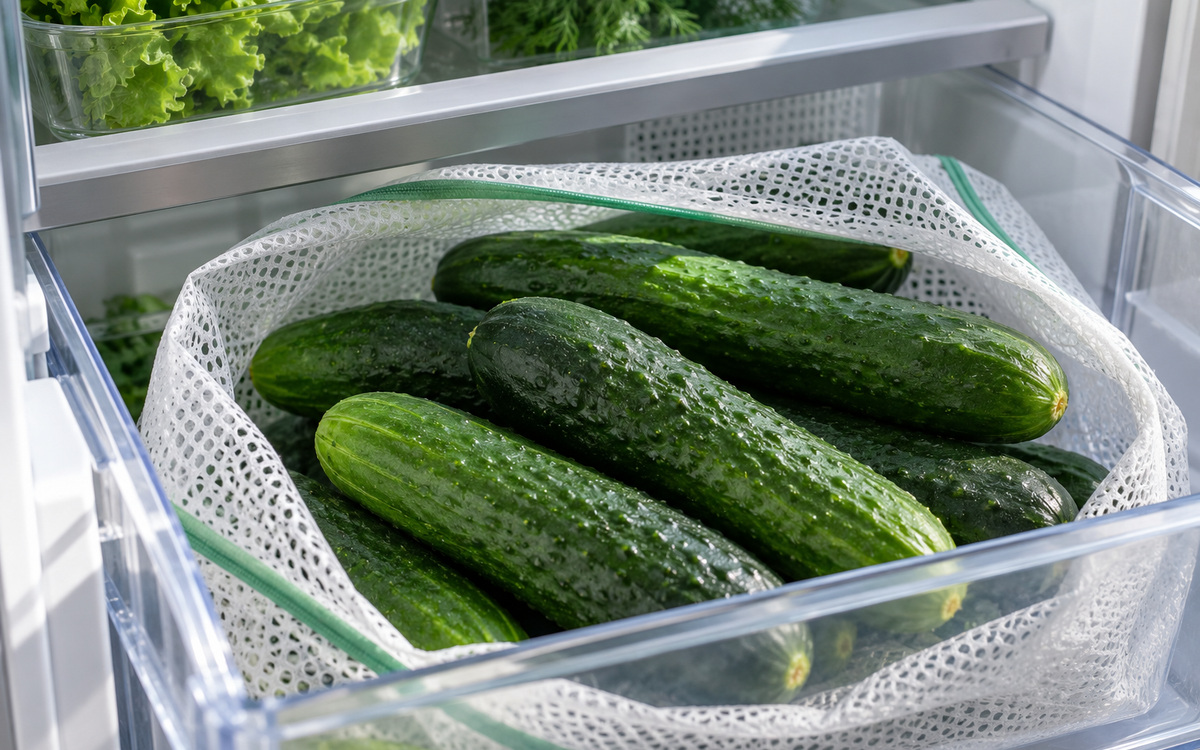
The ideal storage temperature for cucumbers is warmer than a typical refrigerator: UC Davis lists about 50–55°F (10–12.5°C), while University of Minnesota Extension notes that these ideal cool, humid conditions are hard to reproduce in most homes. In practice, a refrigerator crisper is a reasonable short-term option. A perforated or breathable bag helps limit moisture loss without trapping too much condensation.

Do not expect indefinite refrigerator storage. University of Minnesota Extension gives about one week as a practical home-storage expectation, while UC Davis notes that chilling injury can develop when cucumbers are held below about 50°F for several days. If your refrigerator runs very cold, use cucumbers sooner rather than trying to stretch their storage time.

Whole cucumbers stored in a breathable mesh bag inside a refrigerator crisper drawer
A breathable bag in the crisper is a practical short-term home-storage setup.

Keep cucumbers away from apples and tomatoes

Cucumbers are sensitive to ethylene. UC Davis reports that low levels of ethylene can accelerate yellowing and decay, and University of Minnesota Extension specifically advises not storing cucumbers with apples or tomatoes. If your crisper contains those foods, separate them rather than packing everything tightly together.

Once you cut a cucumber

Cut produce should be kept cold. University of Minnesota Extension recommends holding cut produce at 41°F (5°C) or below, and FDA guidance says pre-cut produce should be refrigerated. Cover the cut cucumber or place the pieces in a clean covered container, return them to the refrigerator promptly, and use them while they still look and smell fresh.

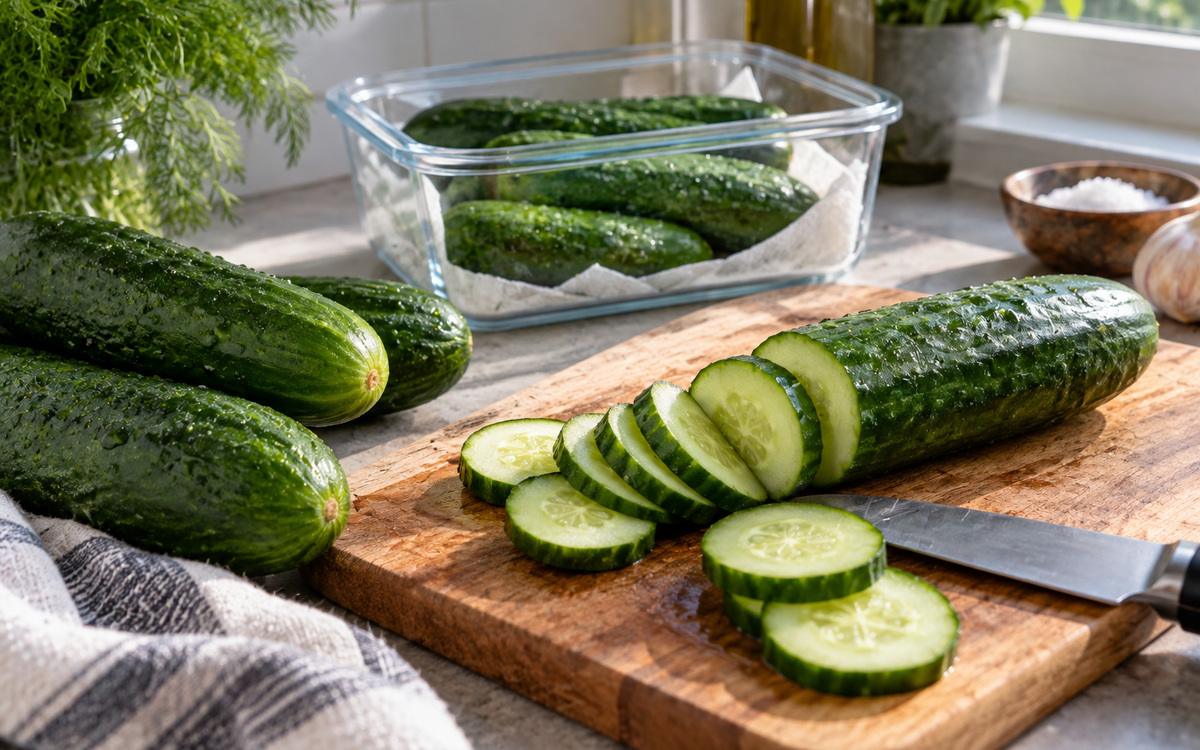
Fresh cucumber being sliced on a wooden cutting board in a bright kitchen
Refrigerate cut cucumber promptly in a clean covered container.

When to toss cucumbers

Discard cucumbers that are clearly rotten, moldy, slimy, leaking, badly damaged, or very soft. FDA guidance says to throw away produce that looks rotten and to cut away damaged or bruised areas before preparation. If spoilage is widespread or the cucumber has broken down substantially, it is better to discard it than try to salvage it.

Simple takeaways

  • Choose firm cucumbers with bright, even color and no soft spots.
  • Wash under running water and scrub with a clean produce brush; do not use soap.
  • Use a breathable or perforated bag for short-term cool storage.
  • Keep cucumbers away from apples and tomatoes because ethylene speeds yellowing and decay.
  • Refrigerate cut cucumber promptly and discard produce that is clearly spoiled.
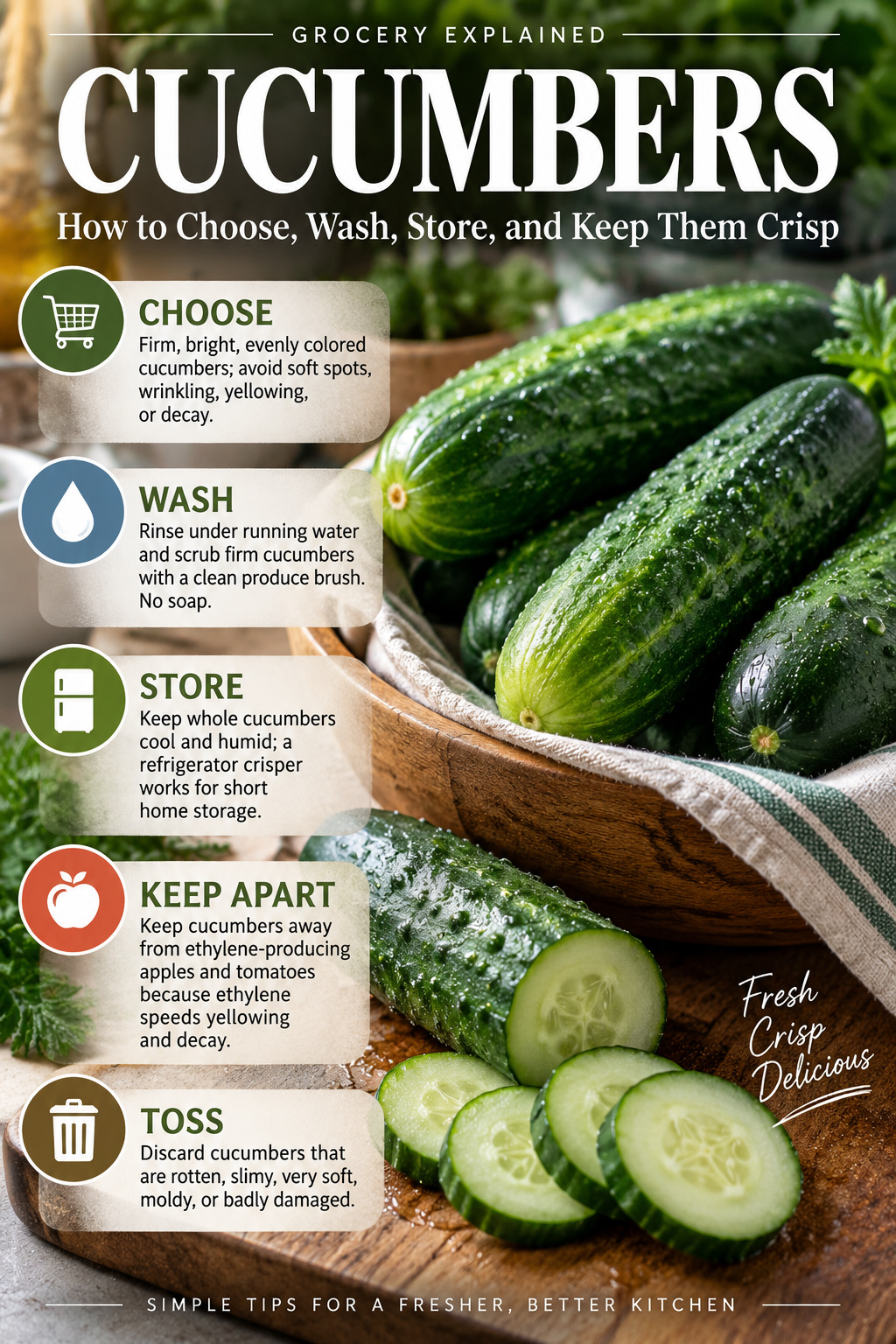
Photographic Grocery Explained guide to choosing, washing, storing, and keeping cucumbers crisp
A visual guide to choosing, washing, storing, separating, and discarding cucumbers.

Sunday, September 6, 2026

Avocados: How to Choose, Ripen, Store, and Keep Them From Browning

Avocados are easy to buy at the wrong stage. One can be too firm for dinner tonight, perfect for only a few hours, or already soft enough to bruise on the trip home. Once you cut it, the bright green surface can also turn brown surprisingly fast.

The most useful approach is to match the avocado to your schedule: choose the right firmness, let firm fruit ripen at room temperature, move ripe avocados to the refrigerator, wash the skin before cutting, and protect cut surfaces from air when you are saving leftovers.

How to choose an avocado at the store

Start with firmness, not color alone. Different avocado varieties change color differently as they ripen. Hass avocados often darken as they soften, but skin color is still only one clue.

If you want to eat the avocado the same day, choose one that gives slightly to gentle pressure in your palm without feeling mushy. If you are shopping several days ahead, choose a firmer avocado and let it ripen at home. Avoid fruit with large sunken areas, broken skin, leaking spots, or extensive soft bruising.

Do not squeeze repeatedly with your fingertips. That can bruise the flesh. A gentle whole-hand check is enough.

Whole avocados displayed for sale at a produce market

How avocados ripen after you bring them home

Avocados do not ripen on the tree in the same way many people expect. After harvest, their ripening process accelerates and the fruit gradually softens. UC Davis notes that ethylene is closely involved in avocado ripening.

For normal home use, keep a firm avocado at room temperature away from direct sun and strong heat. Check it once a day. When it yields gently to pressure, it is ready to eat or refrigerate.

How to ripen an avocado faster

If dinner is approaching and your avocado is still hard, place it in a paper bag with an apple or tomato and leave the bag at room temperature. UC Davis recommends using ethylene-producing fruit to speed avocado ripening.

This method still takes time; it does not turn a hard avocado into a properly ripened one in a few minutes. Heating an avocado in the oven or microwave may soften the flesh, but it does not reproduce normal ripening and can give you a disappointing texture and flavor.

When should you refrigerate avocados?

Refrigeration is most useful once the avocado is ripe. Cold temperatures slow further softening, so moving a ready-to-eat avocado into the refrigerator gives you a larger window to use it. UC Davis lists ripe-avocado storage around 36–40°F (2–4°C), which fits normal refrigerator conditions.

For a very firm avocado that you want to ripen soon, room temperature is usually more practical because chilling slows the process. Once the fruit feels ready, refrigerate it and plan to use it within the next several days rather than treating refrigeration as indefinite storage.

Whole and halved ripe avocados arranged on a kitchen cutting board

Wash the avocado before you cut it

You do not eat the avocado peel, but you should still wash the outside before cutting. The FDA specifically recommends washing produce under running water before peeling or cutting so dirt and bacteria on the surface are less likely to be transferred inside by the knife.

Rinse the avocado under plain running water and gently rub the surface. Because avocado has a firm outer skin, a clean produce brush can also be used. Do not wash produce with soap, detergent, bleach, or commercial produce wash. Dry the avocado with a clean towel or paper towel before putting it on the cutting board.

Cut avocados with clean tools

Use a clean cutting board and knife, especially if the same kitchen area has recently been used for raw meat, poultry, or seafood. The FDA recommends keeping produce that may be eaten raw separate from those foods and cleaning utensils and surfaces between tasks.

Cut around the avocado lengthwise, rotate the halves apart, and remove the pit carefully. Spoon out the flesh or peel the skin away depending on how you plan to use it.

A cook slicing a ripe avocado on a kitchen cutting board

Why cut avocado turns brown

Once avocado flesh is exposed to air, enzymes in the fruit react with oxygen and the surface gradually darkens. This enzymatic browning is mainly a quality issue: it changes appearance and eventually flavor, but a little surface browning by itself is not the same thing as visible rot or mold.

The two most useful ways to slow browning are to reduce exposure to air and add a little acid. Lemon or lime juice can slow enzymatic browning, and a tightly covered container or wrap helps limit contact with oxygen.

How to store half an avocado

Brush or sprinkle the exposed flesh lightly with lemon or lime juice, then place the avocado in a small airtight container or cover the cut surface closely. Refrigerate it promptly at 40°F (4°C) or below.

Keeping the pit in the unused half does not protect the entire cut surface; it only covers the small area directly underneath it. Limiting air contact matters more. Check the avocado before using it and discard it if it develops mold, a strong off odor, extensive sliminess, or obvious rot.

Fresh avocado halves showing bright green flesh after cutting

Do not leave cut avocado out for hours

Once produce has been cut or peeled, refrigeration becomes more important. FDA guidance says pre-cut produce should be refrigerated, and Extension food-safety guidance uses a two-hour room-temperature limit for cut fruits and vegetables. If a cut avocado has been sitting out for an extended period, do not rely on color or smell alone to judge safety.

Can you freeze avocado?

Yes, but texture changes. Extension freezing guides recommend freezing avocado as mashed or pureed flesh rather than expecting whole or sliced avocado to thaw with the same creamy texture it had when fresh.

Mash ripe avocado, mix in a small amount of lemon juice or ascorbic acid to help control browning, pack it into a freezer-safe airtight container, and freeze. Thawed avocado works best in guacamole, spreads, sauces, smoothies, and other dishes where a soft texture is acceptable.

Easy ways to use a ripe avocado before it goes too far

  • Toast or sandwiches: mash with lemon or lime and a pinch of salt.
  • Grain bowls: add slices just before serving.
  • Tacos and beans: use diced avocado as a cool topping.
  • Eggs: serve alongside scrambled eggs, omelets, or breakfast bowls.
  • Salads: add avocado at the end so the pieces stay intact.
  • Quick sauce: blend ripe avocado with yogurt, herbs, citrus, and water to the consistency you want.
  • Freeze it: mash extras before they become overripe.

A simple avocado routine

  1. Buy firm fruit for later and gently yielding fruit for near-term use.
  2. Ripen firm avocados at room temperature.
  3. Use a paper bag with an apple or tomato when you want to speed ripening.
  4. Move ripe avocados to the refrigerator.
  5. Wash the skin under running water before cutting.
  6. Refrigerate cut avocado promptly in an airtight container.
  7. Use lemon or lime juice when you want to slow surface browning.
  8. Freeze extra ripe avocado as mash or puree rather than wasting it.

Bottom line

The easiest way to store avocados well is to stop treating every avocado the same. Firm fruit belongs at room temperature while it ripens; ripe fruit can move to the refrigerator; and cut avocado needs cold storage plus protection from air.

Choose by firmness, wash before cutting, use citrus and an airtight container for leftovers, and freeze ripe extras as puree. That routine gives you a much better chance of opening the avocado when it is actually ready instead of one day too early or one day too late.

Avocado guide summarizing how to choose, ripen, refrigerate, cut, and store avocados

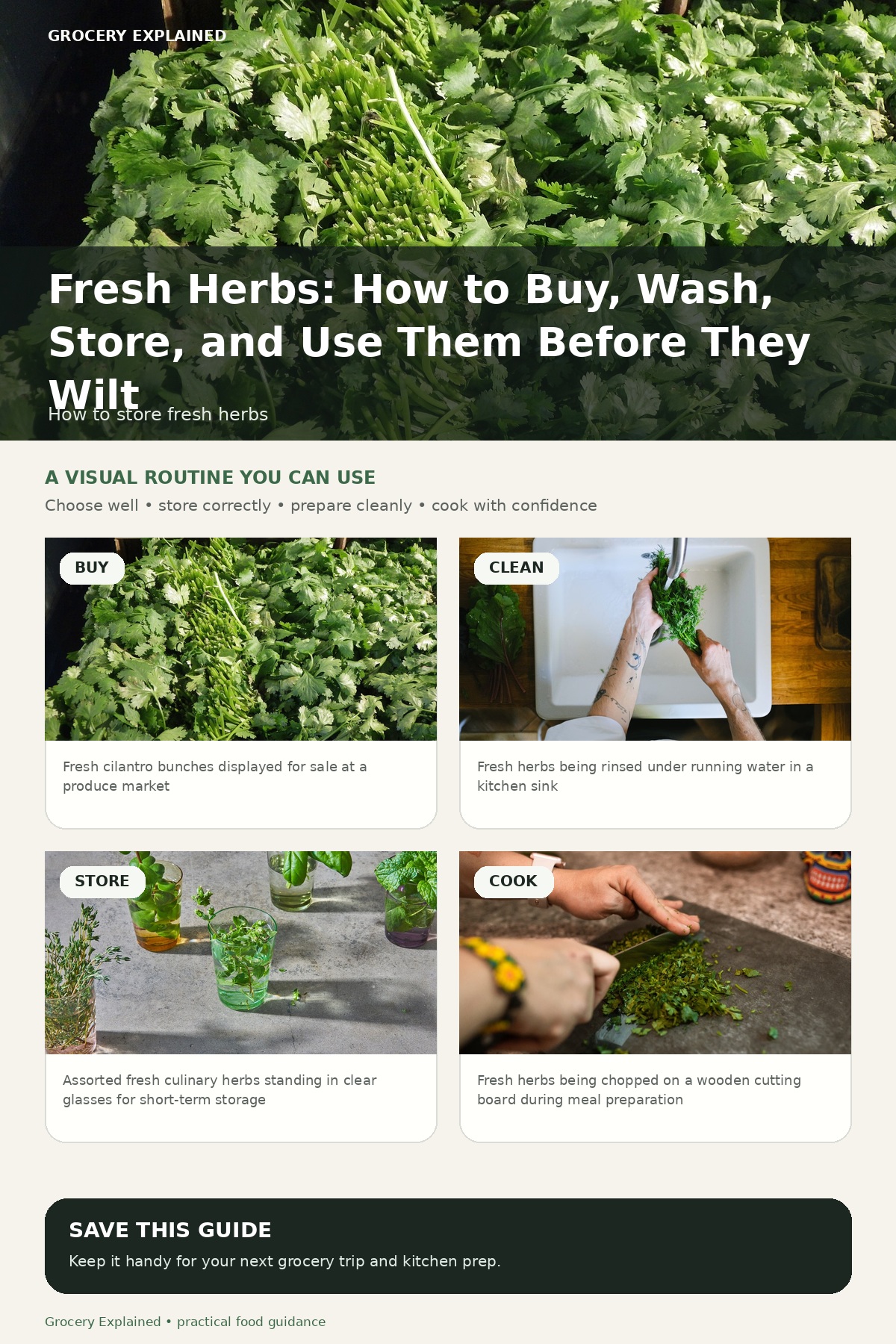
Fresh Herbs: How to Buy, Wash, Store, and Use Them Before They Wilt

Fresh herbs can make a simple meal taste finished, but they are also easy to forget in the back of the refrigerator. A bunch of cilantro or parsley may look perfect at the store and then turn limp, slimy, or dry before you have used half of it.

The solution is not one complicated storage trick. It is a short routine: buy herbs that are genuinely fresh, keep excess moisture under control, give cut stems access to water when that makes sense, refrigerate perishable herbs properly, and freeze extras before they become waste.

How to choose fresh herbs at the store

Start by looking at the leaves and stems rather than the size of the bunch. Good herbs should look lively and aromatic, with leaves that are mostly green and intact. A few imperfect leaves are normal, but widespread yellowing, black spots, mushy stems, or a sour smell are signs to choose another bunch.

For cilantro, parsley, dill, and mint, look for stems that are still firm enough to stand rather than collapsing into a wet mass. For sturdier herbs such as rosemary and thyme, look for flexible sprigs with plenty of attached leaves rather than dry, brittle stems.

If you know you will only use a small amount, the cheapest bunch is not always the best value. A smaller package that you actually finish can cost less than throwing away half of a larger bunch.

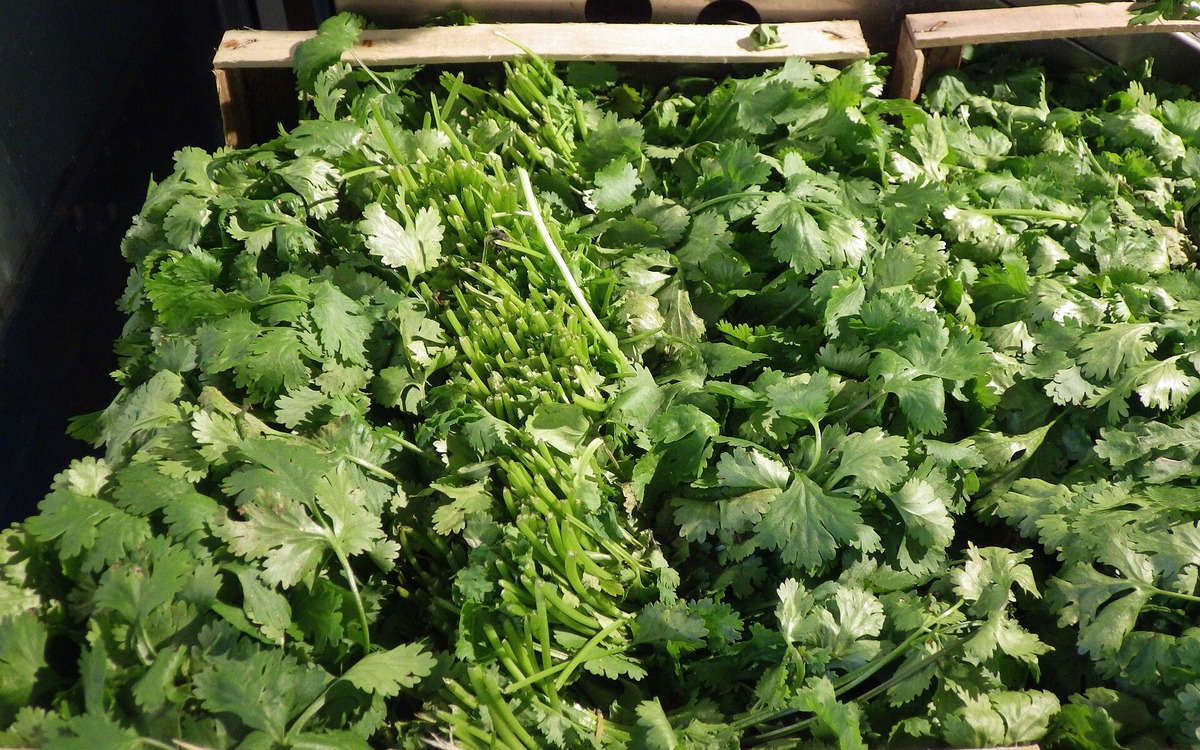
Fresh cilantro bunches displayed for sale at a produce market

Wash herbs with plain running water

Fresh herbs are produce, and they should be handled like other fresh fruits and vegetables. The FDA recommends washing produce thoroughly under running water before preparing or eating it. Soap, detergent, bleach, and commercial produce washes are not recommended for washing fruits and vegetables.

For a small bunch, hold the herbs under cool running water and gently move the leaves so water reaches between them. Remove any damaged or decaying leaves as you go. Then shake off the water and dry the herbs with a clean towel, paper towel, or salad spinner.

If you wash herbs before storing them, dry them especially well. Trapped surface water can leave the bunch soggy and makes storage less pleasant. Another simple option is to store the bunch as purchased and wash only the amount you need right before cooking.

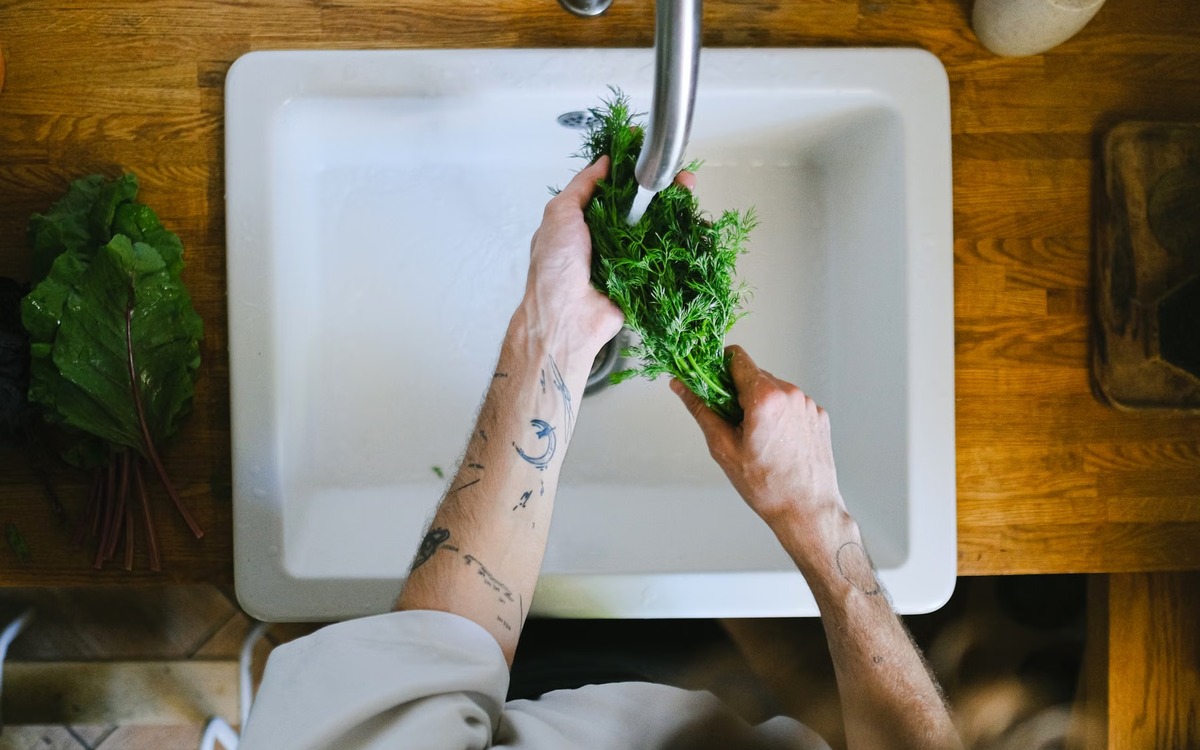
Fresh herbs being rinsed under running water in a kitchen sink

The jar-of-water method works well for many tender herbs

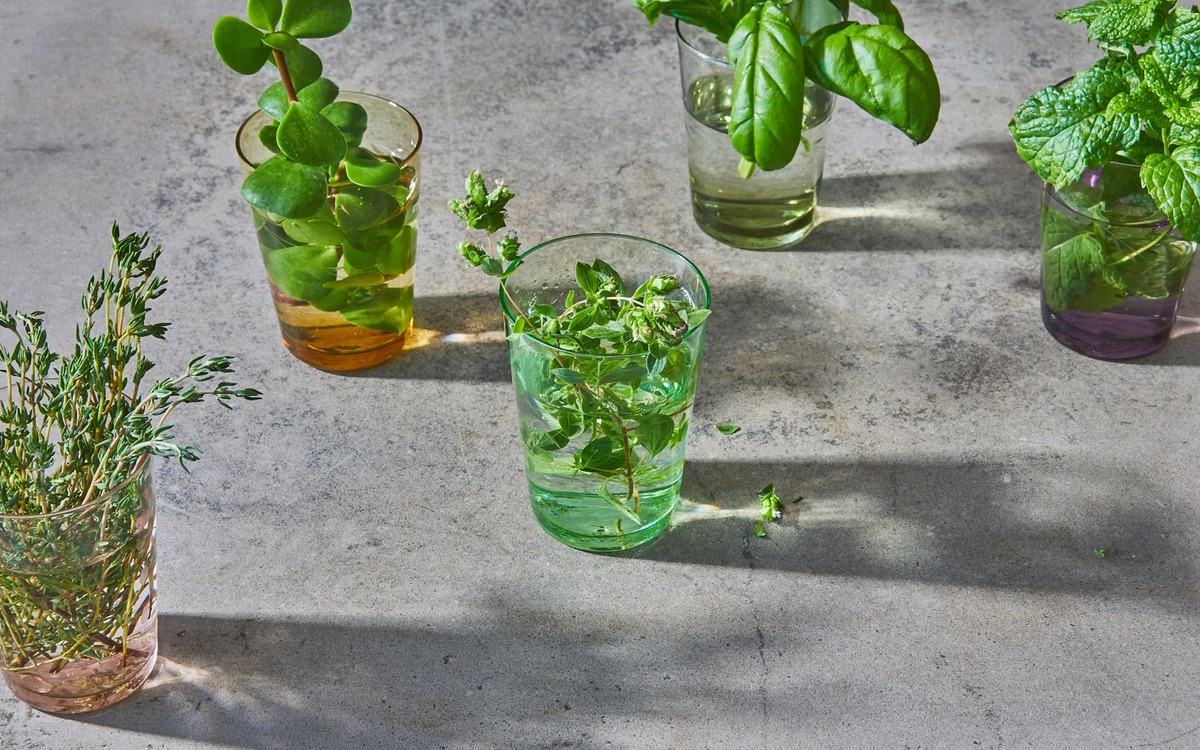
Cilantro, parsley, dill, and mint often store well when treated a little like cut flowers. Illinois Extension recommends trimming the stem ends, standing the herbs in a tall glass with about an inch of water, loosely covering them, refrigerating them, and changing the water when it becomes cloudy.

You do not need to submerge the leaves. Only the lower stems should sit in the water. If leaves are packed tightly against wet glass, remove a few or reposition the bunch so air can circulate.

For refrigerator space, a sturdy deli container or short jar can work just as well as a drinking glass. The goal is simply to keep the stems hydrated without soaking the leaves.

Assorted fresh culinary herbs standing in clear glasses for short-term storage

A damp paper towel is the easiest low-space method

If jars are inconvenient, another Extension-recommended approach is to wrap herbs in a slightly damp paper towel and place them in an open or loosely closed food-safe bag in the refrigerator. This is especially practical for flatter or sturdier herbs such as rosemary, thyme, chives, and oregano.

The towel should be damp, not dripping. If it becomes saturated or the herbs start to feel wet, replace it with a fresh one. If the towel becomes completely dry and the leaves begin to dehydrate, lightly dampen it again.

Basil deserves separate treatment

Basil can be more sensitive to cold than many other culinary herbs. Penn State Extension notes that cut basil stems can be kept for a few days in a glass of water at room temperature; it also describes refrigerated storage in a plastic bag with a paper towel as an option for longer storage.

In a typical home kitchen, a small bunch you plan to use quickly can sit stem-down in clean water away from direct sun and heat. If you prefer refrigeration, protect the leaves from excess moisture and use them promptly if you notice darkening.

Keep perishable herbs properly refrigerated

For food safety, the FDA advises storing perishable vegetables such as fresh herbs in a clean refrigerator at 40°F (4°C) or below. Keep herbs away from raw meat, poultry, seafood, and their juices so foods that may be eaten raw are not exposed to cross-contamination.

Do not rely on a specific number of days as a guarantee of freshness. Different herbs, packaging, harvest age, and refrigerator conditions can change how long a bunch stays usable. Check the actual herbs each time you use them.

Know the difference between wilted and spoiled

A slightly limp herb is usually a quality problem, not automatically a safety problem. You may still be able to use it in a cooked dish, sauce, soup, or pesto-style preparation if it otherwise looks and smells normal.

Discard herbs that are visibly rotten, heavily slimy, moldy, or have a strong off odor. The FDA also recommends cutting away damaged or bruised areas of fresh produce and discarding produce that looks rotten.

Use delicate and hardy herbs differently when cooking

Fresh herbs do not all behave the same way in heat. Illinois Extension recommends adding delicate herbs such as basil, cilantro, dill, parsley, and marjoram near the end of cooking so more of their fresh aroma remains. Hardier herbs such as rosemary, thyme, and tarragon can usually go into a dish earlier.

A useful habit is to divide a bunch when you bring it home: reserve a small amount for garnishing or salads and plan the rest for cooked meals. That makes it easier to use the whole bunch instead of saving everything for one perfect recipe.

Fresh herbs being chopped on a wooden cutting board during meal preparation

Easy ways to use a bunch before it fades

  • Parsley: stir into grain bowls, soups, eggs, potato dishes, or lemony yogurt sauce.
  • Cilantro: add to tacos, beans, rice, salsa, curries, or noodle bowls.
  • Basil: tear over tomatoes, pasta, pizza, eggs, or sandwiches; blend extras into pesto.
  • Dill: use with potatoes, cucumbers, eggs, fish, yogurt, or simple salads.
  • Mint: add to fruit, yogurt, grain salads, iced tea, or savory sauces.
  • Rosemary and thyme: use in roasted vegetables, beans, chicken, soups, and pan sauces.

Freeze the extras before they become waste

If you can tell you will not finish a bunch, freezing is a useful rescue plan. Penn State Extension notes that herbs such as parsley, dill, basil, chives, mint, and tarragon can be frozen. Their texture will soften after thawing, so frozen herbs are usually better for cooked dishes than for garnish.

You can freeze clean, well-dried leaves in a freezer-safe container, or chop them and freeze small portions with water for soups and sauces. Illinois Extension also describes freezing chopped herbs in ice cube trays with water or oil. If you use oil, save those cubes for cooked dishes and keep them frozen until needed.

A simple routine that prevents most herb waste

  1. Buy the freshest bunch you can realistically finish.
  2. Remove obviously damaged leaves.
  3. Use a jar of water for many tender stemmed herbs or a lightly damp towel for compact storage.
  4. Keep perishable herbs refrigerated at 40°F (4°C) or below unless the herb has a specific room-temperature storage recommendation, such as short-term cut basil.
  5. Wash under plain running water before preparing or eating.
  6. Plan two or three meals around the bunch instead of one.
  7. Freeze what remains while it is still in good condition.

Bottom line

Fresh herbs last longer when you match the storage method to the herb rather than stuffing every bunch into the same plastic bag. Keep tender stems hydrated, keep leaves from sitting wet, refrigerate perishable herbs properly, wash them under running water before use, and freeze extras while they are still worth saving.

That routine is simple enough to use every week—and it makes cilantro, parsley, basil, dill, mint, rosemary, and thyme much easier to buy without expecting half the bunch to end up in the trash.

Fresh herb storage guide summarizing buying, washing, refrigeration, storage methods, and freezing

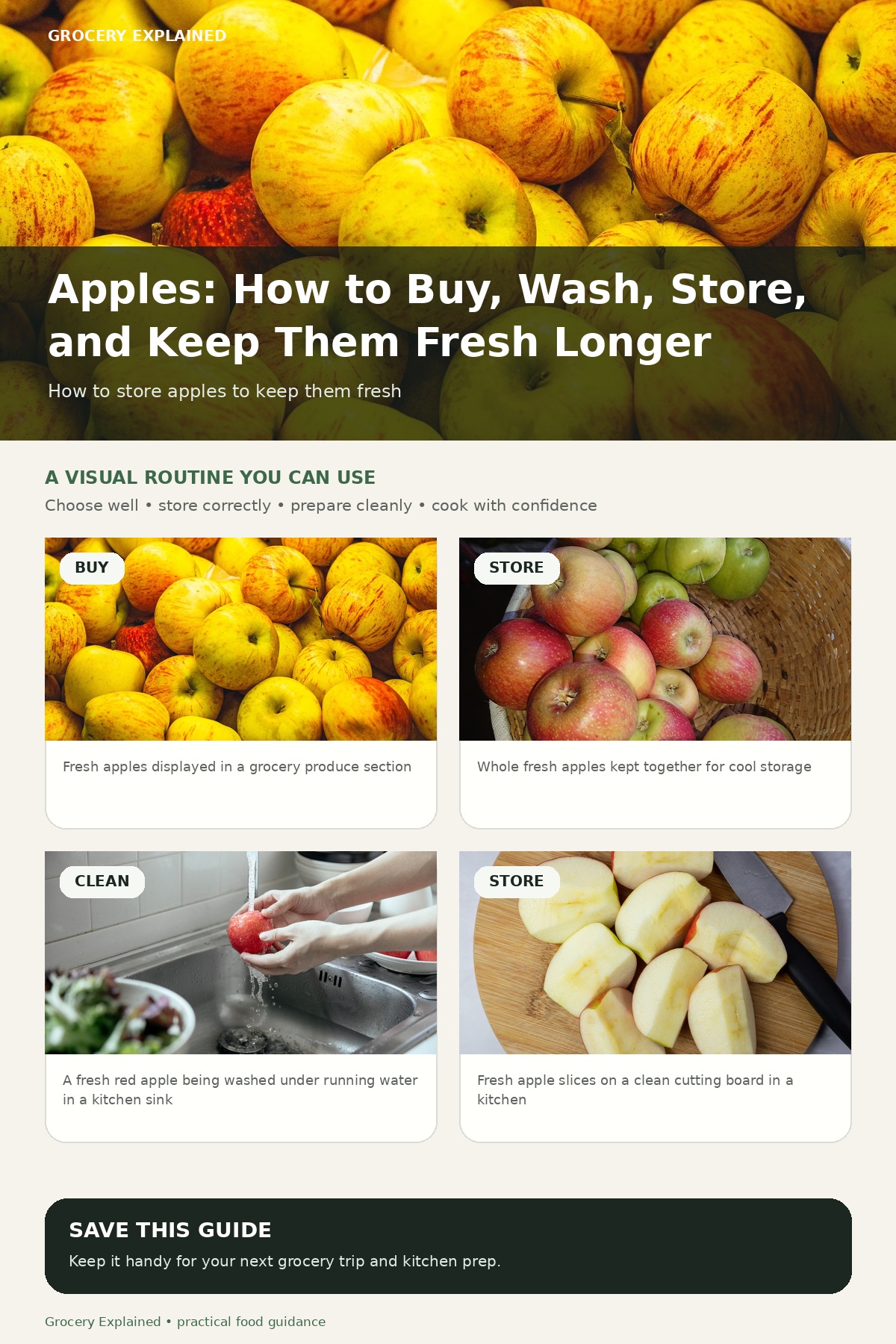
Apples: How to Buy, Wash, Store, and Keep Them Fresh Longer

Apples are easy to buy in bulk, but how long they stay crisp depends on what you choose at the store and what you do after you bring them home. A simple routine helps: buy sound fruit, refrigerate apples you want to keep longer, wash them under running water before eating or cutting, and keep cut apples cold.

Choose firm apples without major damage

Start with condition. FDA produce guidance recommends choosing fruits and vegetables that are not bruised or damaged. For apples, look for fruit that feels firm for its variety and has intact skin without deep cuts, leaking areas, obvious mold, or large soft spots.

A small cosmetic mark is not automatically a reason to discard an apple, but heavily bruised or decayed fruit is a poor choice for storage because damaged tissue breaks down faster. Handle apples gently on the way home as well; bruising can happen after purchase if a heavy grocery bag is dropped or packed tightly.

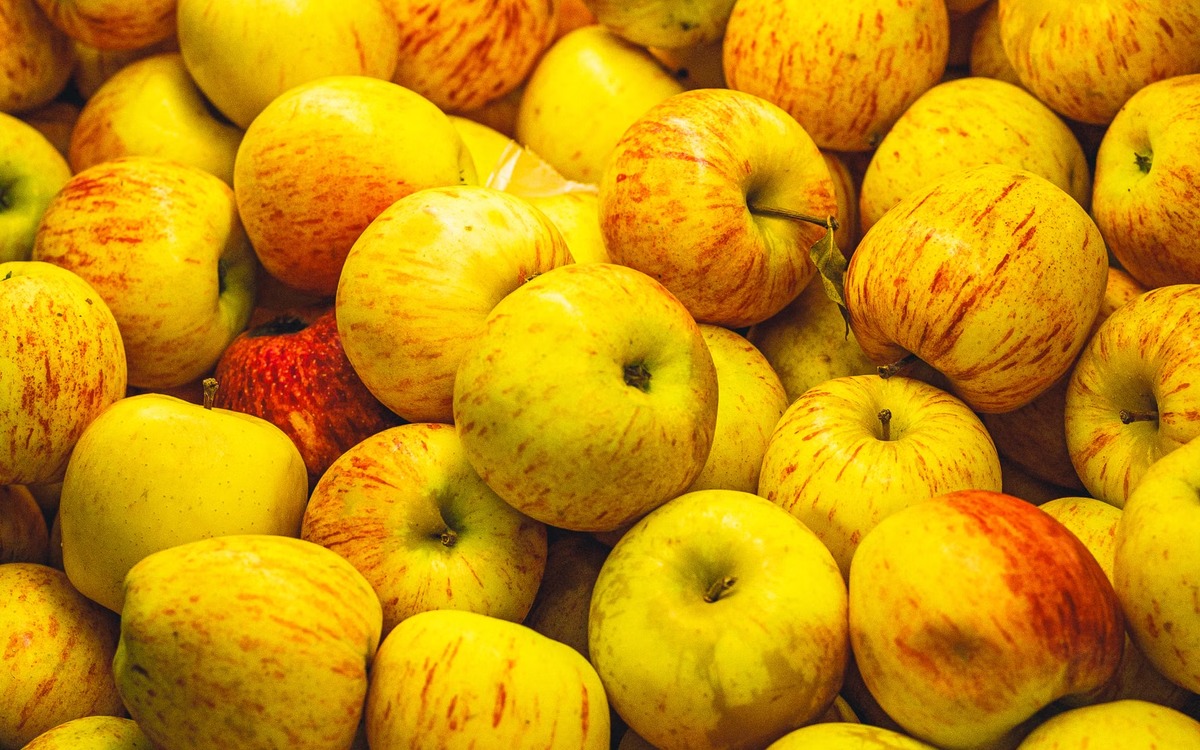
Fresh apples displayed in a grocery produce section

Use the refrigerator when you want apples to last

If you will eat your apples within a few days, room-temperature storage can be convenient. For a longer holding period, refrigeration is the better default. Oregon State University Extension notes that whole apples can be kept at room temperature for a few days and can stay in a refrigerator crisper drawer or open bag for up to about six weeks, depending on the fruit and storage conditions.

Cold storage slows the quality changes that make apples soften. Keep them in a clean crisper drawer or a loosely vented bag rather than trapping excess moisture around damaged fruit. Check the batch periodically and use any apple that is becoming soft or bruised before the rest.

Do not treat a storage time as a guarantee. Variety, ripeness when purchased, prior handling, and refrigerator conditions all affect quality. If an apple develops mold, leaking decay, or an unpleasant rotten odor, discard it.

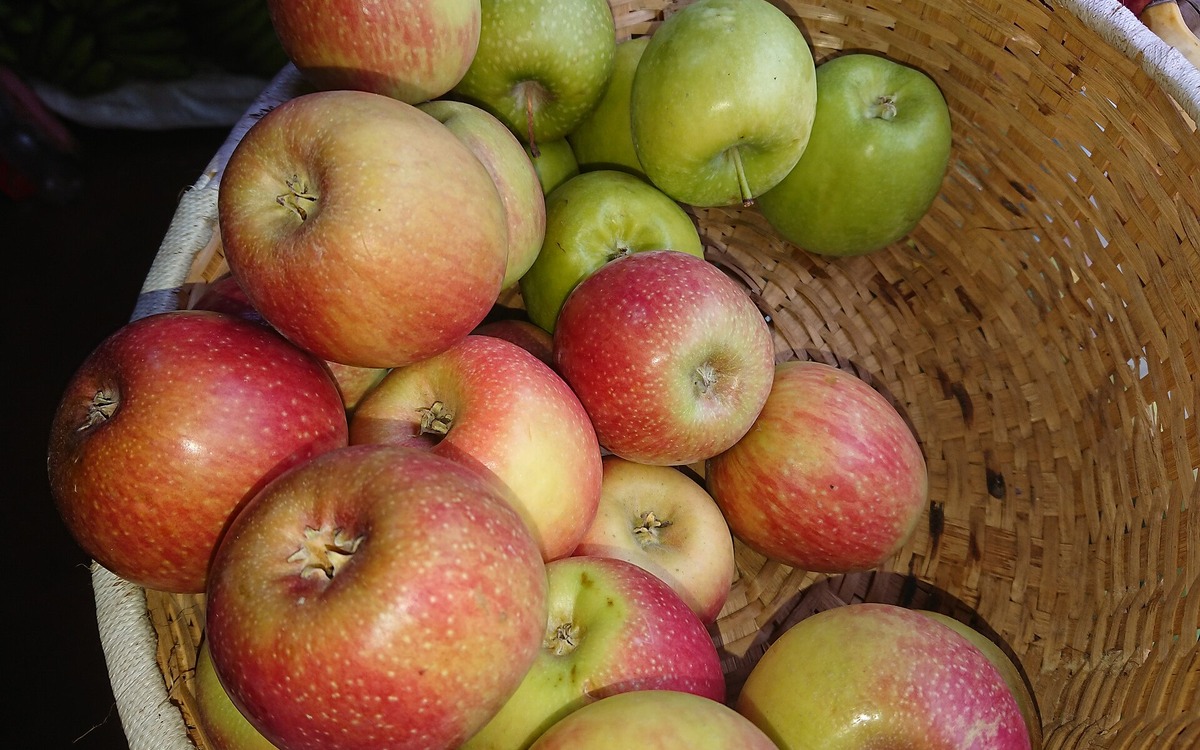
Whole fresh apples kept together for cool storage

Wash apples under running water before eating or cutting

FDA guidance recommends washing fresh produce thoroughly under plain running water before preparing or eating it. Hold the apple under the tap and gently rub the surface with your hands. You do not need soap, detergent, bleach, or a commercial produce wash.

Wash the apple even if you plan to peel it. Dirt or bacteria on the peel can be transferred to the flesh by a knife or peeler. After rinsing, dry the apple with a clean cloth or paper towel.

For day-to-day quality, it is usually simpler to wash apples shortly before you use them rather than washing the entire bag and putting wet fruit back into storage. The important safety step is that the apple is properly rinsed before eating or cutting.

A fresh red apple being washed under running water in a kitchen sink

Refrigerate cut apples

Once an apple is peeled or cut, refrigerate it in a clean covered container. FoodSafety.gov recommends refrigerating peeled or cut produce, and the same general safe-handling principle applies when sliced apples are prepared ahead for snacks, lunches, or recipes.

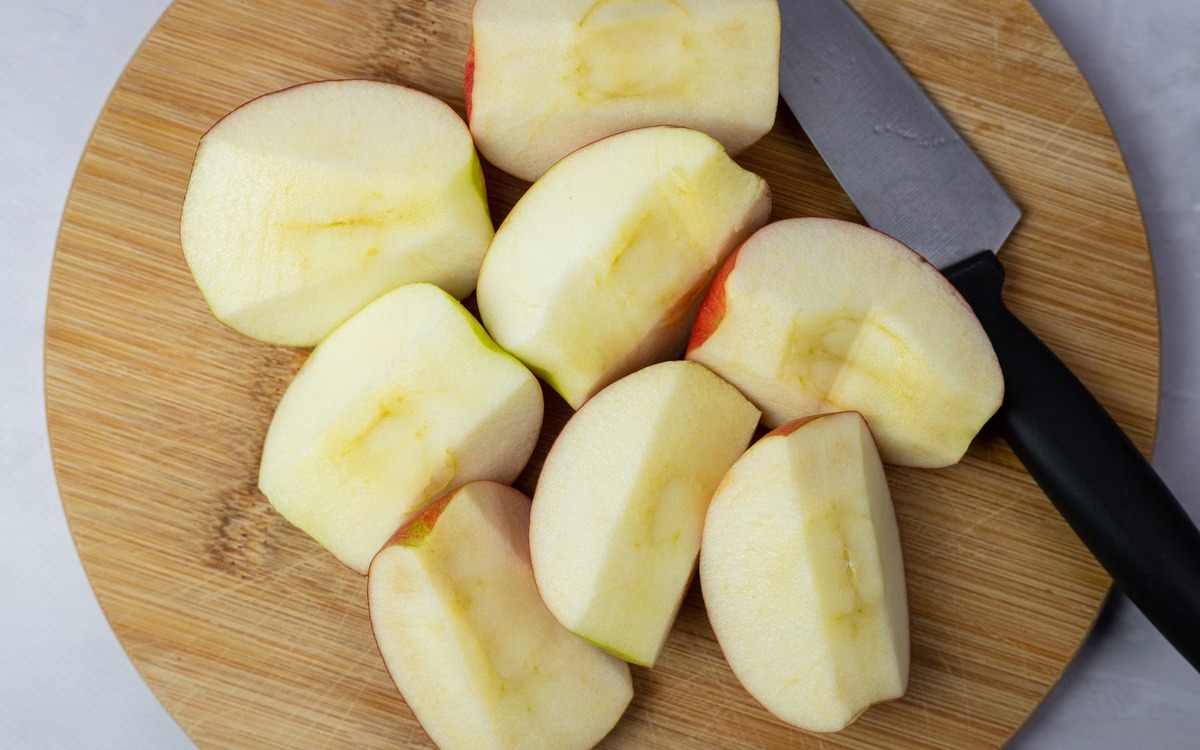
Cut apple surfaces turn brown because of oxidation. Browning by itself is a quality change rather than proof that the apple is unsafe. Oregon State University Extension suggests dipping cut pieces in lemon or orange juice and refrigerating them in a covered container when you want to slow visible browning for a few hours.

Use clean knives and cutting boards, especially if the same kitchen area is also used for raw meat, poultry, seafood, or eggs. FDA guidance recommends keeping produce separate from raw animal foods and washing utensils and surfaces between tasks.

Fresh apple slices on a clean cutting board in a kitchen

Do not confuse softness with immediate spoilage

An apple that has lost some crispness is not automatically unusable. Slightly soft or shriveled apples can still work well in oatmeal, baked dishes, applesauce, or other cooked recipes as long as they do not show mold or active decay.

That is an easy way to reduce waste: keep the crispest apples for eating out of hand and move the softer ones into cooking. Check stored apples regularly rather than discovering the whole bag after one damaged fruit has deteriorated.

Keep apples away from contamination in the kitchen

Fresh apples are often eaten raw, so the cleanliness of hands, knives, cutting boards, and counters matters. Wash hands with soap and warm water before food preparation, and do not place washed or cut apples on a surface that has just held raw meat or poultry.

If you pack apple slices for later, use a clean container and keep them refrigerated until needed. The goal is not a complicated sanitation routine; it is simply to avoid moving contaminants from raw foods or dirty surfaces onto fruit that will be eaten without a cooking step.

A simple apple routine

At the store, choose firm apples with intact skin and minimal bruising. At home, leave only the amount you expect to eat soon at room temperature and refrigerate the rest if you want them to remain crisp longer. Wash apples under running water just before eating or cutting, and refrigerate sliced fruit in a clean covered container.

Those few habits solve most everyday apple-storage problems: less bruising, less waste, cleaner preparation, and more time to use the fruit while it still tastes the way you bought it.

Apple guide summary covering shopping, refrigeration, washing, and cut-fruit storage

Yogurt: How to Choose, Store, and Use It Safely

Yogurt can be a quick breakfast, a snack, or a useful ingredient in sauces and dressings, but the dairy case can make a simple purchase fe...