Leafy greens are one of the easiest foods to add to salads, sandwiches, bowls, and quick meals, but they are also usually eaten raw. That makes the routine around buying, refrigeration, washing, and kitchen separation especially important. The goal is simple: choose greens in good condition, keep them cold, wash them correctly when needed, and avoid moving germs from raw foods onto leaves that will not be cooked.
Choose greens that are fresh and properly chilled
Start with condition and temperature. FDA guidance recommends choosing produce that is not bruised or damaged. For pre-cut, bagged, or packaged greens, buy them only when they are refrigerated or surrounded by ice.
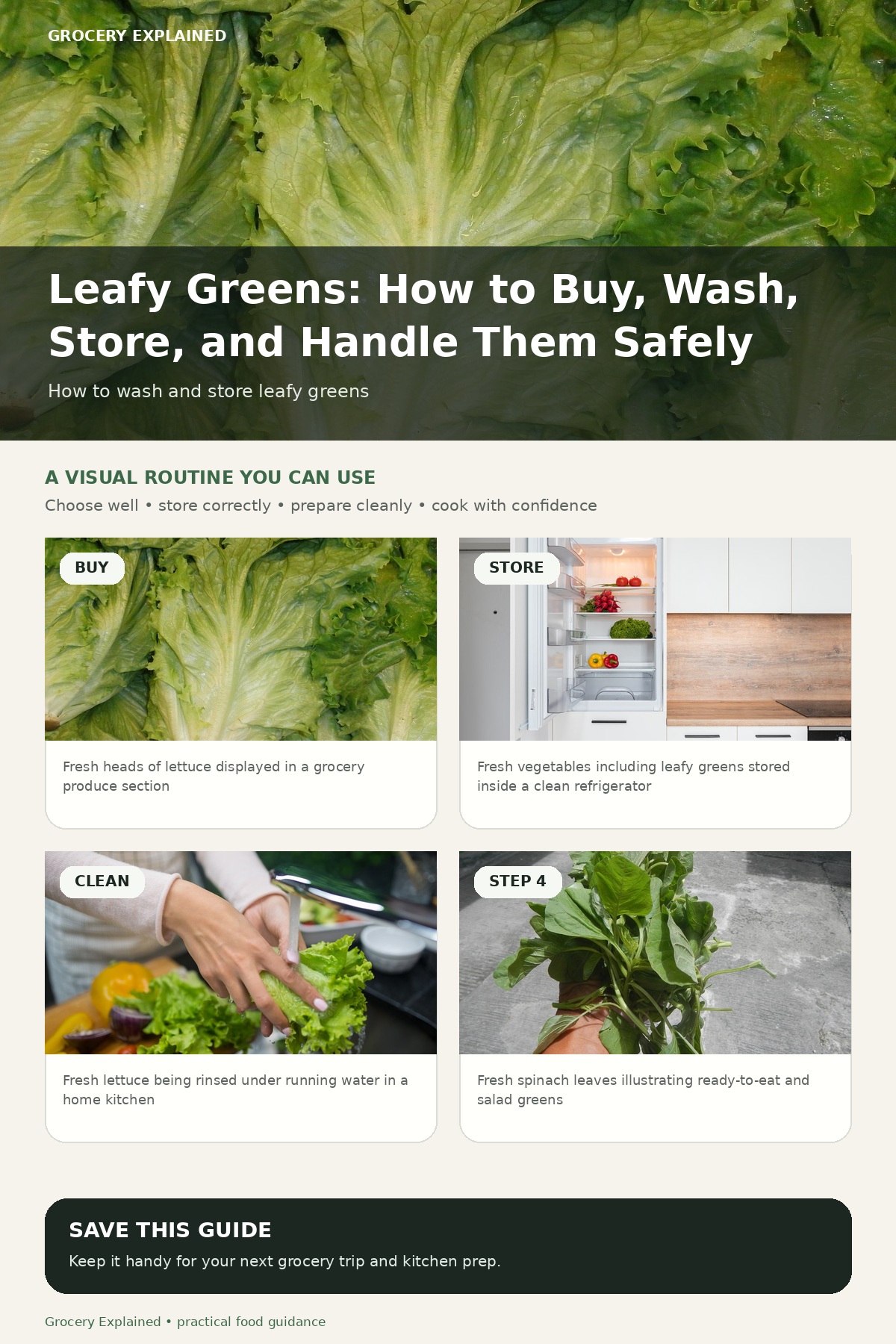
For whole heads and loose greens, look for crisp leaves with the color and texture you expect for that variety. Skip produce with obvious rot, slimy patches, or badly damaged leaves. When you pack your cart or grocery bags, keep fresh produce separate from raw meat, poultry, and seafood so leaking juices cannot contaminate it on the way home.
Refrigerate leafy greens promptly
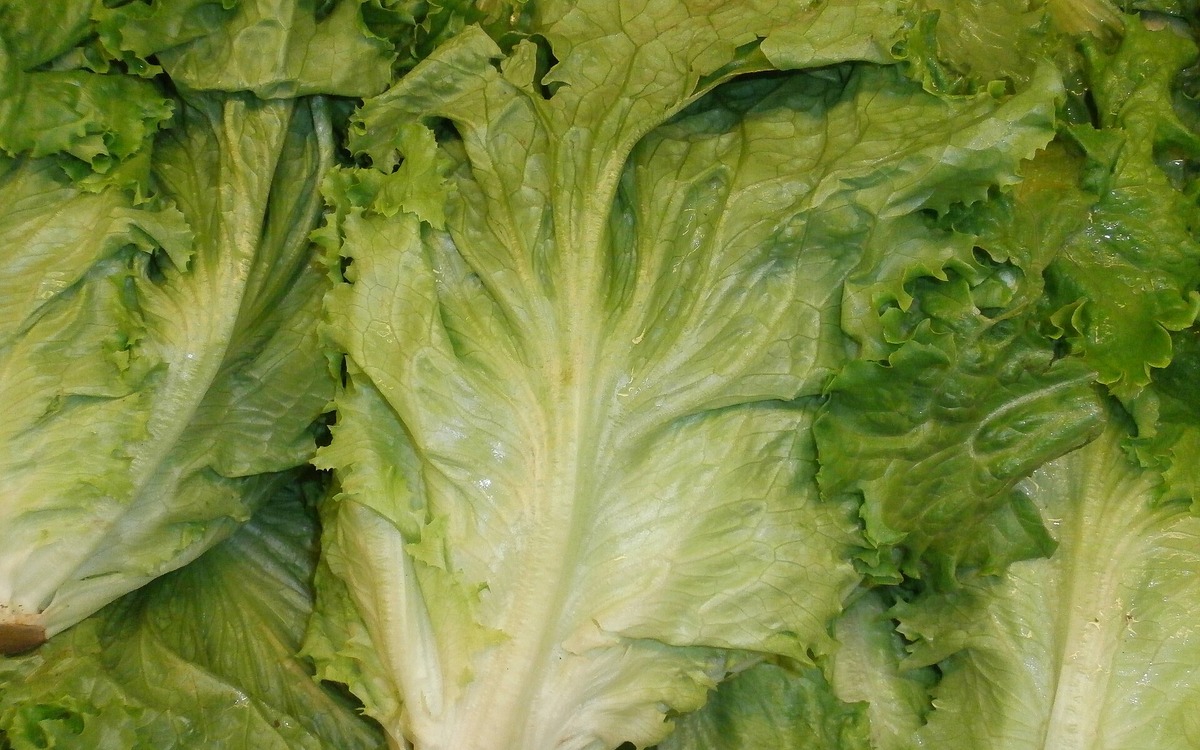
Leafy greens are perishable produce. The FDA recommends keeping perishable fresh fruits and vegetables in a clean refrigerator at 40°F (4°C) or below, and all pre-cut or packaged produce should be refrigerated.
Put greens away soon after shopping rather than leaving them in a warm car or on the counter. CDC guidance for leafy greens says to refrigerate them within two hours, or within one hour when they have been exposed to temperatures above 90°F (32°C).
Keep greens away from raw meat, poultry, seafood, and their juices inside the refrigerator as well. A clean produce drawer or a protected shelf area helps maintain that separation.
Wash unwashed greens under running water
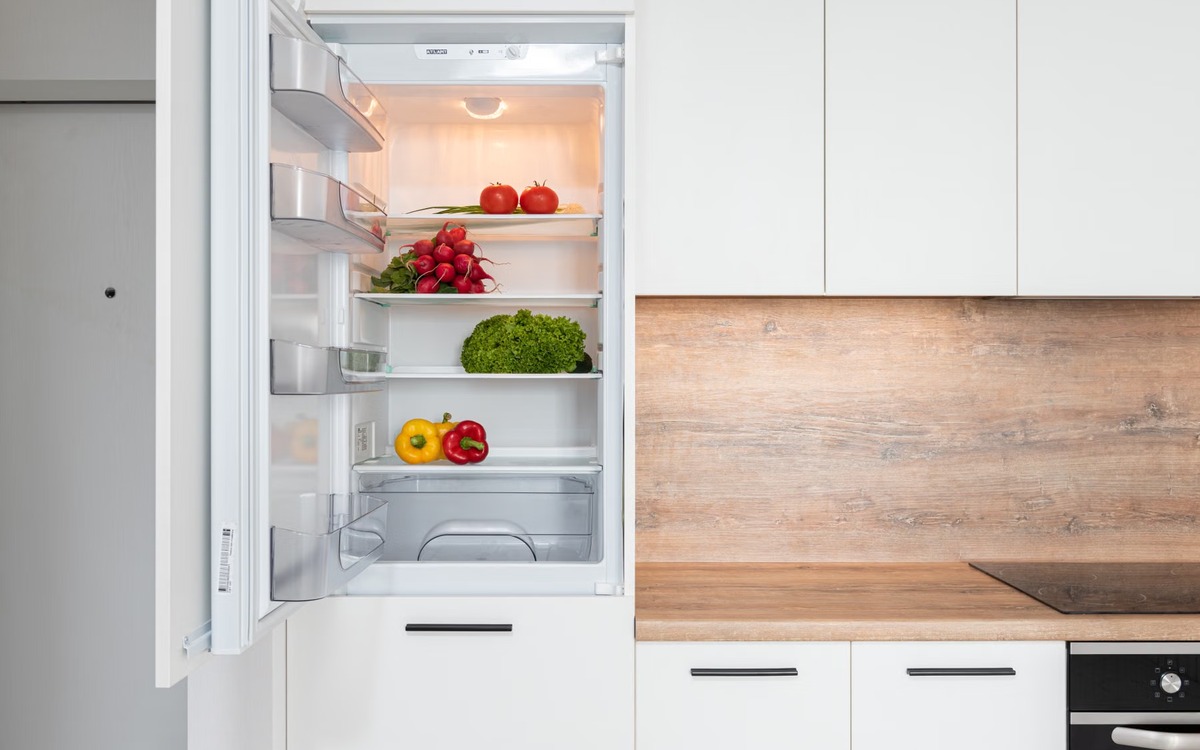
Before preparing fresh leafy greens that are not labeled ready-to-eat, start with clean hands and a clean sink area. Rinse the leaves under plain running water and gently rub their surfaces with your hands. Remove damaged outer leaves from whole heads and discard torn, bruised, or rotten portions.
Do not use soap, detergent, or commercial produce wash. FDA guidance says plain running water is the appropriate method for fresh produce. Washing can reduce dirt and some bacteria, but it cannot remove every germ.
Avoid soaking greens in a sink or bowl of standing water as your main washing method. Water in the sink can become contaminated and can spread contamination between leaves. After rinsing, dry the greens with a clean cloth or paper towel, or use a clean salad spinner.
Do not automatically rewash ready-to-eat packaged greens
If a package says ready to eat, triple washed, or no washing necessary, FDA and CDC guidance says you can use the greens without washing them again. Rewashing is not automatically safer, especially if the sink, colander, hands, or countertop introduce new contamination.
If you decide to wash a ready-to-eat product anyway, make sure the sink, utensils, and surfaces are clean first. Keep the leaves away from anything that has touched raw meat, poultry, seafood, or eggs.
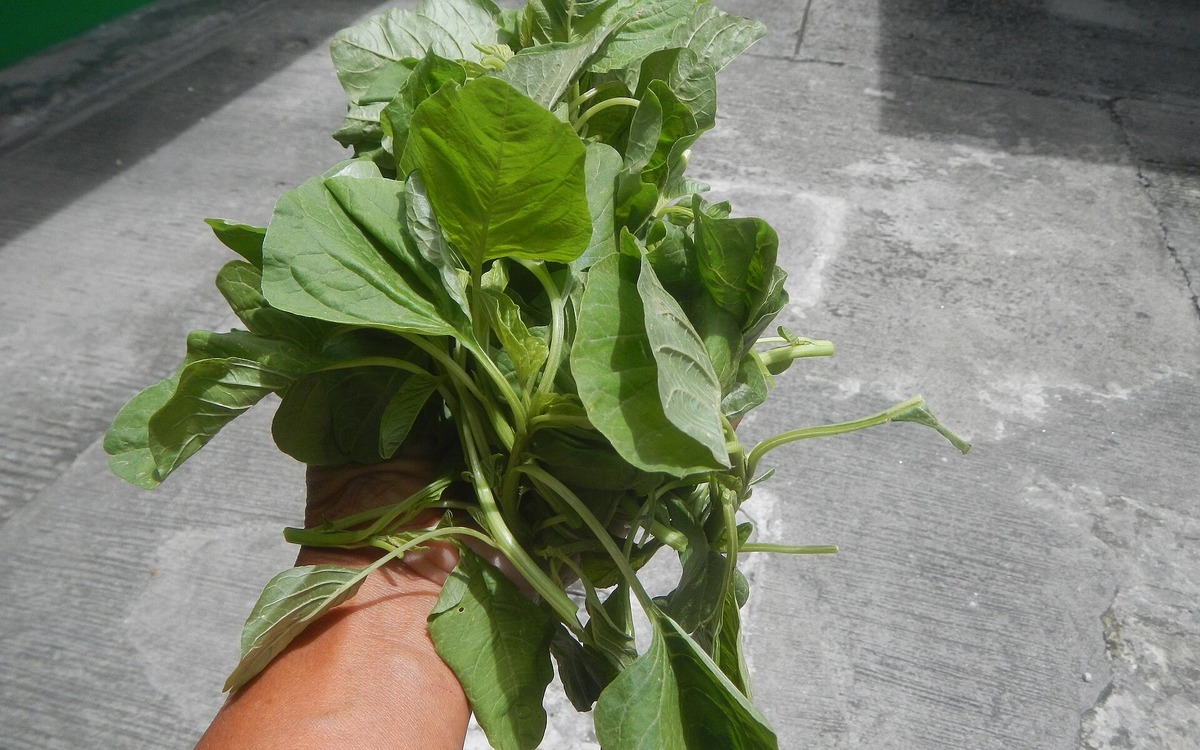
Keep raw-food germs away from salad ingredients
Leafy greens are often served without a cooking step, so cross-contamination matters. Wash cutting boards, knives, dishes, and countertops with hot soapy water after preparing raw meat, poultry, or seafood and before using them for greens or other ready-to-eat foods.
If possible, use a separate cutting board for fresh produce. Wash your hands with soap and water for at least 20 seconds before and after food preparation, especially after touching raw animal foods.
Know what washing can and cannot do
Washing is useful, but it is not sterilization. CDC notes that no washing method can remove every germ from leafy greens. That is why safe handling is a combination of several small steps: buying produce in good condition, maintaining refrigeration, cleaning when appropriate, and preventing cross-contamination.
If leafy greens are part of a recall, washing them does not make the recalled product safe to eat. Follow the recall instructions and discard or return the product as directed.
A simple leafy-greens routine
At the store, choose undamaged greens and keep packaged or pre-cut products cold. At home, refrigerate them promptly at 40°F or below and separate them from raw animal foods. Wash unwashed leaves under running water without soap, then dry them with clean materials. If the package is clearly labeled ready-to-eat or triple washed, you do not need to wash it again.
Those habits do more than protect food safety: they also make salad prep easier because your refrigerator, washing routine, and cutting surfaces are already set up for the way the greens will actually be eaten.