Fresh herbs can make a simple meal taste finished, but they are also easy to forget in the back of the refrigerator. A bunch of cilantro or parsley may look perfect at the store and then turn limp, slimy, or dry before you have used half of it.
The solution is not one complicated storage trick. It is a short routine: buy herbs that are genuinely fresh, keep excess moisture under control, give cut stems access to water when that makes sense, refrigerate perishable herbs properly, and freeze extras before they become waste.
How to choose fresh herbs at the store
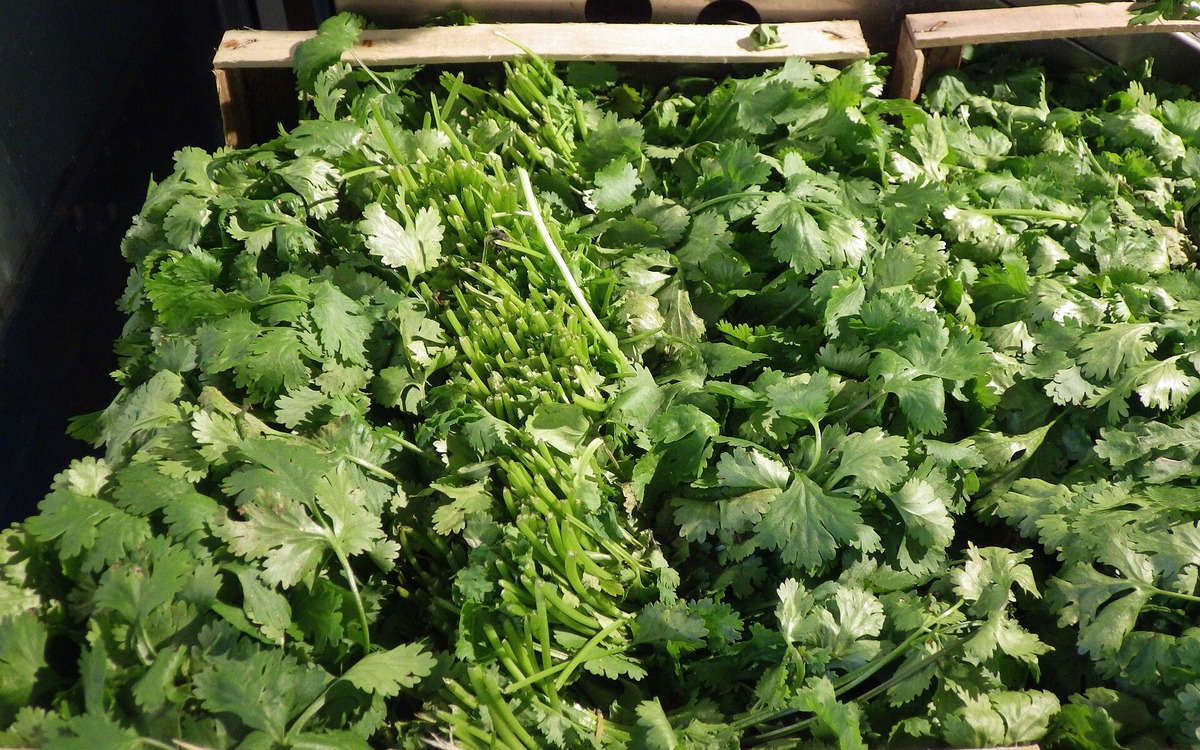
Start by looking at the leaves and stems rather than the size of the bunch. Good herbs should look lively and aromatic, with leaves that are mostly green and intact. A few imperfect leaves are normal, but widespread yellowing, black spots, mushy stems, or a sour smell are signs to choose another bunch.
For cilantro, parsley, dill, and mint, look for stems that are still firm enough to stand rather than collapsing into a wet mass. For sturdier herbs such as rosemary and thyme, look for flexible sprigs with plenty of attached leaves rather than dry, brittle stems.
If you know you will only use a small amount, the cheapest bunch is not always the best value. A smaller package that you actually finish can cost less than throwing away half of a larger bunch.
Wash herbs with plain running water
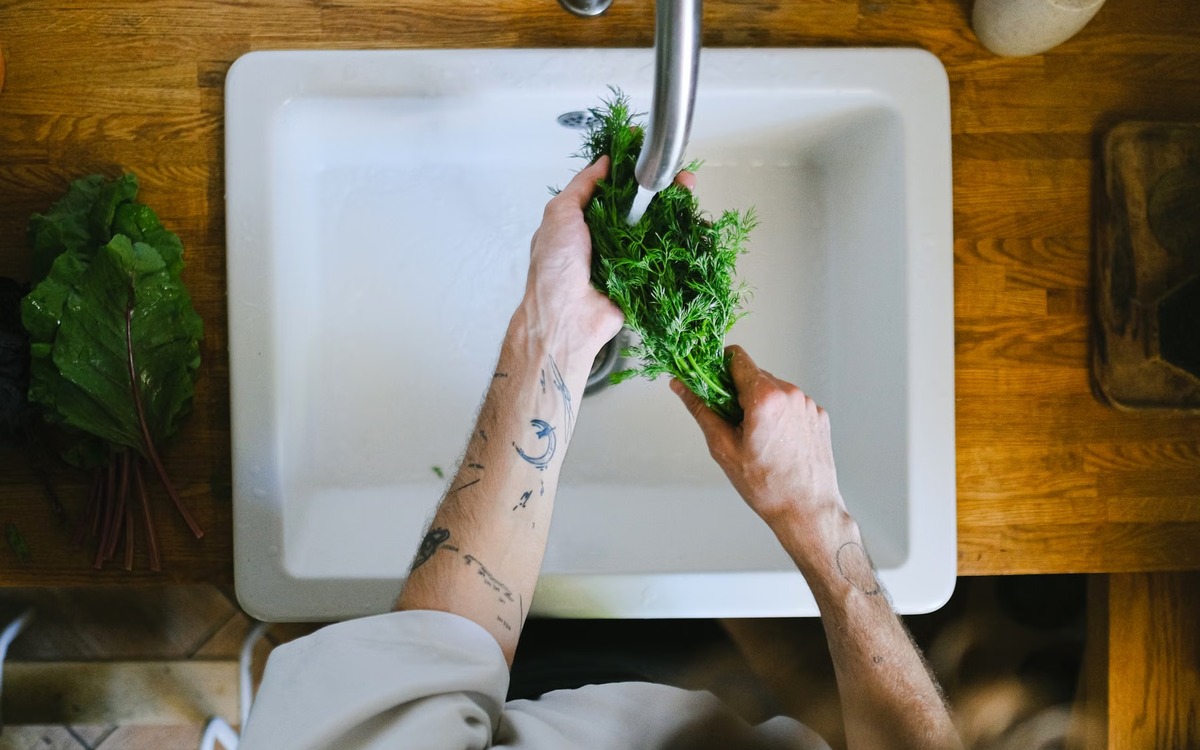
Fresh herbs are produce, and they should be handled like other fresh fruits and vegetables. The FDA recommends washing produce thoroughly under running water before preparing or eating it. Soap, detergent, bleach, and commercial produce washes are not recommended for washing fruits and vegetables.
For a small bunch, hold the herbs under cool running water and gently move the leaves so water reaches between them. Remove any damaged or decaying leaves as you go. Then shake off the water and dry the herbs with a clean towel, paper towel, or salad spinner.
If you wash herbs before storing them, dry them especially well. Trapped surface water can leave the bunch soggy and makes storage less pleasant. Another simple option is to store the bunch as purchased and wash only the amount you need right before cooking.
The jar-of-water method works well for many tender herbs
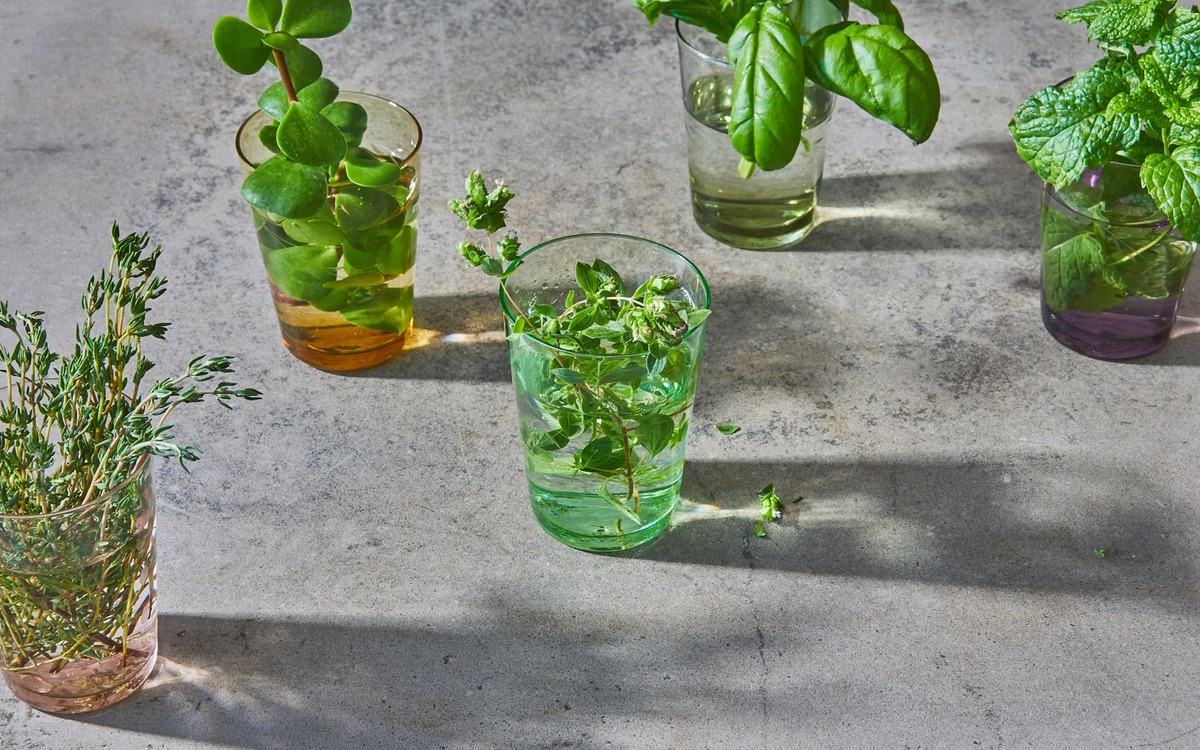
Cilantro, parsley, dill, and mint often store well when treated a little like cut flowers. Illinois Extension recommends trimming the stem ends, standing the herbs in a tall glass with about an inch of water, loosely covering them, refrigerating them, and changing the water when it becomes cloudy.
You do not need to submerge the leaves. Only the lower stems should sit in the water. If leaves are packed tightly against wet glass, remove a few or reposition the bunch so air can circulate.
For refrigerator space, a sturdy deli container or short jar can work just as well as a drinking glass. The goal is simply to keep the stems hydrated without soaking the leaves.
A damp paper towel is the easiest low-space method
If jars are inconvenient, another Extension-recommended approach is to wrap herbs in a slightly damp paper towel and place them in an open or loosely closed food-safe bag in the refrigerator. This is especially practical for flatter or sturdier herbs such as rosemary, thyme, chives, and oregano.
The towel should be damp, not dripping. If it becomes saturated or the herbs start to feel wet, replace it with a fresh one. If the towel becomes completely dry and the leaves begin to dehydrate, lightly dampen it again.
Basil deserves separate treatment
Basil can be more sensitive to cold than many other culinary herbs. Penn State Extension notes that cut basil stems can be kept for a few days in a glass of water at room temperature; it also describes refrigerated storage in a plastic bag with a paper towel as an option for longer storage.
In a typical home kitchen, a small bunch you plan to use quickly can sit stem-down in clean water away from direct sun and heat. If you prefer refrigeration, protect the leaves from excess moisture and use them promptly if you notice darkening.
Keep perishable herbs properly refrigerated
For food safety, the FDA advises storing perishable vegetables such as fresh herbs in a clean refrigerator at 40°F (4°C) or below. Keep herbs away from raw meat, poultry, seafood, and their juices so foods that may be eaten raw are not exposed to cross-contamination.
Do not rely on a specific number of days as a guarantee of freshness. Different herbs, packaging, harvest age, and refrigerator conditions can change how long a bunch stays usable. Check the actual herbs each time you use them.
Know the difference between wilted and spoiled
A slightly limp herb is usually a quality problem, not automatically a safety problem. You may still be able to use it in a cooked dish, sauce, soup, or pesto-style preparation if it otherwise looks and smells normal.
Discard herbs that are visibly rotten, heavily slimy, moldy, or have a strong off odor. The FDA also recommends cutting away damaged or bruised areas of fresh produce and discarding produce that looks rotten.
Use delicate and hardy herbs differently when cooking
Fresh herbs do not all behave the same way in heat. Illinois Extension recommends adding delicate herbs such as basil, cilantro, dill, parsley, and marjoram near the end of cooking so more of their fresh aroma remains. Hardier herbs such as rosemary, thyme, and tarragon can usually go into a dish earlier.
A useful habit is to divide a bunch when you bring it home: reserve a small amount for garnishing or salads and plan the rest for cooked meals. That makes it easier to use the whole bunch instead of saving everything for one perfect recipe.

Easy ways to use a bunch before it fades
- Parsley: stir into grain bowls, soups, eggs, potato dishes, or lemony yogurt sauce.
- Cilantro: add to tacos, beans, rice, salsa, curries, or noodle bowls.
- Basil: tear over tomatoes, pasta, pizza, eggs, or sandwiches; blend extras into pesto.
- Dill: use with potatoes, cucumbers, eggs, fish, yogurt, or simple salads.
- Mint: add to fruit, yogurt, grain salads, iced tea, or savory sauces.
- Rosemary and thyme: use in roasted vegetables, beans, chicken, soups, and pan sauces.
Freeze the extras before they become waste
If you can tell you will not finish a bunch, freezing is a useful rescue plan. Penn State Extension notes that herbs such as parsley, dill, basil, chives, mint, and tarragon can be frozen. Their texture will soften after thawing, so frozen herbs are usually better for cooked dishes than for garnish.
You can freeze clean, well-dried leaves in a freezer-safe container, or chop them and freeze small portions with water for soups and sauces. Illinois Extension also describes freezing chopped herbs in ice cube trays with water or oil. If you use oil, save those cubes for cooked dishes and keep them frozen until needed.
A simple routine that prevents most herb waste
- Buy the freshest bunch you can realistically finish.
- Remove obviously damaged leaves.
- Use a jar of water for many tender stemmed herbs or a lightly damp towel for compact storage.
- Keep perishable herbs refrigerated at 40°F (4°C) or below unless the herb has a specific room-temperature storage recommendation, such as short-term cut basil.
- Wash under plain running water before preparing or eating.
- Plan two or three meals around the bunch instead of one.
- Freeze what remains while it is still in good condition.
Bottom line
Fresh herbs last longer when you match the storage method to the herb rather than stuffing every bunch into the same plastic bag. Keep tender stems hydrated, keep leaves from sitting wet, refrigerate perishable herbs properly, wash them under running water before use, and freeze extras while they are still worth saving.
That routine is simple enough to use every week—and it makes cilantro, parsley, basil, dill, mint, rosemary, and thyme much easier to buy without expecting half the bunch to end up in the trash.





No comments:
Post a Comment