Frozen vegetables are one of the easiest ways to keep useful ingredients on hand without worrying about a drawer full of produce going soft before you get to it. They can move straight from the freezer into soups, pasta, rice bowls, stir-fries, omelets, and simple side dishes, which makes them especially helpful on busy nights.
The challenge is not whether frozen vegetables “count.” They do. The real challenge is choosing bags that fit the way you cook and using methods that protect texture instead of turning everything watery or mushy. This guide gives you a simple grocery-store system, better cooking habits, and practical meal ideas that make frozen vegetables easier to use well.
Frozen vegetables are still vegetables
USDA MyPlate includes frozen vegetables in the Vegetable Group alongside fresh, canned, and dried options. That makes frozen vegetables a practical way to add variety when fresh produce is expensive, out of season, or likely to go unused.
They are also convenient because much of the washing, trimming, and chopping has already been done. For a weeknight cook, that can turn “I should make a vegetable” into something that takes only a few minutes.
It is still worth checking the package, though. A plain bag of broccoli florets is different from a frozen vegetable blend packed with cheese sauce, butter, or a salty seasoning mix.
How to choose a good bag at the store
You do not need a premium brand. Start with the vegetables you actually use. Broccoli, peas, corn, spinach, green beans, cauliflower, edamame, and mixed vegetables are all useful, but the best purchase is the one that fits meals you already know how to make.
Then check four things:
- Ingredients: for maximum flexibility, look for a short list that is mostly or entirely vegetables.
- Added sauces or seasonings: these can be convenient, but they reduce your control over flavor and sodium. FDA guidance specifically suggests frozen vegetables without sauce or seasoning for people trying to reduce sodium.
- Cut size: smaller pieces cook faster; larger florets or chunks usually hold their texture better in roasting or high-heat cooking.
- Bag condition: choose a package that is sealed and fully frozen, and avoid bags that are badly torn or damaged.
Do not assume every frozen vegetable is ready to eat
One useful food-safety habit is simply reading the cooking directions. FoodSafety.gov notes that some frozen foods are not fully cooked during processing and may be labeled as raw or not ready to eat. Frozen vegetable packages can also include specific cooking instructions.
That means the safest approach is not to guess based on appearance. Follow the package directions, especially when a product says it must be cooked before eating.
If the package says to cook from frozen, there is usually no reason to thaw it first. Thawing can also release extra water, which may make some vegetables softer by the time they reach the pan.
The biggest texture mistake: too much water
Frozen vegetables naturally release moisture as they heat. If you crowd a cool pan or cook them slowly in a large amount of water, they are more likely to steam until soft.
For vegetables where you want browning or firmer edges, use a wide pan, let it get properly hot, and avoid piling the vegetables into a thick layer. Cook in batches if necessary.
For soups, stews, curries, and casseroles, that moisture is much less of a problem because the vegetable is joining an already moist dish.
Four cooking methods that work well
1. High-heat skillet
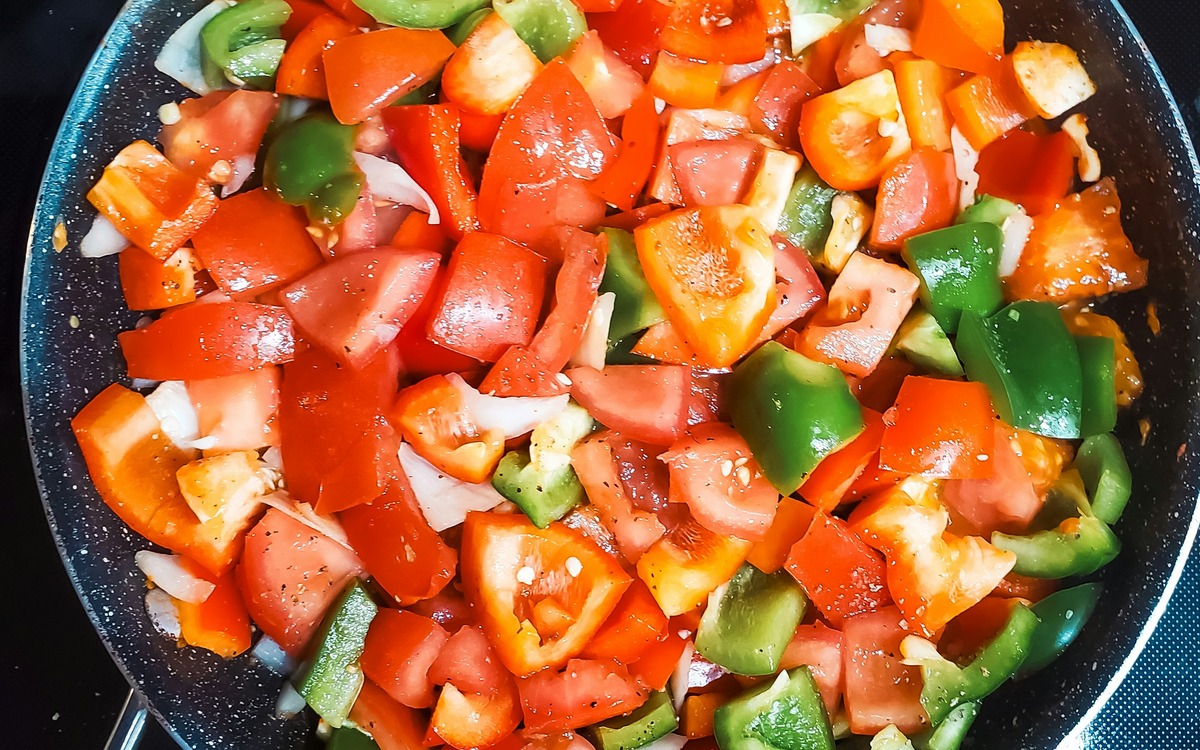
A hot skillet is useful for peppers, onions, corn, green beans, broccoli, and mixed vegetable blends. Add the vegetables to a hot pan with a small amount of oil, spread them out, and let some moisture cook away before adding wetter sauces.
2. Roasting
Roasting works especially well for broccoli, cauliflower, Brussels sprouts, carrots, squash, and sturdy mixed vegetables. A hot oven and enough space on the sheet pan help the surface dry and brown instead of simply steaming.
3. Microwave or steaming
These methods are fast and useful when you care more about convenience than browning. They work well for peas, corn, green beans, spinach, or a quick vegetable side. Follow package directions rather than guessing at cooking times.
4. Add directly to a larger dish
Frozen peas, spinach, corn, mixed vegetables, and broccoli can often go directly into soups, pasta sauces, rice dishes, curries, and casseroles. Add delicate vegetables later in the cooking process so they do not spend unnecessary time over heat.
Which frozen vegetables are easiest for beginners?
If you are just starting to use the freezer section more often, these are dependable choices:
- Peas: easy to add to pasta, rice, soup, eggs, and grain bowls.
- Corn: useful in tacos, soups, salads, rice, and skillet meals.
- Broccoli: works in pasta, stir-fries, casseroles, and simple sides.
- Spinach: easy to stir into eggs, soups, pasta sauces, curries, and dips.
- Mixed vegetables: a useful shortcut for fried rice, soup, pot pie filling, and quick skillet dinners.
You do not need to keep ten different bags in the freezer. Two or three vegetables you use repeatedly are usually more useful than a freezer full of “healthy” ingredients with no plan.
Seven easy ways to use one bag
- Fried rice: add a frozen vegetable mix to leftover rice, egg, and a simple soy-based seasoning.
- Pasta: stir peas, broccoli, or spinach into pasta during the last part of cooking, then finish with olive oil, tomato sauce, or a little cheese.
- Soup: add mixed vegetables, peas, corn, or spinach near the end of a quick soup.
- Eggs: cook spinach, peppers, or broccoli first, then add eggs for a fast breakfast or dinner.
- Tacos: use corn, peppers, or a mixed vegetable blend with beans and salsa.
- Grain bowl: combine cooked rice or quinoa with vegetables, beans, eggs, chicken, tofu, or another protein you already have.
- Sheet-pan dinner: roast sturdy frozen vegetables alongside a separate protein and season everything after excess moisture has had time to cook off.
How to keep opened bags in better shape
After opening a bag, push out excess air, seal it tightly, and return it to the freezer promptly. If the original bag does not reseal well, move the vegetables to a freezer-safe container or bag and label it.
FoodSafety.gov notes that foods held continuously at 0°F (-18°C) or below remain safe indefinitely from a storage-time standpoint, while freezer storage limits are generally about quality. In real life, that means the bigger issue with an old bag of vegetables is often texture, flavor, frost, or freezer burn rather than a magic date when the vegetable suddenly becomes unsafe.
Still, use package dates and manufacturer guidance as practical quality cues, and discard food if the package is damaged or you have reason to think it was improperly stored.
A simple freezer strategy for busy weeks
If you want frozen vegetables to actually save time, give each bag a job before you buy it.
A simple three-bag setup might be:
- broccoli for pasta, bowls, and sheet-pan meals;
- peas or corn for rice, eggs, and soups;
- a mixed vegetable blend for emergency dinners.
That is enough to create variety without turning the freezer into a collection of half-used bags.
Bottom line
Frozen vegetables are not a compromise you need to apologize for. They are simply another practical form of vegetables. Choose mostly plain bags when you want more control, read the cooking directions, use higher heat when texture matters, and keep a few varieties that fit meals you already make.
The best freezer strategy is not buying the most vegetables. It is buying the ones that make it easier to cook dinner on the days when fresh produce and extra prep time are in short supply.