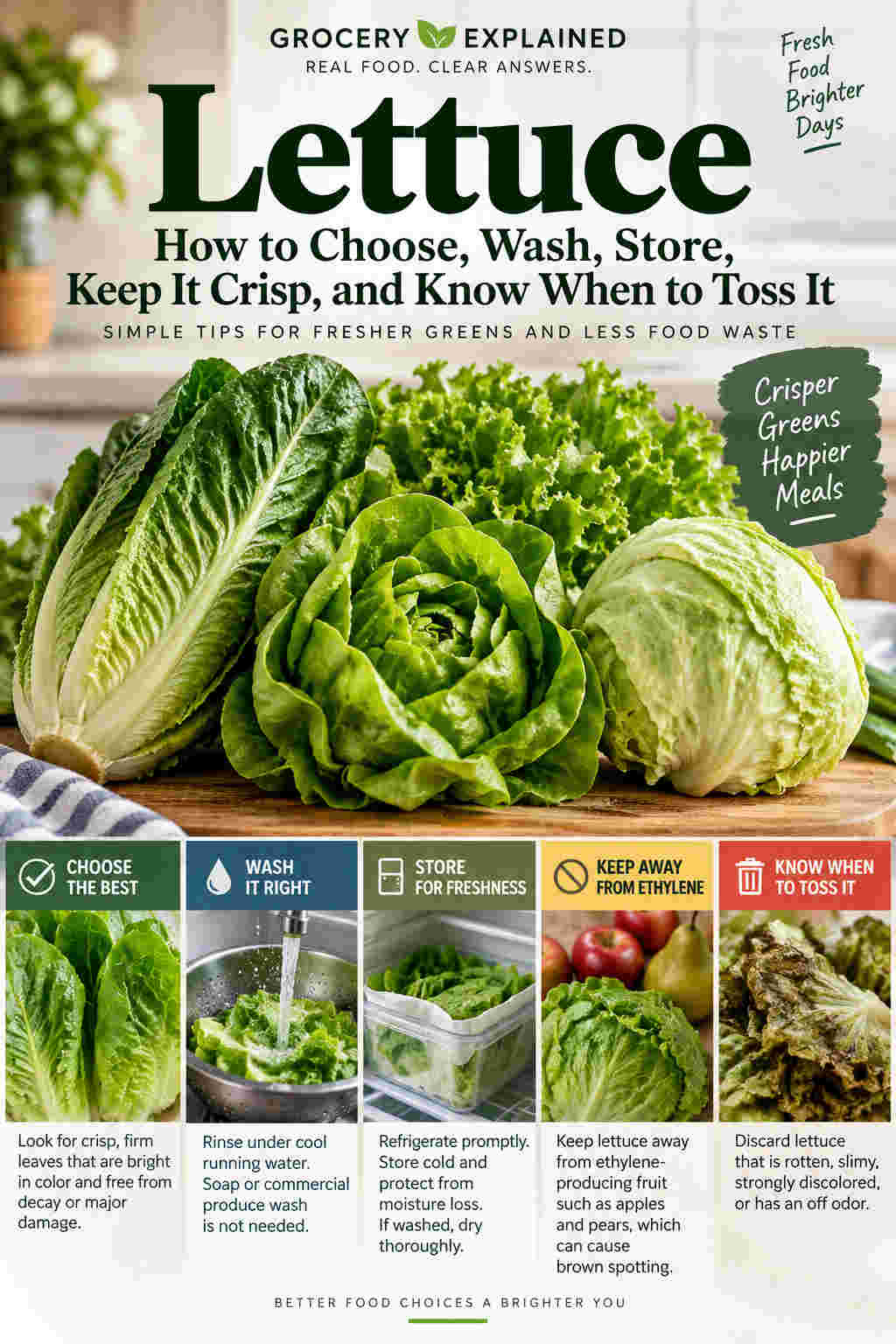
Fresh lettuce can go from crisp to limp surprisingly fast, but most of the difference comes down to how fresh it was when you bought it, how cold you keep it, and how much moisture surrounds the leaves. This guide covers the practical basics for choosing, washing, storing, and using lettuce while it is still at its best.
How to choose fresh lettuce
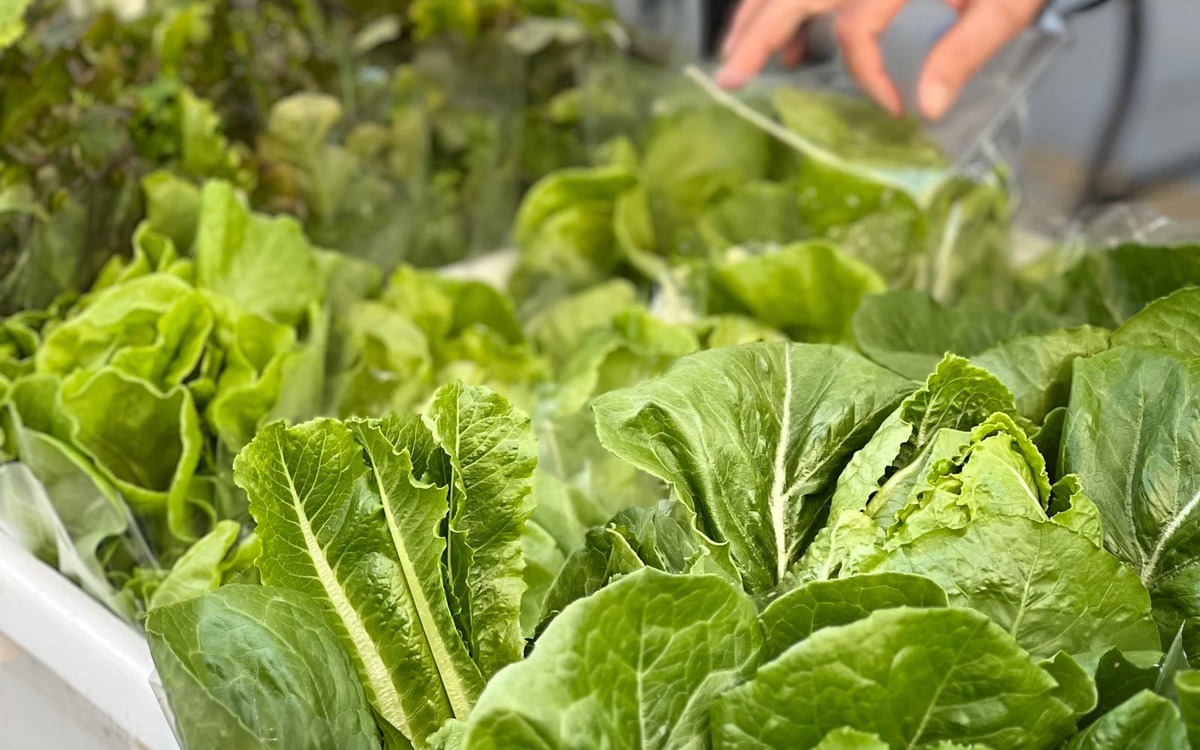
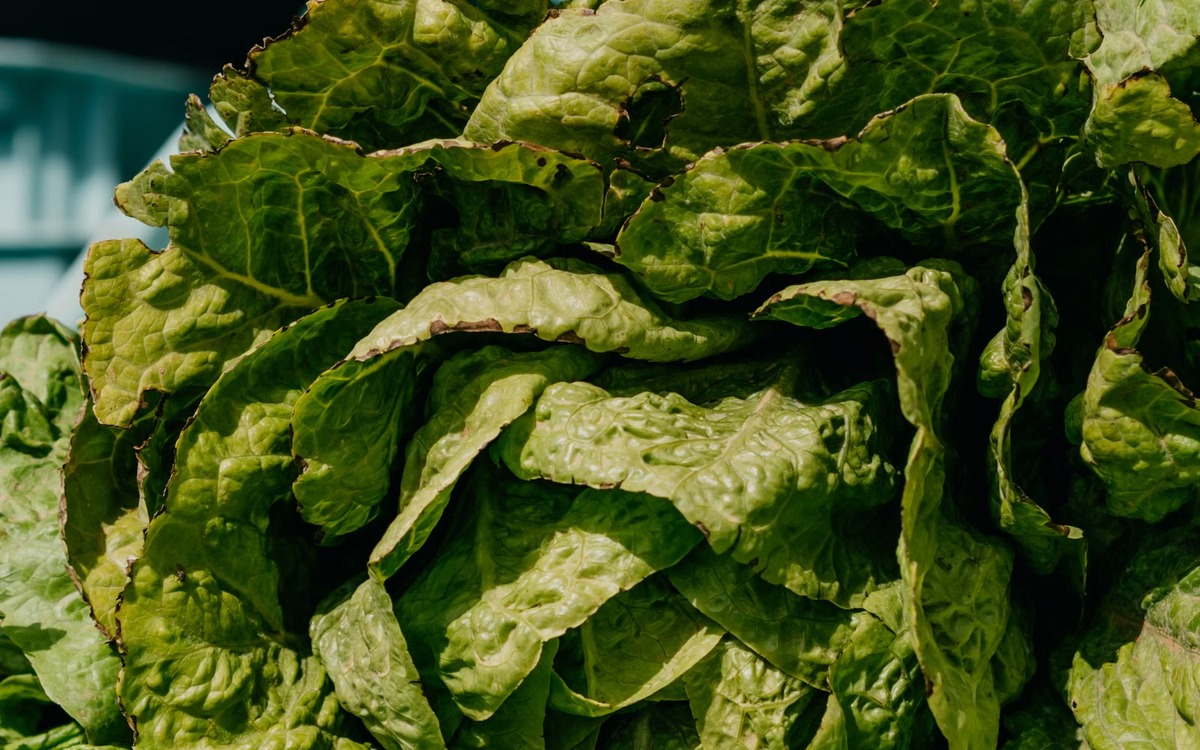
Look for leaves that are crisp, turgid, and bright for the variety. Avoid heads or loose leaves with obvious decay, heavy bruising, large slimy areas, or extensive mechanical damage. For romaine and loose-leaf types, UC Davis notes that good-quality leaves should be crisp and free from decay and damage.
Should you wash lettuce before storing it?
For whole heads and unwashed loose lettuce, the simplest routine is usually to keep it dry until you are ready to use it. Colorado State University Extension recommends not cleaning fresh greens before storage. If you do wash lettuce ahead of time, dry it very thoroughly because excess surface moisture can speed deterioration.
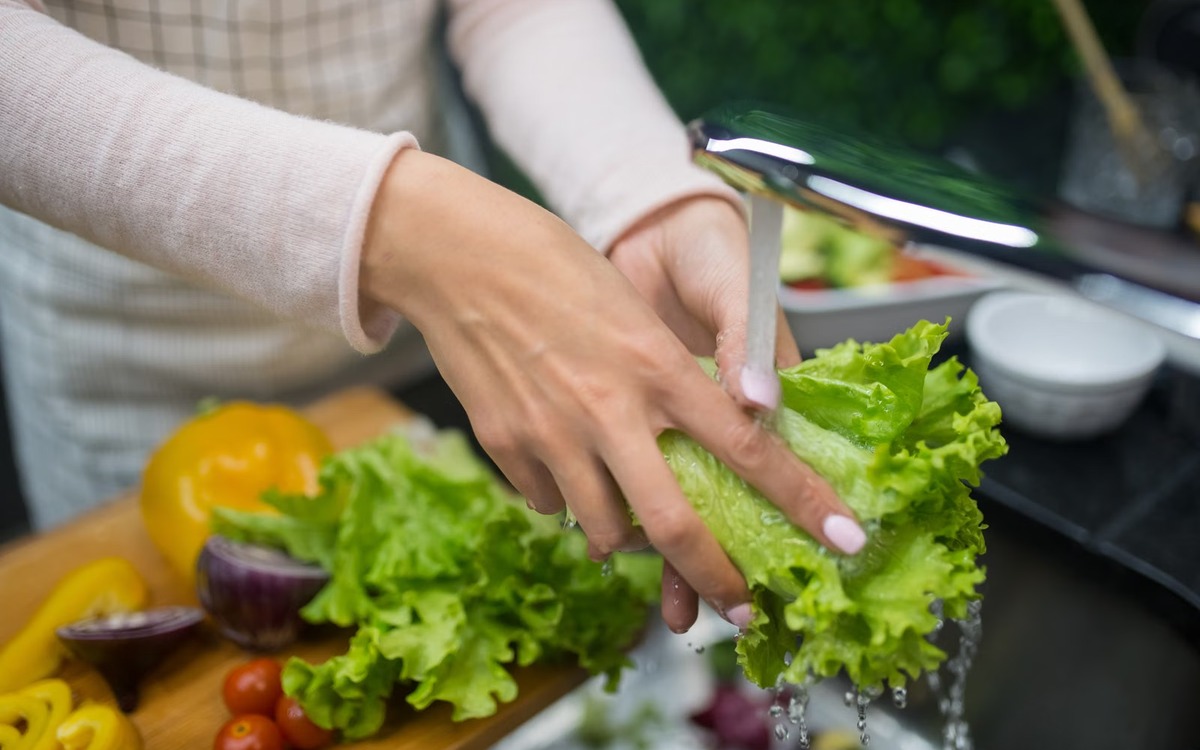
When you are ready to eat lettuce, separate the leaves as needed and rinse them thoroughly under cool running water. The FDA advises washing produce under running water and says not to use soap, detergent, or commercial produce wash. Dry the leaves with a clean towel or salad spinner.
How to store lettuce in the refrigerator
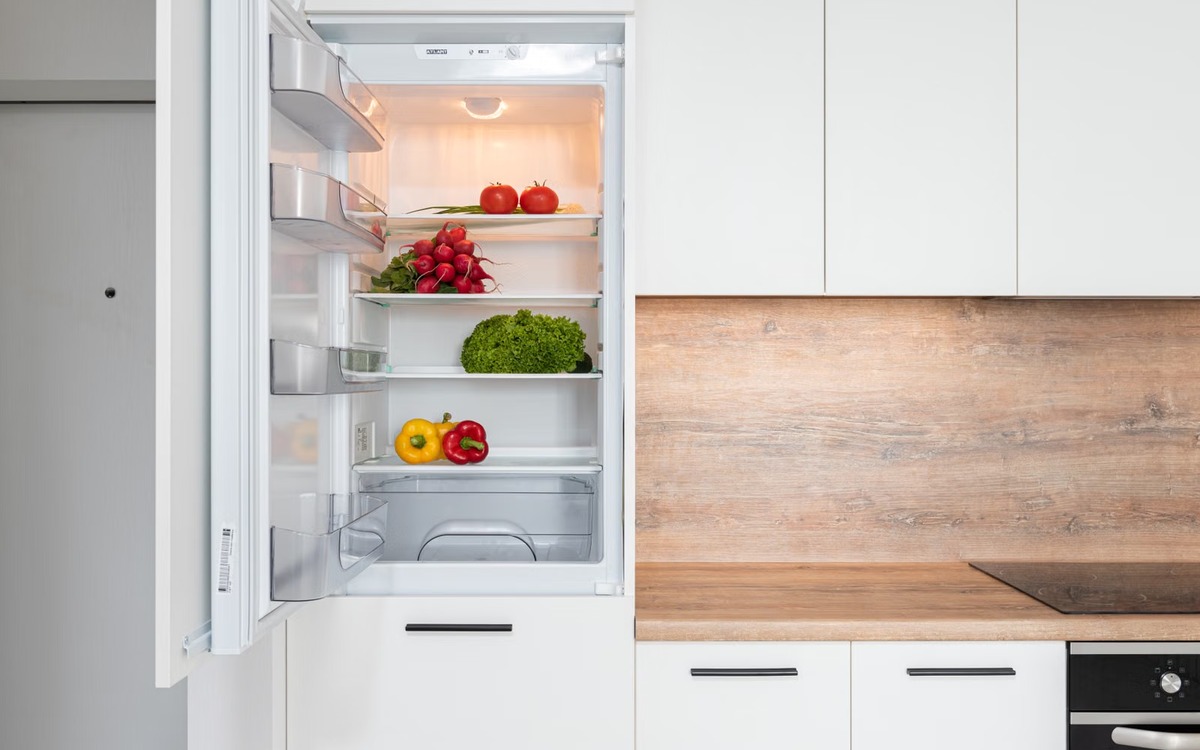
Lettuce is a refrigerated food. The FDA recommends keeping perishable produce such as lettuce in a clean refrigerator at 40°F (4°C) or below. At home, store lettuce in the produce drawer or in a container or bag that helps limit moisture loss without trapping excess water against the leaves.
A practical setup is a container lined with clean paper towels, as suggested by Colorado State University Extension. The goal is to protect the leaves from drying out while also preventing standing moisture. For typical household storage, plan to use lettuce within about a week for best quality; actual life varies with variety, freshness at purchase, and refrigerator conditions.
Keep lettuce away from ethylene-producing fruit
Lettuce is sensitive to ethylene. UC Davis reports that exposure can cause russet spotting, especially on the midribs. Apples and pears are examples of ethylene-producing fruits, so keeping lettuce away from them in the refrigerator can help preserve its appearance.
How to keep lettuce crisp
Lettuce loses crispness as it loses water. Cold temperatures and high humidity slow that process, while a loose barrier such as a bag or covered container reduces moisture loss. At home, a crisper drawer or a roomy container is usually more useful than leaving an uncovered head on a refrigerator shelf.
If leaves are already badly wilted, slimy, rotten, or strongly off-smelling, storage tricks will not restore them. Remove damaged leaves promptly and discard lettuce that clearly shows decay.
Can you freeze lettuce?
Freezing is not a good way to preserve lettuce for salads. The high water content means the leaves lose their crisp texture after freezing and thawing. Colorado State University Extension specifically notes that tender lettuce greens do not freeze well. If you want crisp lettuce, refrigeration is the better storage method.
When should you throw lettuce away?
Discard lettuce that looks rotten or has extensive slime, mold, severe darkening, or an unpleasant odor. The FDA advises throwing away produce that looks rotten. A few dry or bruised outer leaves can simply be removed if the rest of the head remains sound, but widespread decay is a reason to toss it.
Quick takeaways
- Choose crisp, turgid leaves without obvious decay or major damage.
- Keep lettuce refrigerated at 40°F (4°C) or below.
- Wash under cool running water just before use, and do not use soap.
- Dry washed lettuce thoroughly and protect it from moisture loss.
- Store it away from ethylene-producing fruit such as apples and pears.
- Use refrigerated lettuce within about a week for best household quality.
- Do not expect frozen lettuce to stay crisp for salads.
Sources
Food-safety guidance: U.S. Food and Drug Administration. Storage and quality guidance: UC Davis Postharvest Research and Extension Center, Colorado State University Extension, and Utah State University Extension.