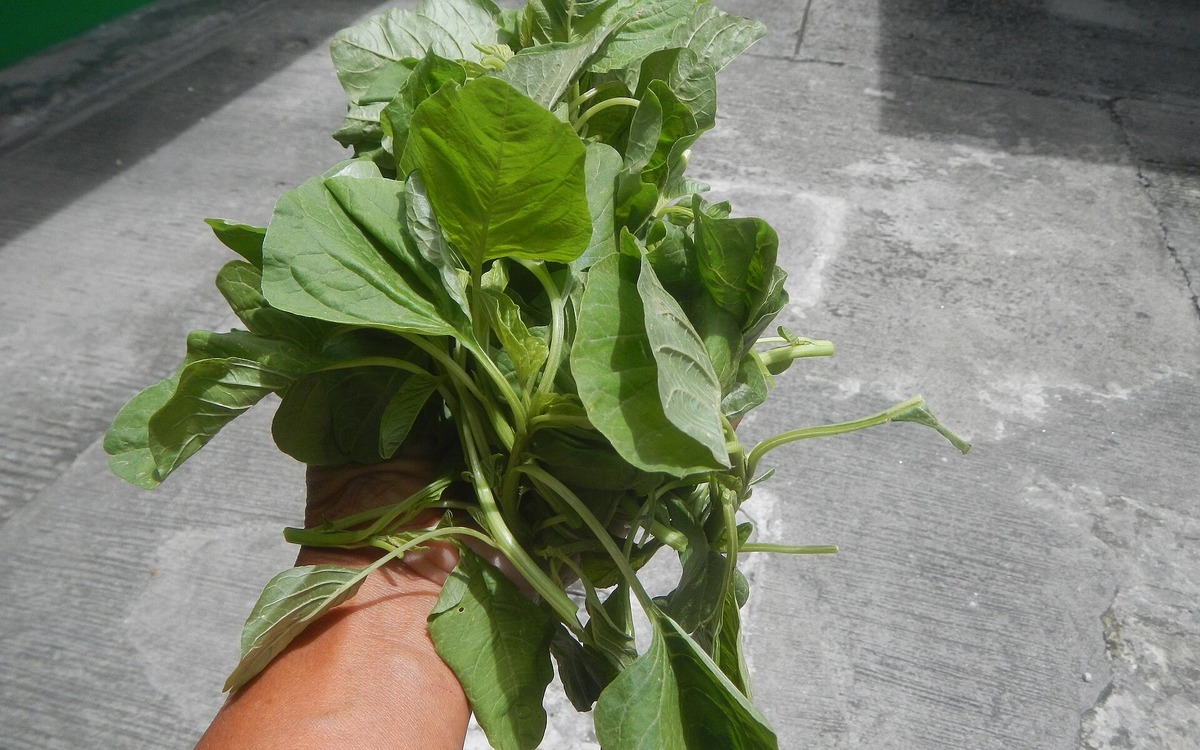
Spinach is one of the most perishable greens in the produce aisle. It stays usable longest when you start with crisp leaves, keep it cold and dry, wash it at the right time, and remove spoiled leaves before decay spreads.
How to choose fresh spinach
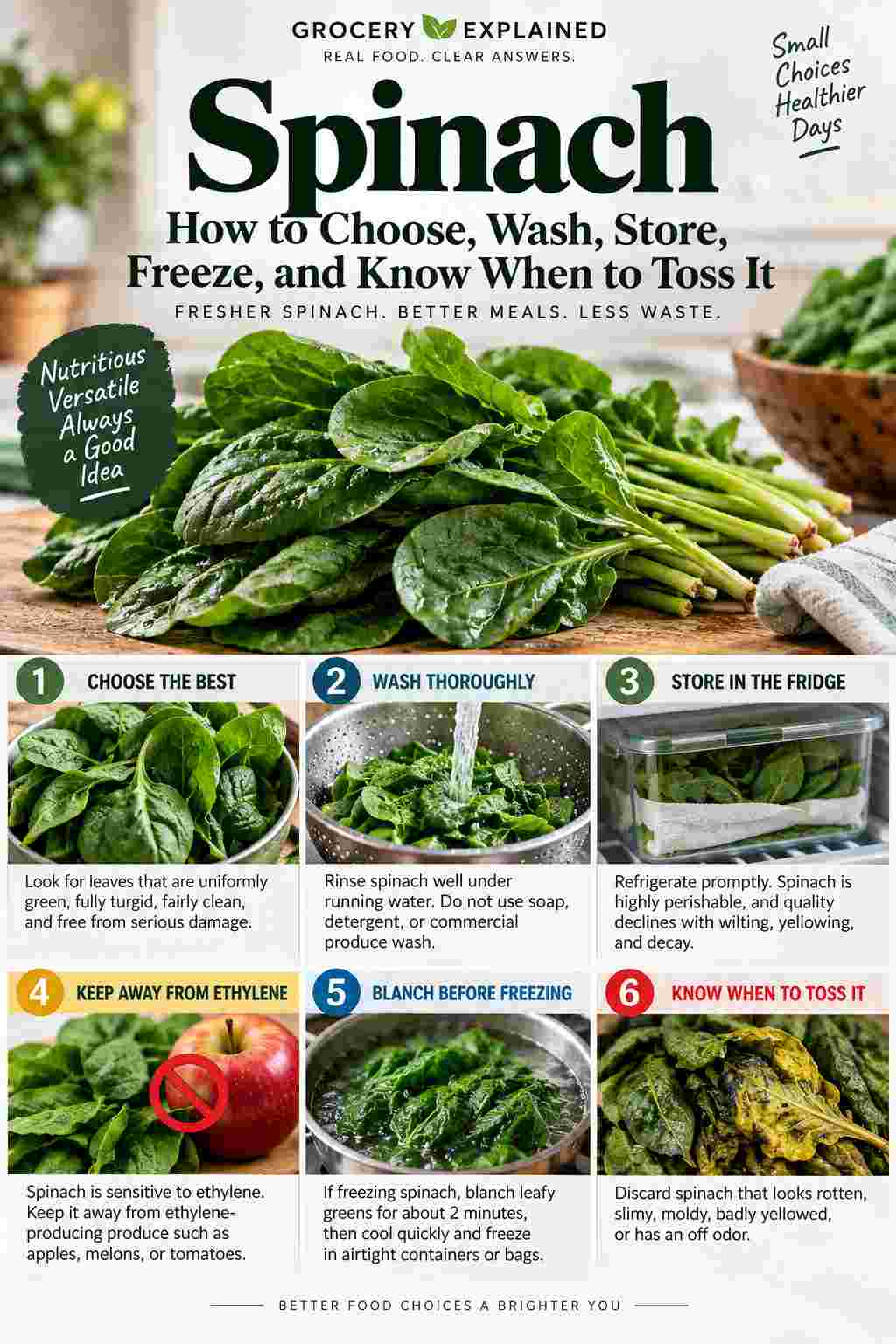
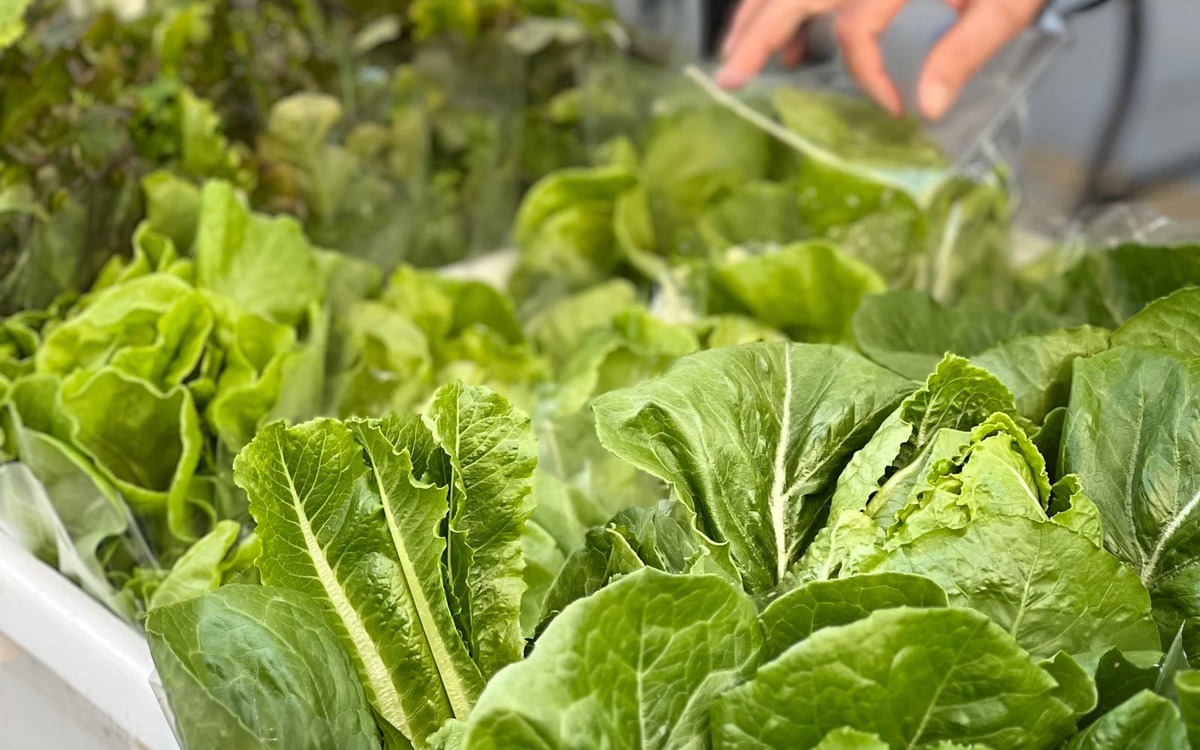
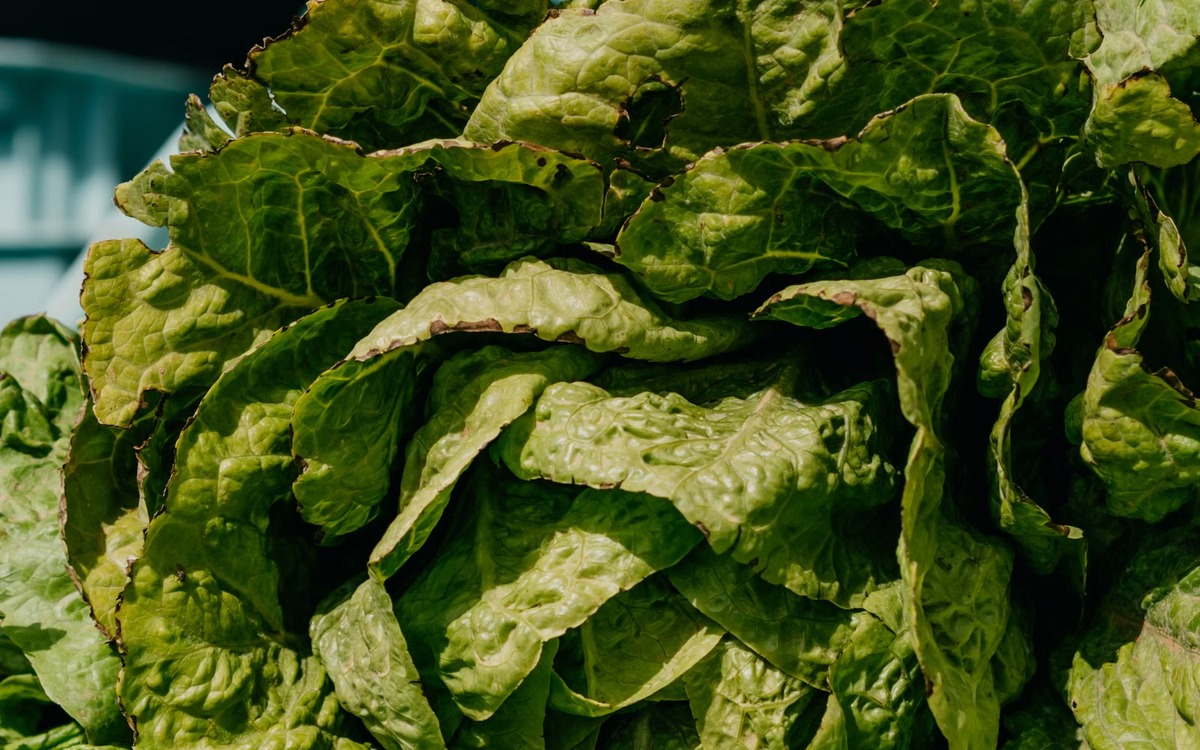
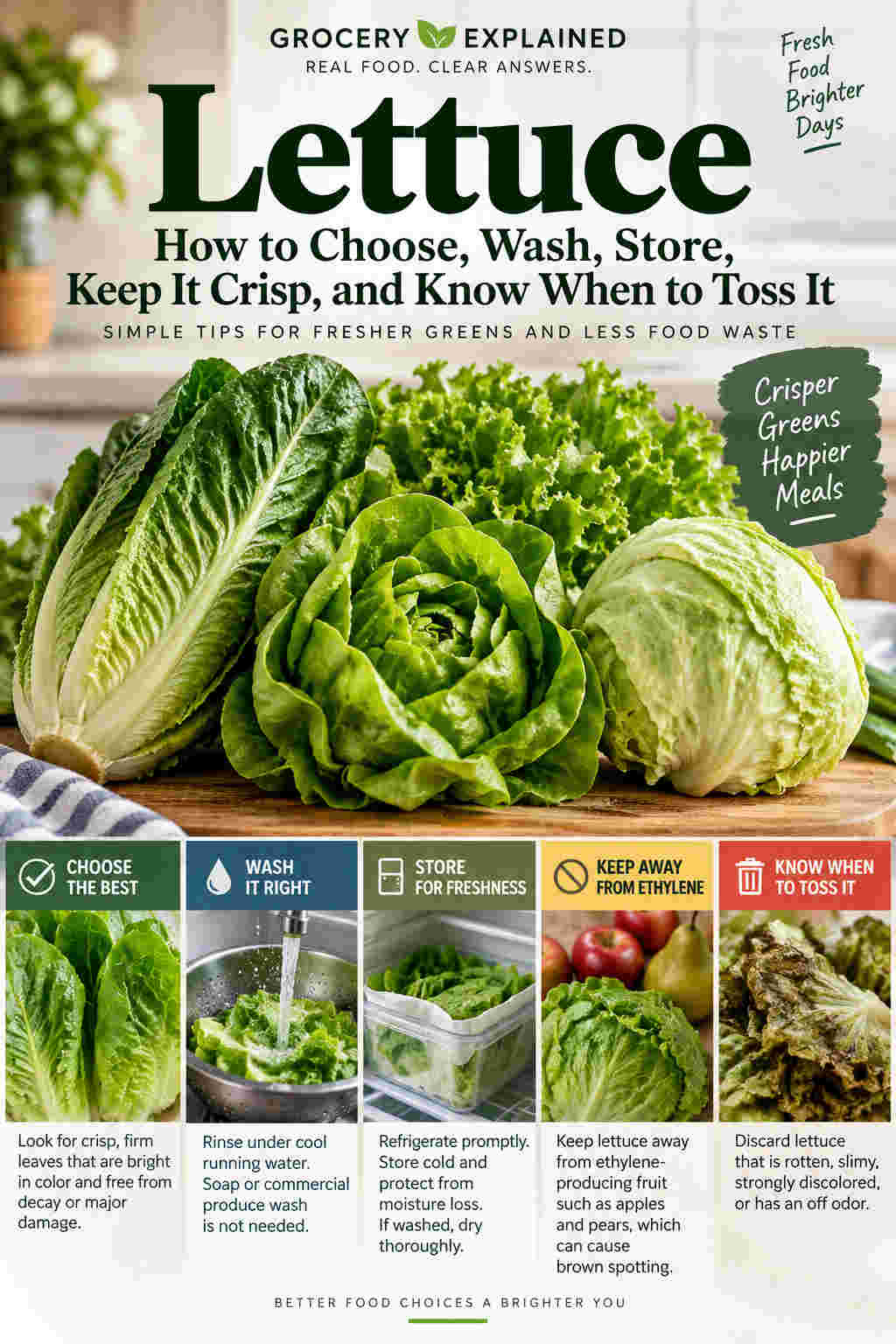
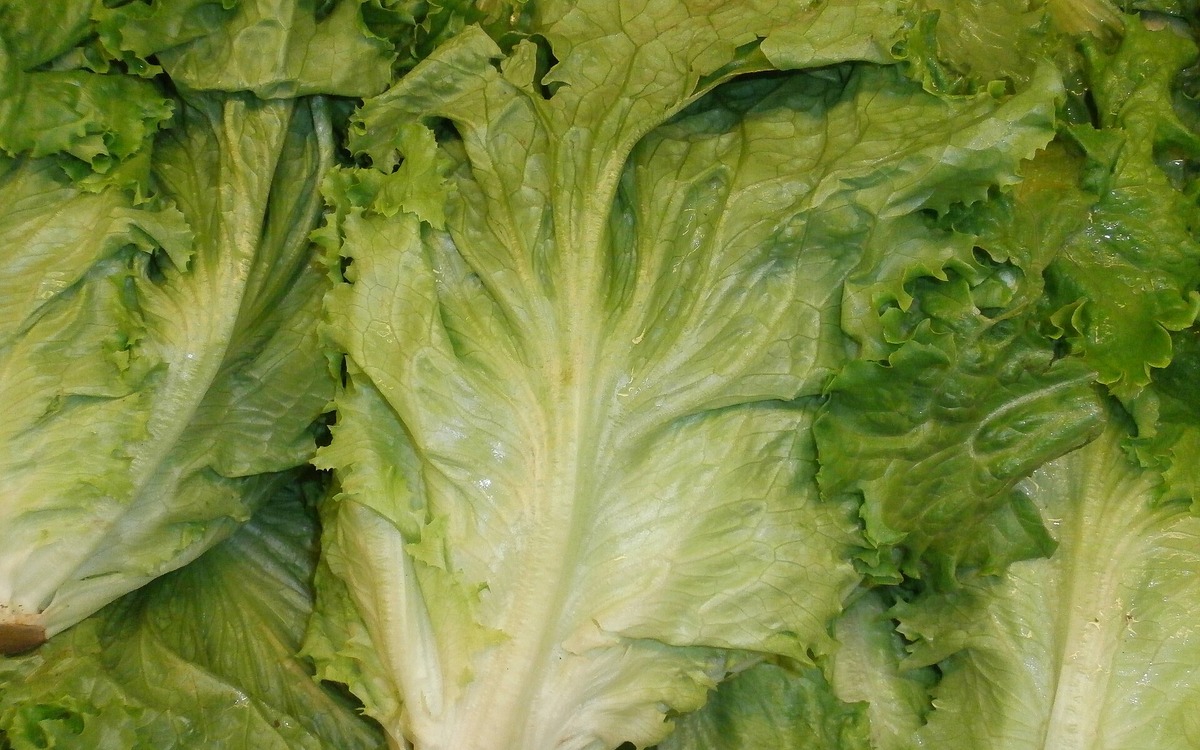
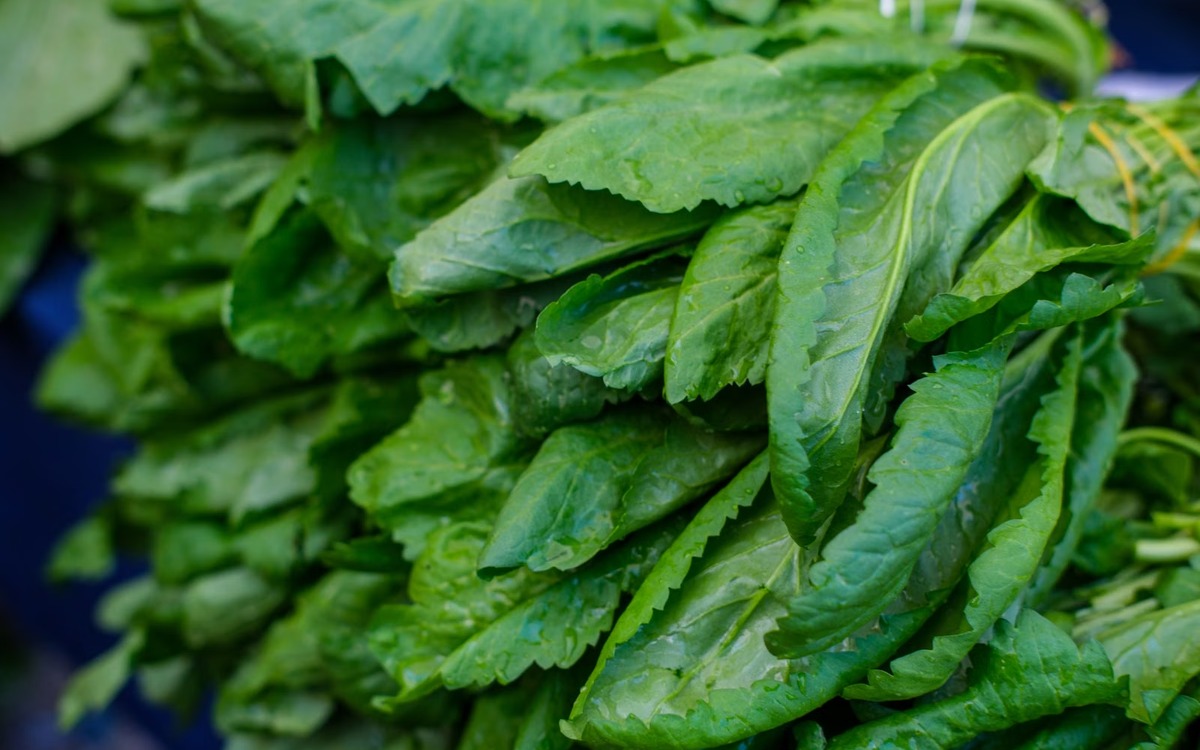
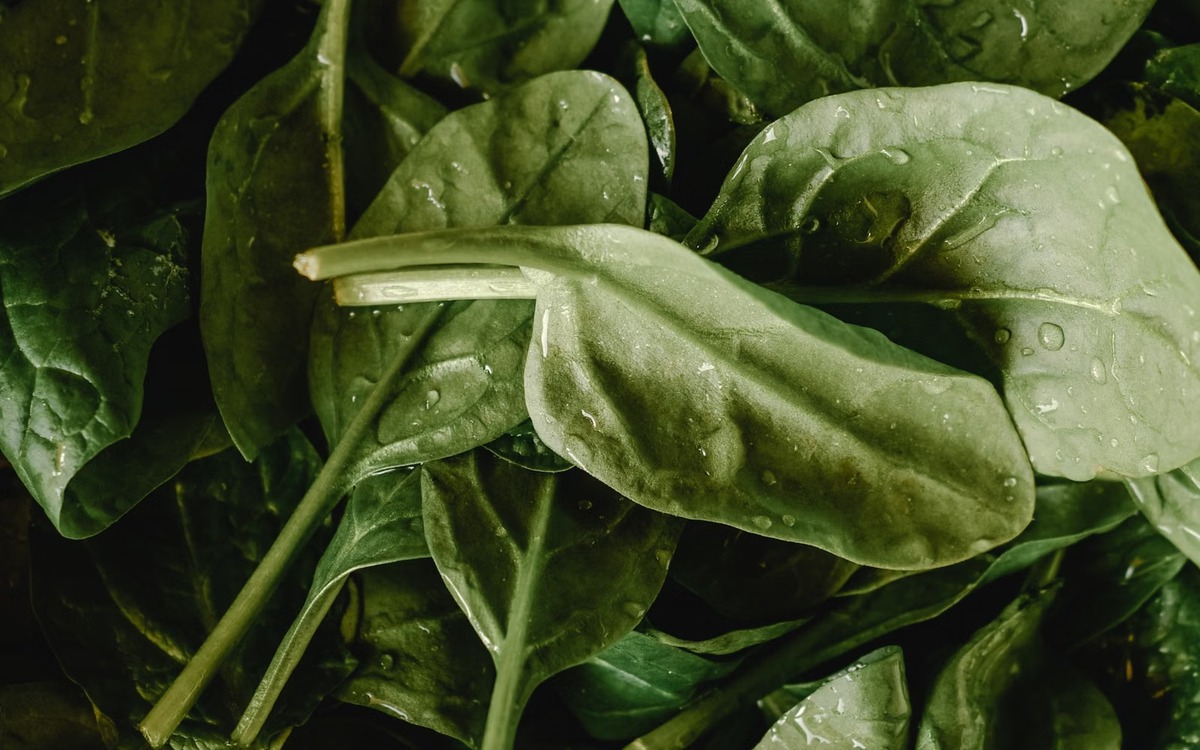
Choose leaves that are uniformly green, fully turgid, fairly clean, and free from serious damage. Avoid spinach that is already yellowing, limp, slimy, or badly bruised. For bagged spinach, choose packages that are cold and intact, and follow the printed use-by date.
Should you wash spinach before storing it?
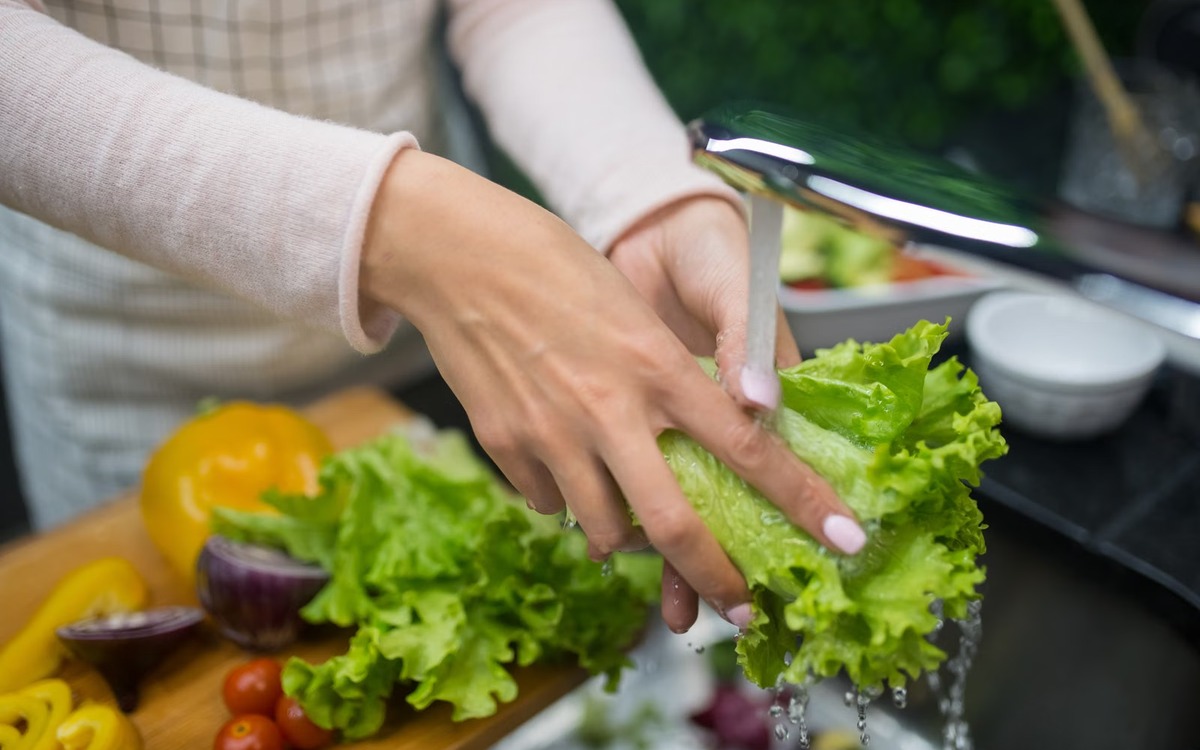
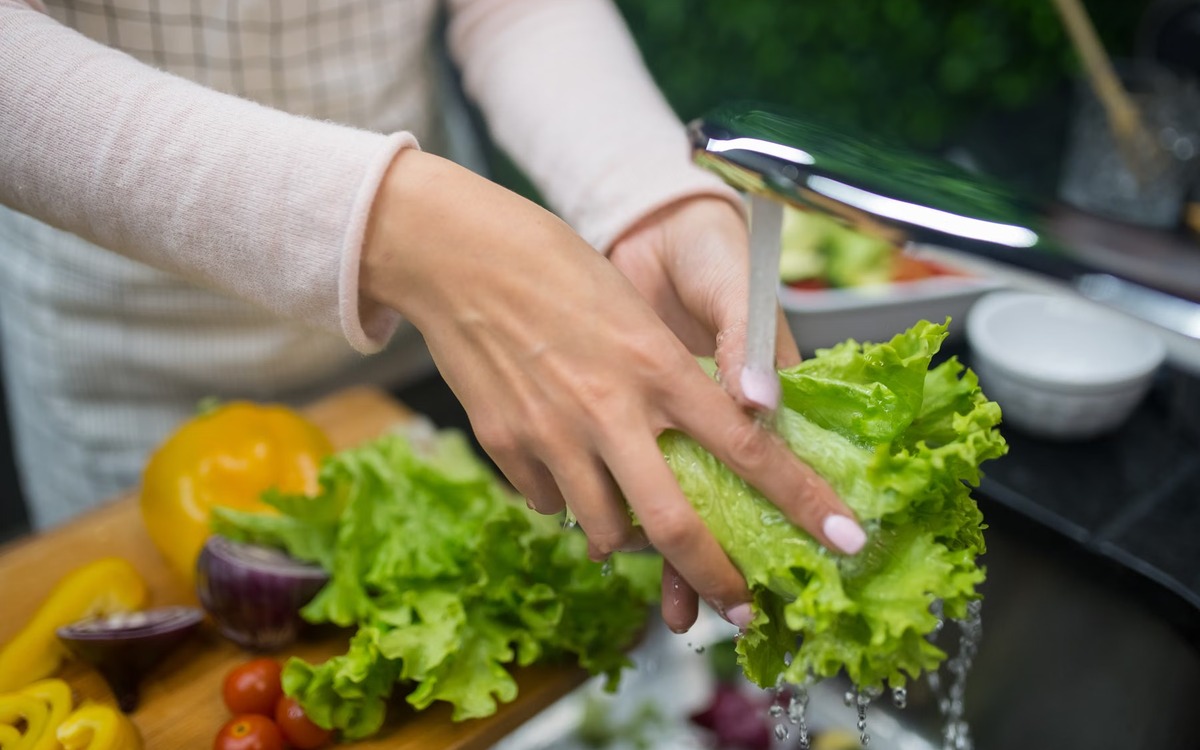
For best quality, wait to wash fresh spinach until you are ready to use it. Extra surface moisture can speed deterioration in storage. When it is time to eat or cook the spinach, rinse the leaves thoroughly under cool running water and dry them well with a clean towel or salad spinner.
The FDA does not recommend washing produce with soap, detergent, or commercial produce wash. Plain running water is the standard recommendation.
How to store spinach in the refrigerator
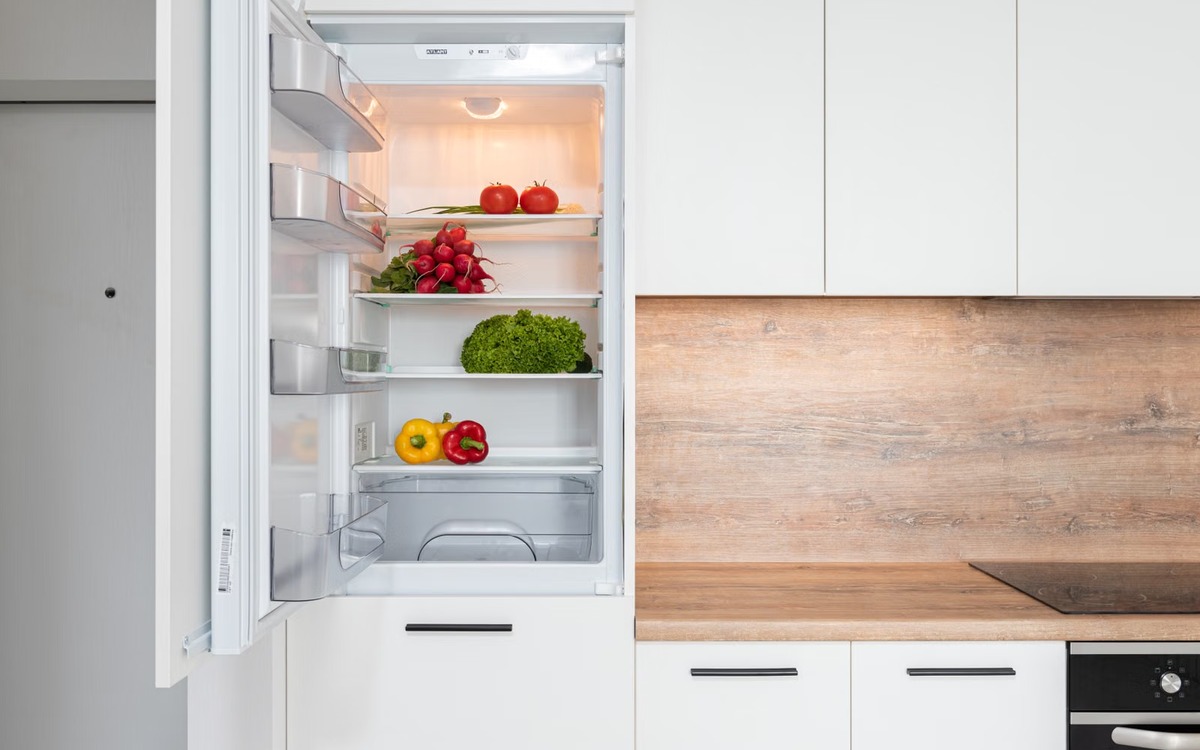
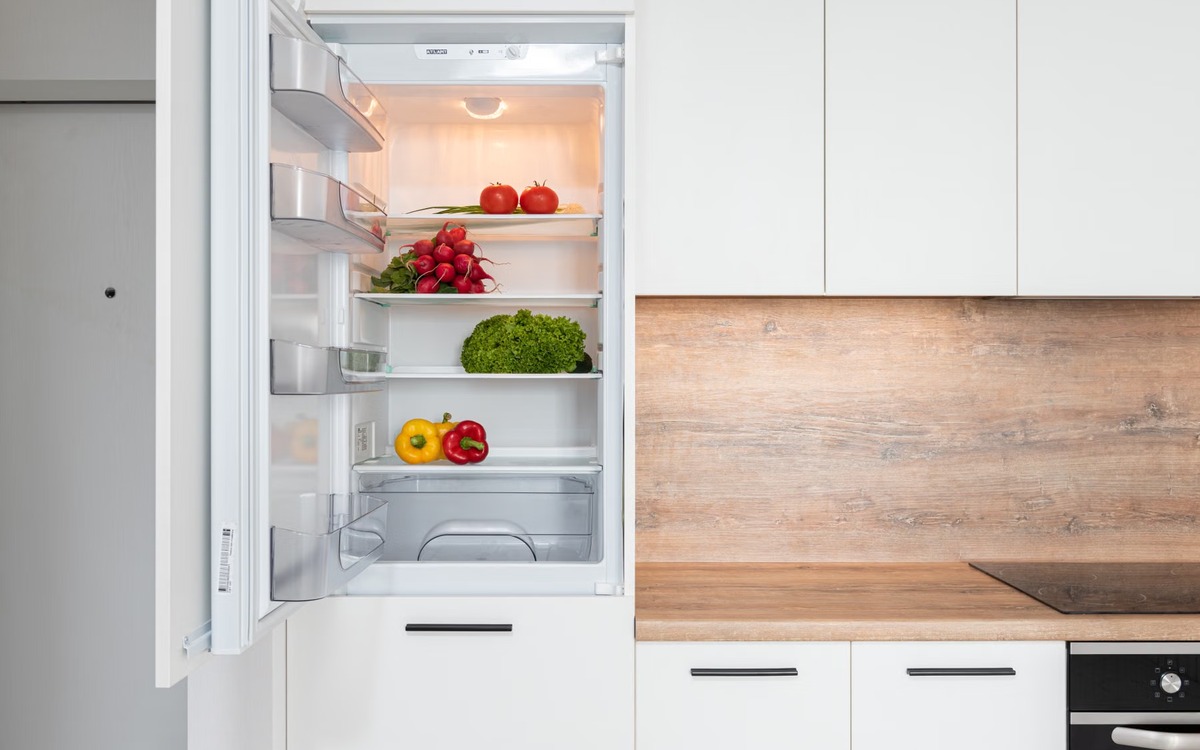
Keep fresh spinach refrigerated promptly. At home, store loose leaves in the refrigerator crisper in a breathable or loosely closed bag or container. If you use a container, a clean paper towel can help absorb excess moisture while keeping the leaves from sitting in water.
Utah State University Extension recommends using loose fresh spinach within about 3 to 5 days for best quality, while bagged spinach may last longer when kept refrigerated and used by the date on the package.
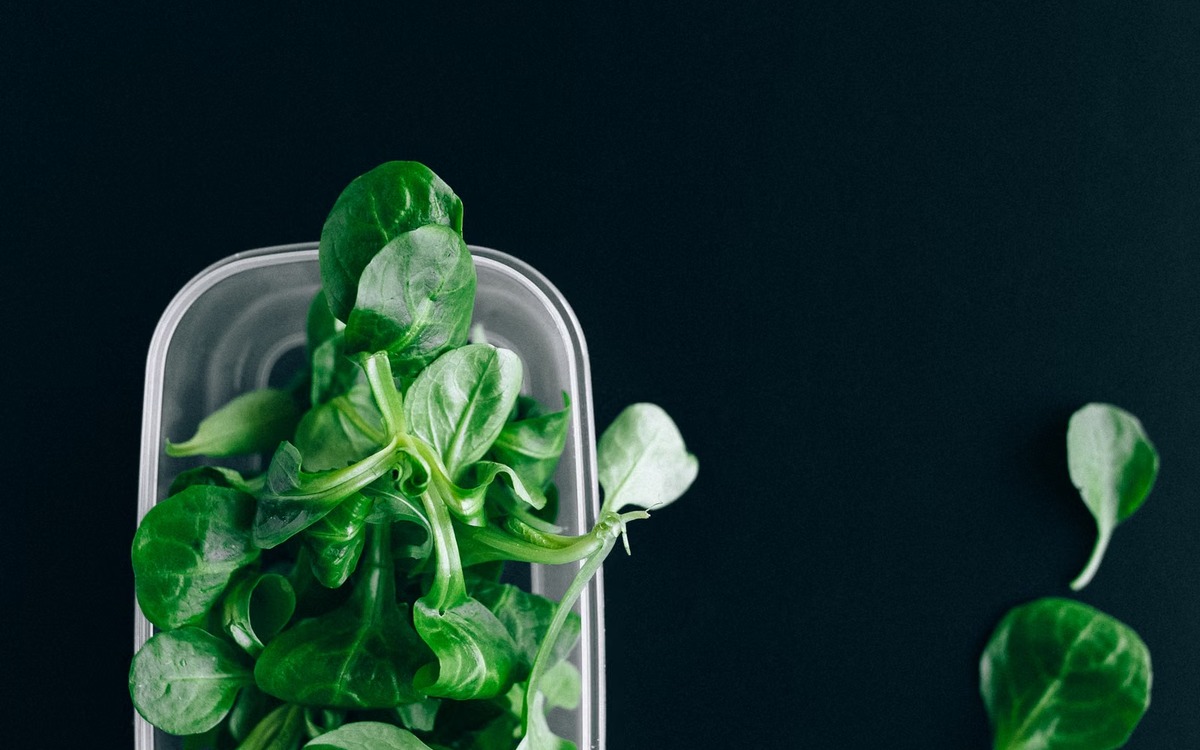
Keep spinach away from ethylene-producing produce
Spinach is highly sensitive to ethylene. UC Davis notes that exposure can accelerate yellowing, so it is better not to store spinach right beside strong ethylene producers such as apples, melons, and tomatoes.
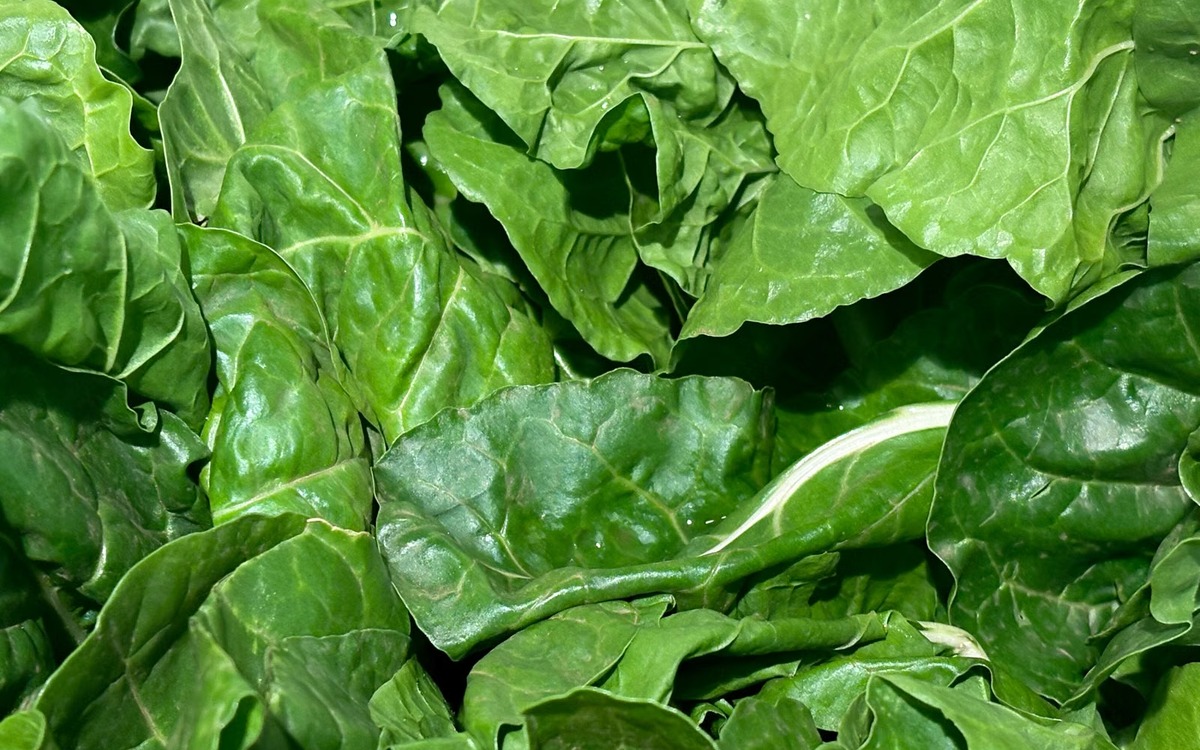
How to freeze spinach
Spinach freezes well for cooked dishes such as soups, casseroles, sauces, and quiche. For the best frozen quality, wash the leaves, blanch them briefly, cool them quickly, drain well, and pack them for freezing. The National Center for Home Food Preservation lists a two-minute blanch for most leafy greens, while Colorado State University recommends roughly two to three minutes for spinach.
Frozen spinach will not have the crisp texture of fresh leaves after thawing, so it is better suited to cooked recipes than salads.
When should you throw spinach away?
Discard spinach that is rotten, slimy, moldy, strongly off-smelling, or heavily yellowed and watery. The FDA advises throwing away produce that looks rotten. A few bruised or wilted leaves can be removed if the remaining spinach is still sound, but widespread decay is a reason to toss the package.
Quick takeaways
- Choose green, crisp, turgid leaves without serious damage.
- Wait to wash spinach until you are ready to use it.
- Rinse under cool running water and do not use soap.
- Store spinach cold and dry in the refrigerator.
- Keep it away from ethylene-producing produce.
- Blanch spinach before freezing it for cooked dishes.
- Discard spinach that is slimy, moldy, rotten, or foul-smelling.
Sources
Guidance used for this article comes from the U.S. Food and Drug Administration, UC Davis Postharvest Research and Extension Center, Utah State University Extension, Colorado State University Extension, and the National Center for Home Food Preservation.