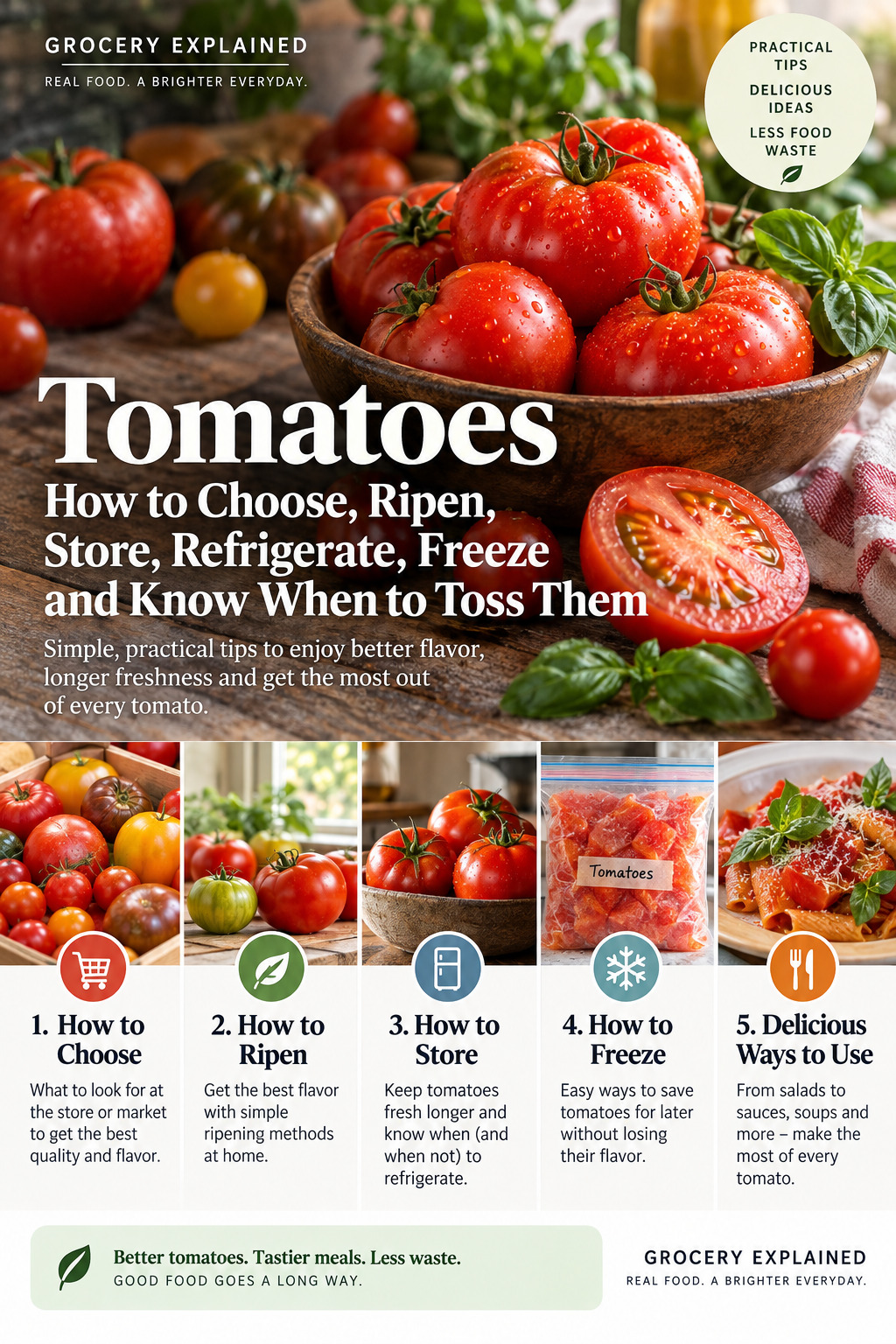
Tomatoes are simple to buy but surprisingly easy to store badly. A tomato that still needs to ripen does best in different conditions from one that is already fully ripe, and a cut tomato has different food-safety needs again. The practical goal is to keep good texture and flavor for as long as possible without turning storage into a complicated project.
The basic routine is straightforward: buy firm tomatoes without major damage, let underripe tomatoes finish ripening away from direct sun, use ripe tomatoes soon, refrigerate ripe or cut tomatoes when you need to slow deterioration, and freeze extra ripe tomatoes for cooked dishes rather than expecting them to stay salad-firm after thawing.
Choose tomatoes by firmness, color, and what you plan to cook
For most everyday uses, look for tomatoes that are well formed for their type, free of deep cracks and bruises, and firm enough to hold their shape. The University of California, Davis Postharvest Research and Extension Center describes good-quality tomatoes as smooth, well formed, evenly colored for the variety, and not soft enough to deform easily from overripeness.
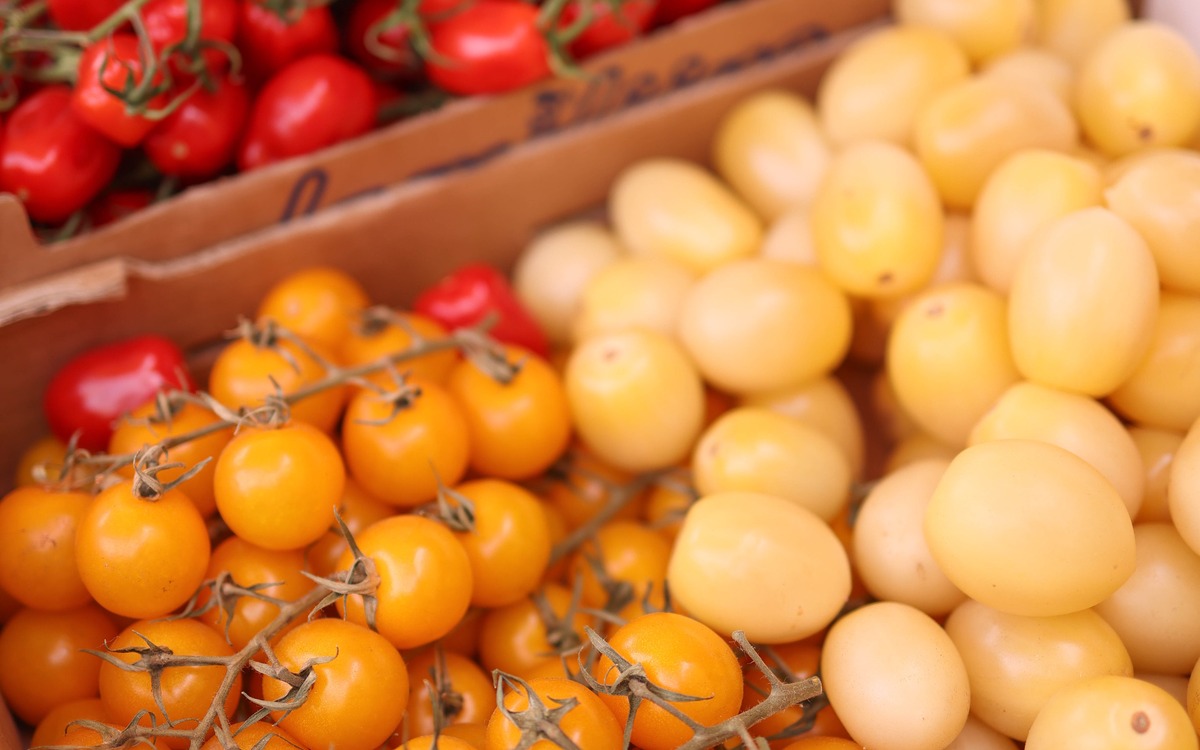
Color alone is not a perfect ripeness test because tomato varieties can be red, orange, yellow, purple, striped, or green when ripe. Use color together with firmness. A tomato for tonight's salad can be fully colored and gently yielding. If you need several days before using it, a slightly firmer, less-developed tomato gives you more time.
Skip tomatoes with leaking cracks, extensive bruising, obvious mold, or areas that look rotten. FDA produce guidance recommends choosing produce that is not badly bruised or damaged when possible and discarding produce that looks rotten.
Let underripe tomatoes finish ripening at room temperature
Tomatoes continue to ripen after harvest. UC Davis notes that mature-green tomatoes respond to ethylene and that standard ripening happens best at moderate room-like temperatures rather than in very cold storage. Utah State University Extension likewise recommends keeping unripe tomatoes in a warm place away from direct sunlight and notes that refrigerator temperatures slow or stop normal ripening.
For home storage, place underripe tomatoes in a single layer or otherwise avoid crushing them. Keep them out of hot direct sun; a windowsill that becomes very warm can soften fruit faster than it colors evenly. Check them daily so you can move fully ripe tomatoes into your cooking plan before they become overripe.
You do not need to wrap every tomato individually. Good air circulation and gentle handling matter more. If one tomato develops a wet leak or mold, remove it promptly and check the fruit touching it.
Room temperature or refrigerator? Use ripeness as the decision point
Cold storage can slow deterioration, but tomatoes are also sensitive to chilling. UC Davis lists warmer storage ranges for mature-green and ripening tomatoes and warns about chilling injury from temperatures that are too low for too long. University of Minnesota Extension similarly advises that red tomatoes lose color, firmness, and flavor when stored below 40°F for extended periods.
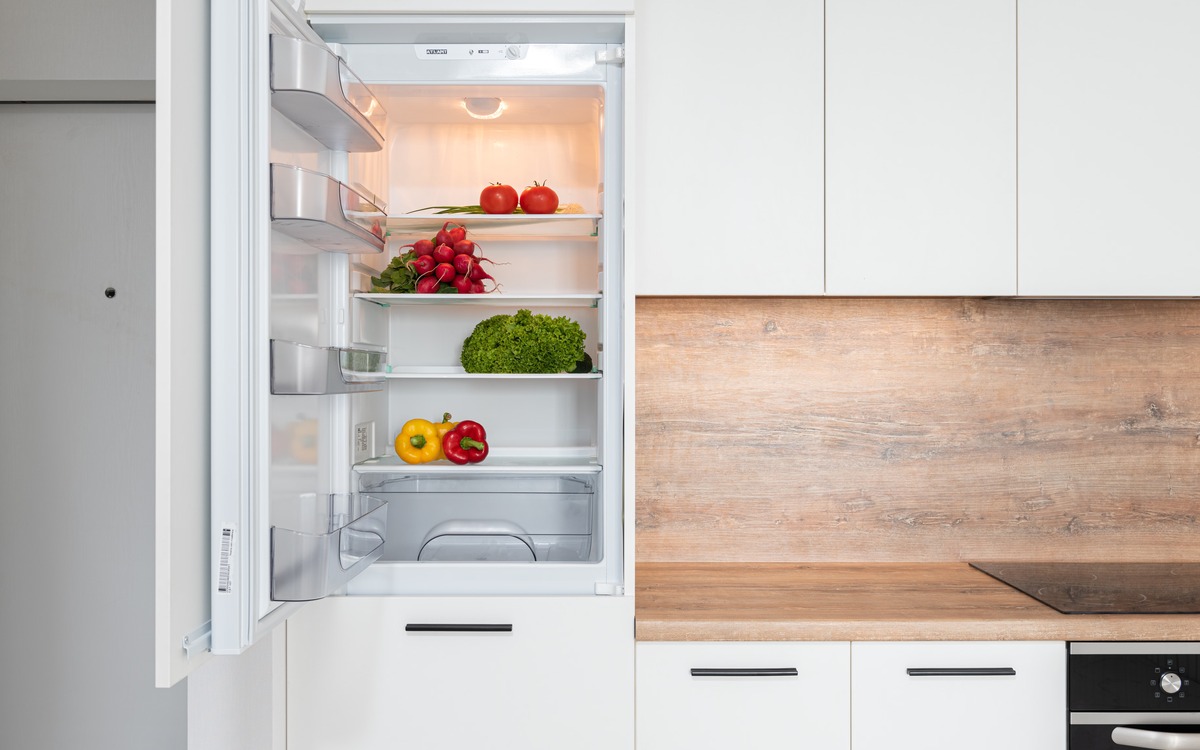
That does not mean a household refrigerator is never useful. Utah State University Extension recommends letting tomatoes ripen first and refrigerating only ripe tomatoes. In practice, if a fully ripe tomato will otherwise become overripe before you can use it, refrigeration is a reasonable rescue step. Use it soon rather than treating the refrigerator as long-term storage.
Cut tomatoes are different. FDA retail guidance treats washed and cut tomatoes as time/temperature-control food and says they should be refrigerated at 41°F or below. At home, place cut tomatoes in a clean covered container and refrigerate promptly.
Wash tomatoes under running water just before preparation
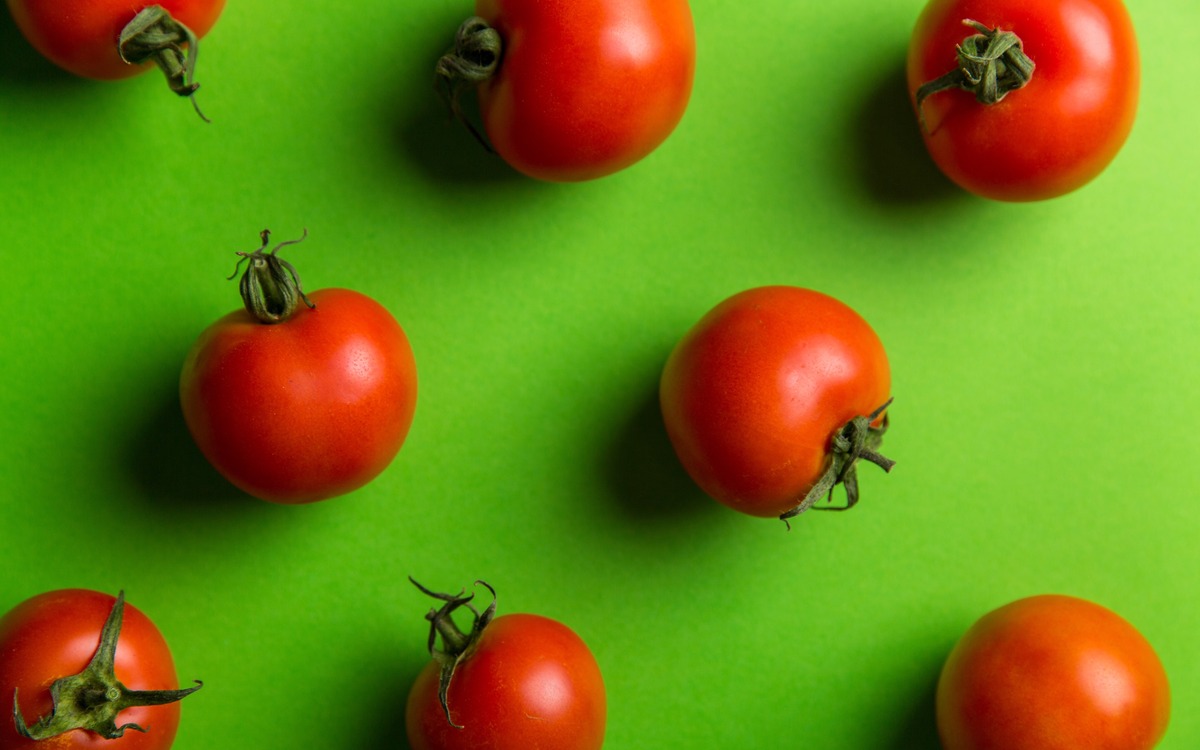
FDA guidance recommends washing fresh produce thoroughly under running water before eating or preparing it. Gently rub the tomato while rinsing it; soap, detergent, bleach, and commercial produce washes are not recommended.
Wash before cutting so dirt and bacteria on the surface are less likely to be transferred by the knife. Drying the tomato with a clean towel or paper towel can also help remove surface moisture. Keep produce preparation away from raw meat, poultry, and seafood and use clean knives and cutting boards.
Freeze ripe tomatoes for cooking, not for fresh salads
Freezing is useful when you have more ripe tomatoes than you can use. The National Center for Home Food Preservation recommends selecting firm, ripe tomatoes, washing them, loosening and removing the skins when desired, then freezing whole tomatoes or pieces in freezer containers with appropriate headspace.
The tradeoff is texture. Frozen tomatoes become soft after thawing, so they are much better for soups, sauces, stews, casseroles, and other cooked dishes than for sandwiches or salads. Utah State University Extension gives the same practical warning: thawed frozen tomatoes are mushy, but they remain useful in cooked foods.
If you usually cook with chopped tomatoes, freezing them in recipe-sized portions saves work later. Label the container, remove as much excess air as practical, and freeze only tomatoes that are still sound. Freezing preserves usable fruit; it does not make spoiled tomatoes safe again.
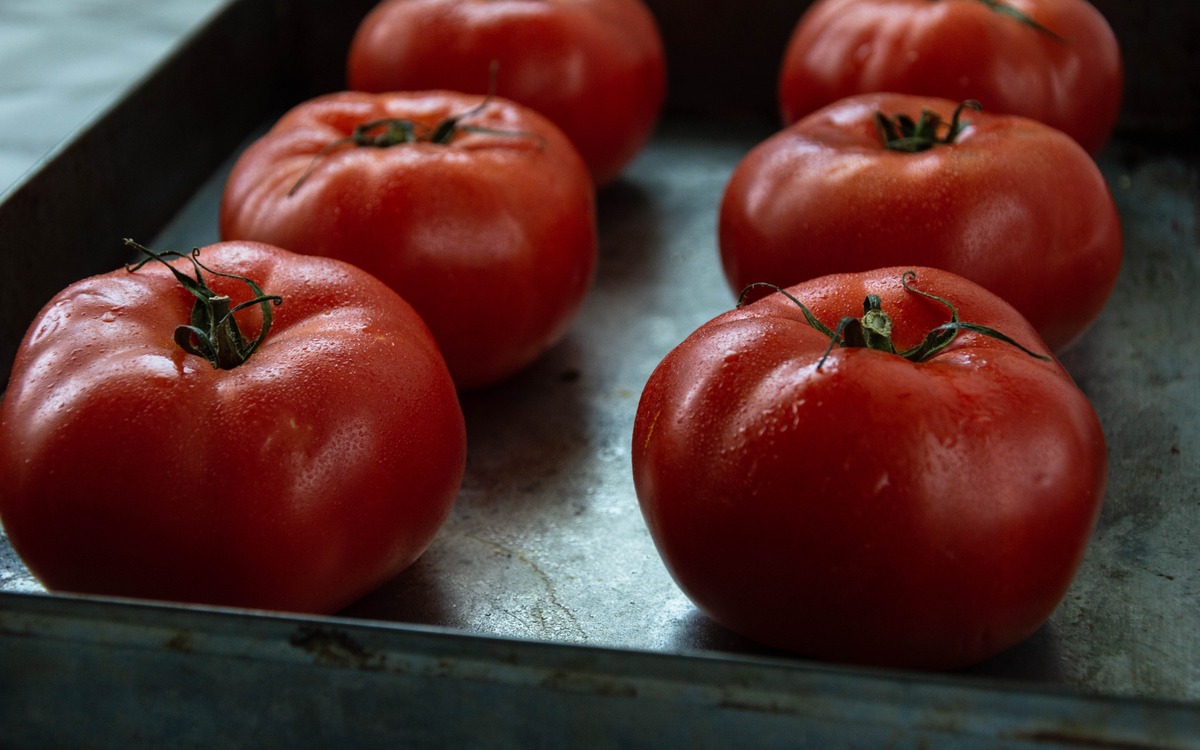
Soft is not automatically spoiled, but mold is a different story
A very ripe tomato can be soft and still be useful for sauce. Look at the whole picture: aroma, leaking, surface condition, and whether the flesh is breaking down. FDA guidance says produce that looks rotten should be discarded.
Mold on tomatoes should be treated more strictly than a simple bruise. USDA Food Safety and Inspection Service guidance classifies tomatoes as soft, high-moisture produce and recommends discarding them when mold is present because contamination can extend below the visible surface. Do not just cut a small mold spot off a soft tomato and use the rest.
Also discard tomatoes with widespread watery decay, a clearly rotten or fermented odor, or extensive leaking that indicates breakdown rather than a small mechanical crack. When moldy produce has been stored next to other fruit or vegetables, inspect the nearby items and clean the storage area.
Common tomato-storage mistakes
- Refrigerating tomatoes before they are ripe. Cold slows the ripening process and can reduce quality.
- Leaving very ripe tomatoes on the counter too long. Once fully ripe, use them promptly or refrigerate briefly if you need extra time.
- Washing tomatoes and leaving them wet for storage. Wash near preparation time unless you have a specific reason to wash earlier, and dry them well.
- Leaving cut tomatoes at room temperature for extended periods. Refrigerate cut tomatoes promptly in a clean covered container.
- Expecting frozen tomatoes to thaw crisp. Plan to use them in cooked dishes.
- Trimming mold off a soft tomato. USDA guidance says moldy soft fruits and vegetables such as tomatoes should be discarded.
A simple tomato routine
- Buy tomatoes that are firm, intact, and at the ripeness stage that fits your meal plan.
- Keep underripe tomatoes at room temperature away from direct sun and excessive heat.
- Check ripening tomatoes daily and use fully ripe fruit promptly.
- If a fully ripe tomato needs a little more time, refrigerate it and use it soon.
- Wash tomatoes under running water before cutting; do not use soap or produce wash.
- Refrigerate cut tomatoes promptly in a clean covered container.
- Freeze sound ripe tomatoes when you have extras, knowing the thawed texture will be best for cooking.
- Discard tomatoes with mold, obvious rot, extensive watery decay, or a clearly rotten odor.
If you prepare tomatoes with bell peppers for soups or sauces, our bell pepper buying and freezing guide covers how to store fresh pieces and freeze the rest.
Bottom line
The best tomato storage method depends on ripeness. Let underripe tomatoes finish ripening outside the refrigerator, use ripe tomatoes while their texture is still good, refrigerate ripe or cut tomatoes when necessary, and freeze extras for cooked meals. That sequence protects quality better than using one storage rule for every tomato.
Most importantly, treat visible mold on a soft tomato as a discard signal rather than a trim-and-save situation. With a quick daily check and a plan for ripe fruit, you can use more of what you buy and waste less.