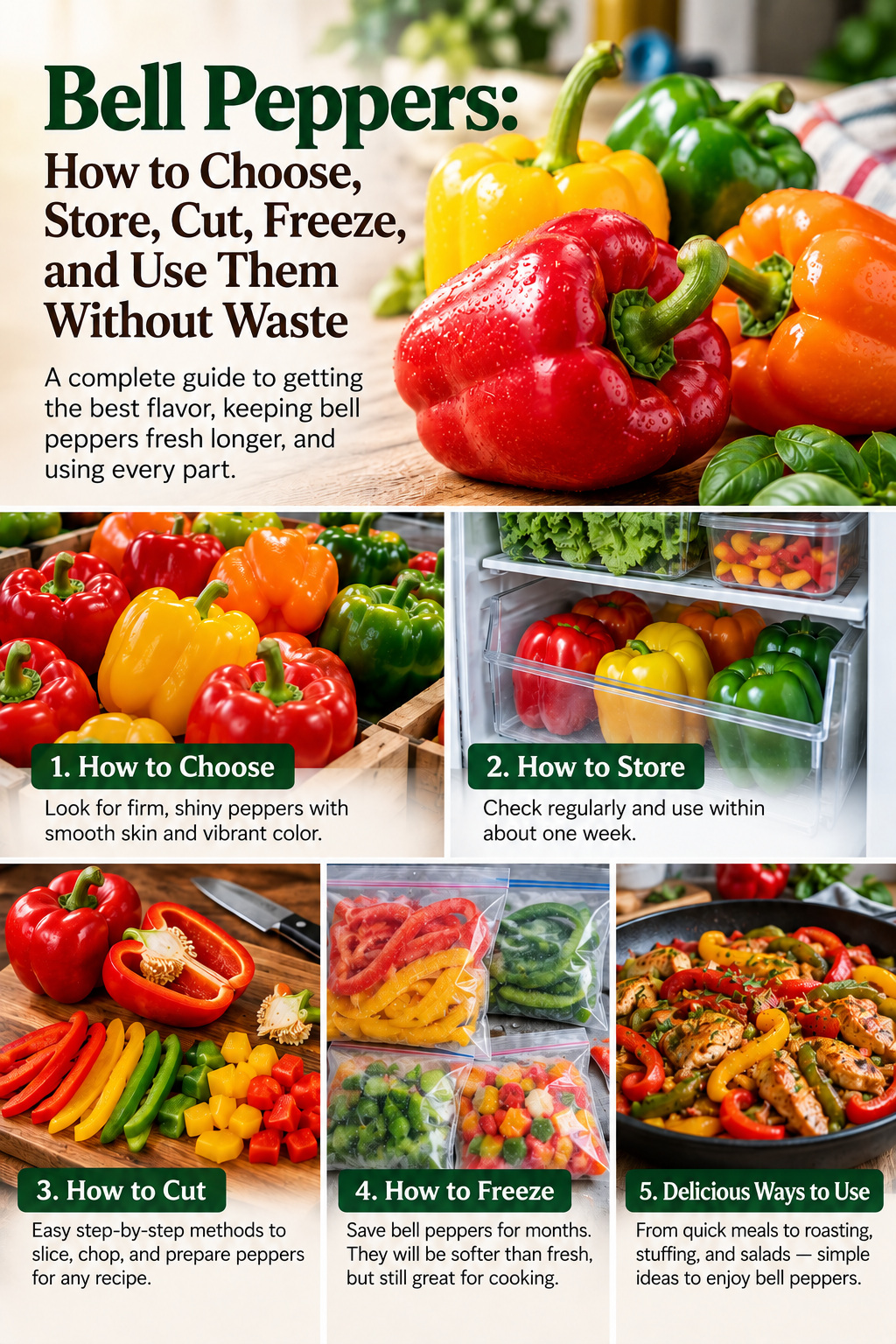
Bell peppers are easy to buy by color and forget in the vegetable drawer. Yet a few everyday choices—buying firm peppers, keeping them refrigerated, cutting only what you need, and freezing extras before they spoil—can make them easier to use and waste less food.
Green, yellow, orange, and red bell peppers can all be eaten raw or cooked. Pick a color for the flavor you want, but judge freshness by the pepper itself: firm flesh and sound skin matter more than a particular shade.
How to choose bell peppers at the store
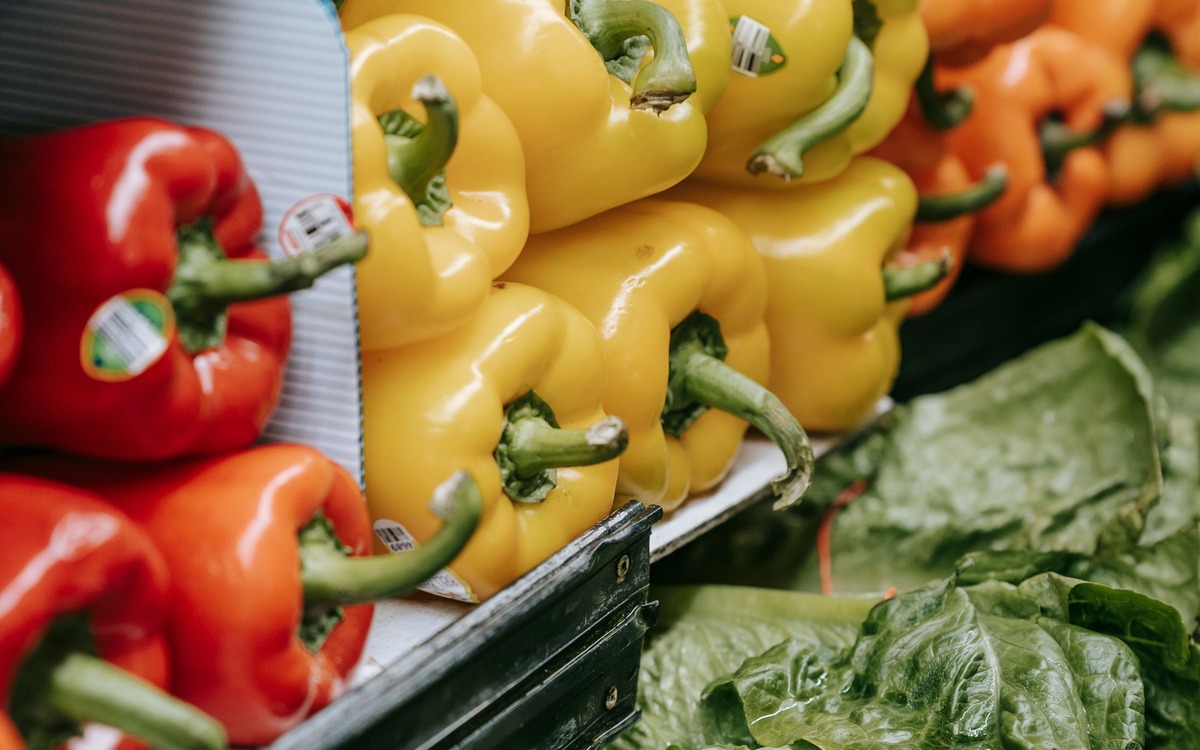
Look for peppers that feel firm, with taut, smooth skin and no mold, leaking areas, or deeply softened spots. Wrinkles and dull, shriveled surfaces often mean a pepper is past its best texture. University of Illinois Extension advises selecting firm peppers without wrinkles; the FDA advises avoiding bruised or damaged produce when possible.
Green peppers often taste more grassy or slightly bitter, while red peppers are typically sweeter. Yellow and orange peppers offer other sweet, mild options. If your recipe calls for raw crunch, buy the firmest peppers available. A discounted pepper with minor cosmetic irregularities may still be useful for cooking, but do not buy one that is visibly rotten.
Buy for your actual week, not just the per-pepper price. If you rarely cook with peppers, two firm ones may be a better deal than a bargain bag you cannot finish.
How to store whole bell peppers
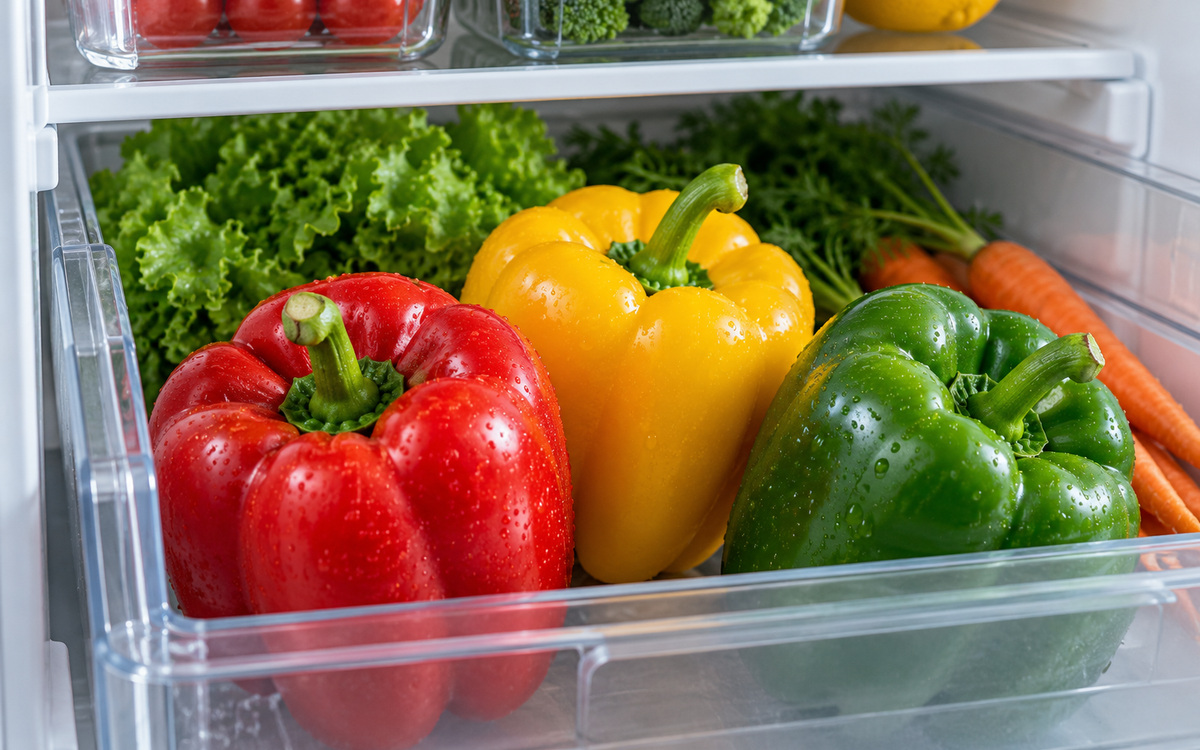
Put whole, uncut peppers in the refrigerator produce drawer rather than leaving them on a warm kitchen counter for days. University of Illinois Extension suggests keeping whole peppers in a bag in the crisper for up to about one week; individual freshness and refrigerator conditions still matter. Check your peppers regularly instead of treating that window as a guarantee.
Keep the refrigerator at 40°F (4°C) or colder for food safety. Use a clean bag or produce container that protects the peppers from getting crushed. Keep raw meat and its juices well away from vegetables you might eat raw.
Wait to wash a whole pepper until you are ready to cut it. Extra moisture left in storage can work against keeping the surface in good condition. If a pepper starts to wrinkle but remains firm and otherwise sound, plan to cook it soon instead of forgetting it in the drawer.
Wash first, then cut with less waste
Wash your hands, use a clean knife and board, and rinse the pepper under running water before cutting. FDA guidance says not to wash produce with soap, detergent, bleach, or commercial produce wash. Dry it with a clean towel before slicing.
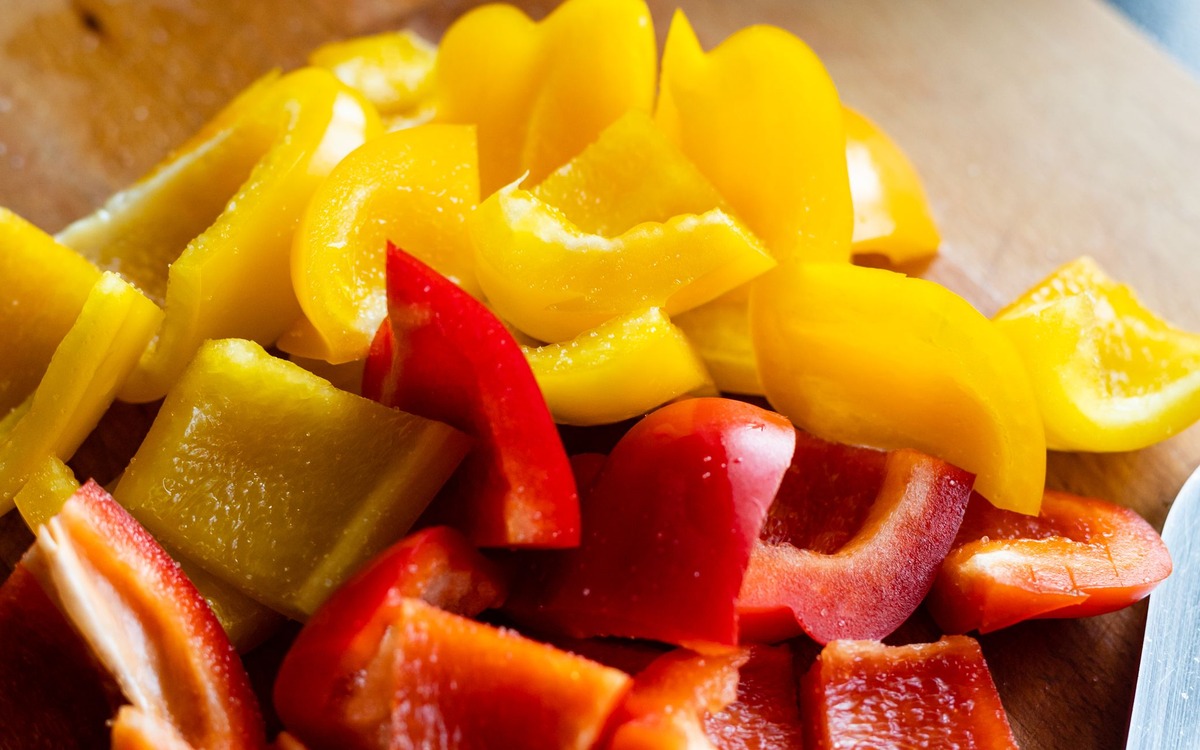
For quick strips, slice off the top, remove the stem, open the pepper and pull out the core and seeds. Lay the pieces flat and slice them into strips. For cubes, cut the strips crosswise. Another method is to cut around the pepper's sides while leaving most seeds attached to the core.
The stem, seeds and pale central core are usually removed because of texture and convenience. The firm pepper walls are the useful part; do not throw them away just because their shape is irregular. Add small trimmings to scrambled eggs, soups, stews or a skillet sauce.
Once cut, refrigerate peppers promptly in a covered container or sealed bag. Illinois Extension suggests using cut peppers within about three days for best handling and quality. Do not leave cut produce on the counter for an extended period.
Peppers often join onions in the same pan. If you want to prepare both ahead, see our guide to storing and freezing onions for the different rules that apply before and after cutting.
How to freeze bell peppers without a mushy surprise
Freezing is the simplest way to save peppers you will not eat soon. The National Center for Home Food Preservation explains that sweet peppers can be frozen raw or blanched: for the heated method, blanch halves for three minutes and strips or rings for two minutes, then cool and drain before packing. Its unheated method also allows raw peppers to be packaged and frozen.
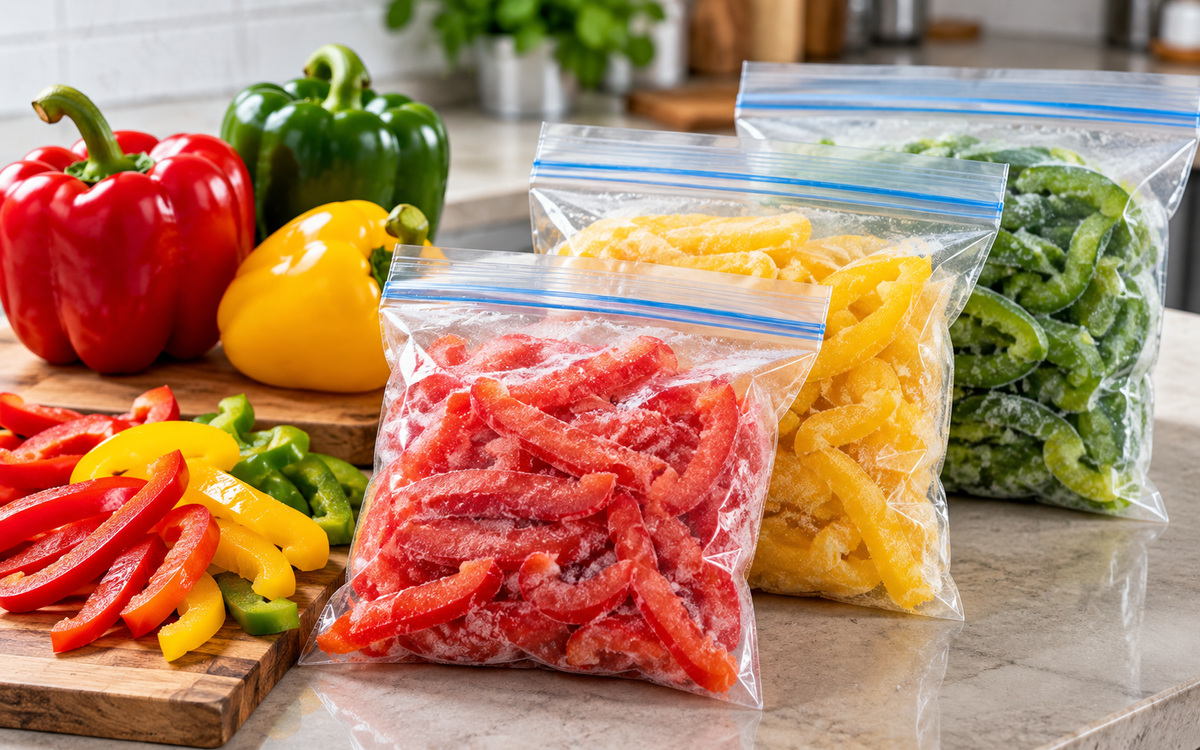
For a convenient no-blanch approach, wash the peppers, remove stems and seeds, and slice or chop them for your usual recipes. You can spread the pieces on a tray until firm, then transfer them to a labeled freezer bag to keep portions separate. Press excess air out of the package before sealing.
Freezing changes fresh-vegetable texture. Expect thawed peppers to be softer than crisp fresh ones, so use them directly in cooked dishes when crunch is not the point. The National Center for Home Food Preservation offers both raw and blanched freezing approaches; choose based on how you plan to use the peppers, not a promise of unchanged texture.
To plan a freezer-friendly vegetable mix, our tomato ripening, storage and freezing guide explains why frozen tomatoes are likewise best directed toward cooking instead of fresh salads.
Five simple ways to use peppers before they spoil
- Fast skillet dinner: soften pepper strips with onions and a little oil; add cooked beans, eggs or another ready-to-eat protein.
- Roasted tray: roast pepper pieces with zucchini or onions until tender and lightly browned.
- Crunchy snack: serve fresh, freshly cut strips with hummus or a yogurt dip.
- Soup starter: sauté diced peppers with aromatics, then add broth, beans or tomatoes.
- Freezer-friendly filling: cook extra chopped pepper with onions for future omelets, soups or fajitas.
Peppers that have lost a little snap can still be candidates for a cooked dish if there is no spoilage. Using them early is more effective than trying to rescue vegetables after rot develops.
When should you throw bell peppers away?
Discard a pepper that is visibly rotten, moldy, slimy, leaking, or extensively mushy. An isolated superficial blemish is not necessarily the same as widespread decay; the FDA says to cut away damaged or bruised areas before preparing produce, but to discard produce that looks rotten.
Do not rely on a precise number of days alone. Freshness when purchased, damage during transport, moisture and refrigerator conditions all affect how long peppers stay useful. If you cannot tell whether a pepper is badly spoiled, do not taste it to find out.
The low-waste bell pepper routine
- Choose firm peppers with smooth, sound skins.
- Refrigerate whole peppers in the produce drawer and use them within roughly a week for best quality.
- Rinse under running water before cutting, and keep cutting surfaces clean.
- Refrigerate cut peppers in a covered container and use them promptly.
- Freeze slices or diced peppers before their quality drops; expect some texture change after thawing.
- Use uneven trimmings in cooking and throw away peppers that are rotten, slimy or moldy.
Bottom line
Bell peppers do not need complicated handling. Firm peppers, a clean refrigerator, sensible portions and a freezer bag will do most of the work. Keep fresh ones for crunchy dishes, freeze the extras for cooking, and do not mistake freezing for a way to restore the texture of a deteriorating pepper.