Canned beans are one of the easiest pantry shortcuts to turn into a real meal. They are already cooked, inexpensive in many stores, easy to portion, and useful in everything from salads and tacos to soups and grain bowls. The main shopping questions are usually simpler than they look: which can should you buy, should you rinse the beans, and what can you do with them besides chili?
This guide gives you a practical system for choosing canned beans, managing sodium, storing leftovers, and using one can in several everyday meals.
Why canned beans are worth keeping around
Beans, peas, and lentils are unusually flexible foods. USDA MyPlate includes them in both the Vegetable Group and the Protein Foods Group, which reflects the mix of nutrients they provide and the different ways they can fit into a meal.
The practical advantage of canned beans is time. Dried beans are often cheaper per serving and give you more control over seasoning, but they need soaking or cooking time depending on the variety and method. Canned beans are already cooked, so they can go from pantry to plate in minutes.
That makes them especially useful for busy evenings, packed lunches, and backup meals when the refrigerator is nearly empty.
How to choose a can in the grocery store
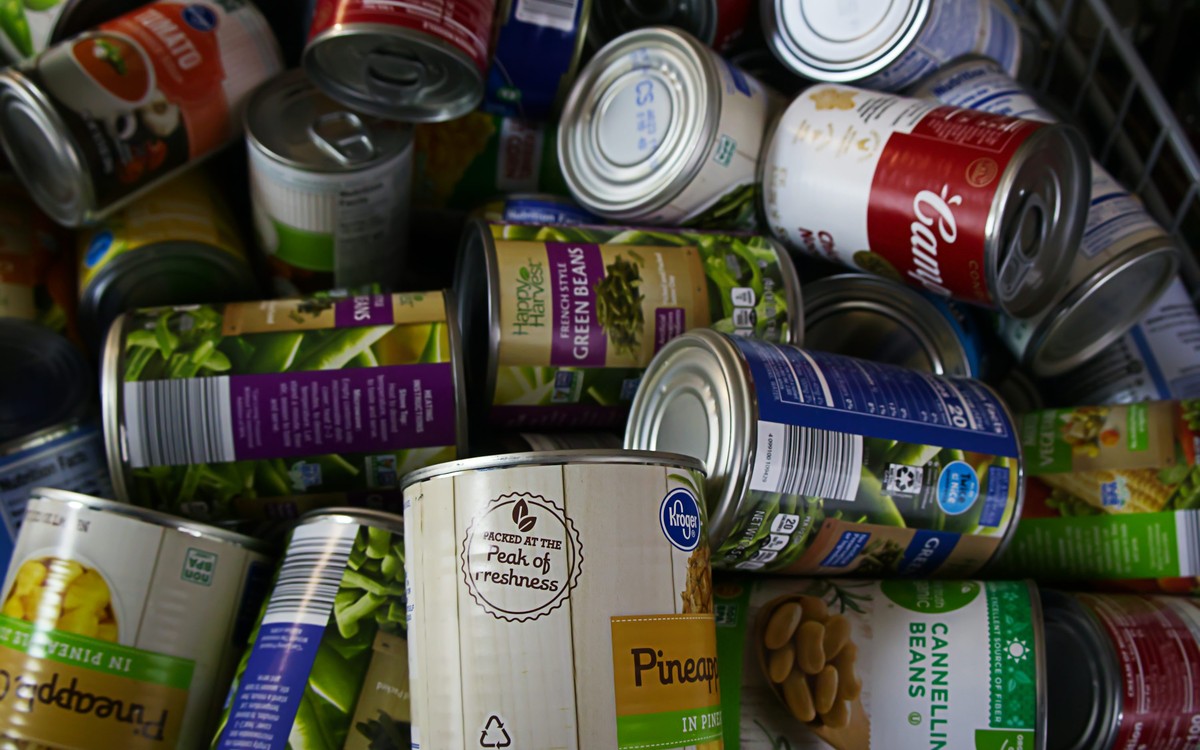
You do not need a premium brand. Start with the type of bean your recipe actually needs: black beans for tacos and bowls, chickpeas for salads and hummus-style spreads, kidney beans for chili, cannellini or great northern beans for soups, and pinto beans for burritos or quick refried-style dishes.
Then look at three parts of the label:
- Sodium: compare similar cans and choose a lower-sodium or no-salt-added version when that fits your needs.
- Ingredients: plain beans usually need only beans, water, and sometimes salt or a firming ingredient. Flavored varieties may contain sauces, added sugar, or substantially more sodium.
- Serving size: compare products using the Nutrition Facts serving size rather than assuming two similar-looking cans contain the same amount.
FDA guidance specifically recommends low-sodium or no-salt-added canned vegetables for people trying to reduce sodium, and it also recommends rinsing sodium-containing canned foods such as beans before eating.
Should you rinse canned beans?
For most salads, tacos, bowls, and quick skillet meals, draining and rinsing is a useful default. It removes the thick canning liquid, gives the beans a cleaner flavor, and removes some sodium. FDA guidance says rinsing sodium-containing canned foods can reduce some of the sodium, although the exact amount depends on the product and how it is drained and rinsed.
There are times when you may want to keep some of the liquid. In a soup, stew, or creamy bean dish, a little canning liquid can add body. Chickpea liquid can also be useful in specific recipes. In those cases, check the sodium on the label first and season the rest of the dish accordingly.
A simple routine works well:
- Open the can and drain it into the sink or a bowl.
- Transfer the beans to a fine-mesh strainer.
- Rinse under cool running water until the surface liquid is mostly gone.
- Shake off excess water before adding the beans to a salad, pan, or storage container.
What about protein and fiber?
Beans are useful because they contribute both plant protein and dietary fiber. Exact amounts vary by bean type, brand, serving size, and whether you are looking at canned, drained, or home-cooked beans, so it is better to use the Nutrition Facts panel on the product you actually buy than to memorize a single number.
If you are building a meal around beans, think beyond protein alone. Pair them with vegetables, a grain or starchy food, and a flavorful fat or sauce when that suits the meal. That usually produces a more complete and enjoyable plate than treating beans as an isolated “health food.”
7 easy meals from canned beans
1. Black bean taco bowls
Warm black beans with cumin, smoked paprika, and a splash of water. Serve over rice with shredded lettuce, tomato, salsa, corn, and avocado. Keep the toppings simple and use whatever is already in the refrigerator.
2. Chickpea crunch salad
Mix rinsed chickpeas with cucumber, tomato, bell pepper, herbs, lemon juice, and olive oil. Add feta if you like it, or keep the salad dairy-free. It works as a side dish or as a lunch with bread, pita, or a cooked grain.
3. White bean tomato toast
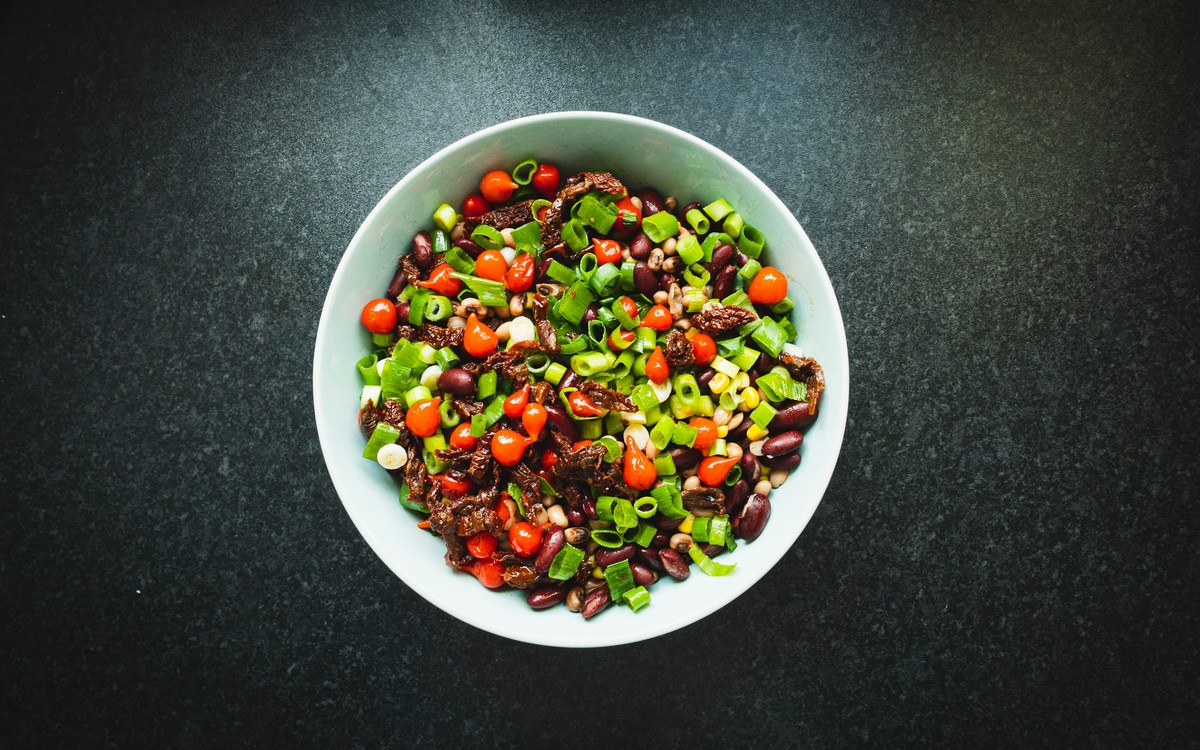
Mash cannellini beans lightly with olive oil, lemon, black pepper, and herbs. Spoon them onto toast and add chopped tomato or roasted vegetables. This is a useful way to turn one slice of bread into a more substantial lunch.
4. Fast bean-and-vegetable soup
Simmer canned beans with broth, frozen vegetables, canned tomatoes, and herbs. Add leftover rice, pasta, or greens near the end. This is one of the easiest ways to use small amounts of ingredients that are not enough for a separate meal.
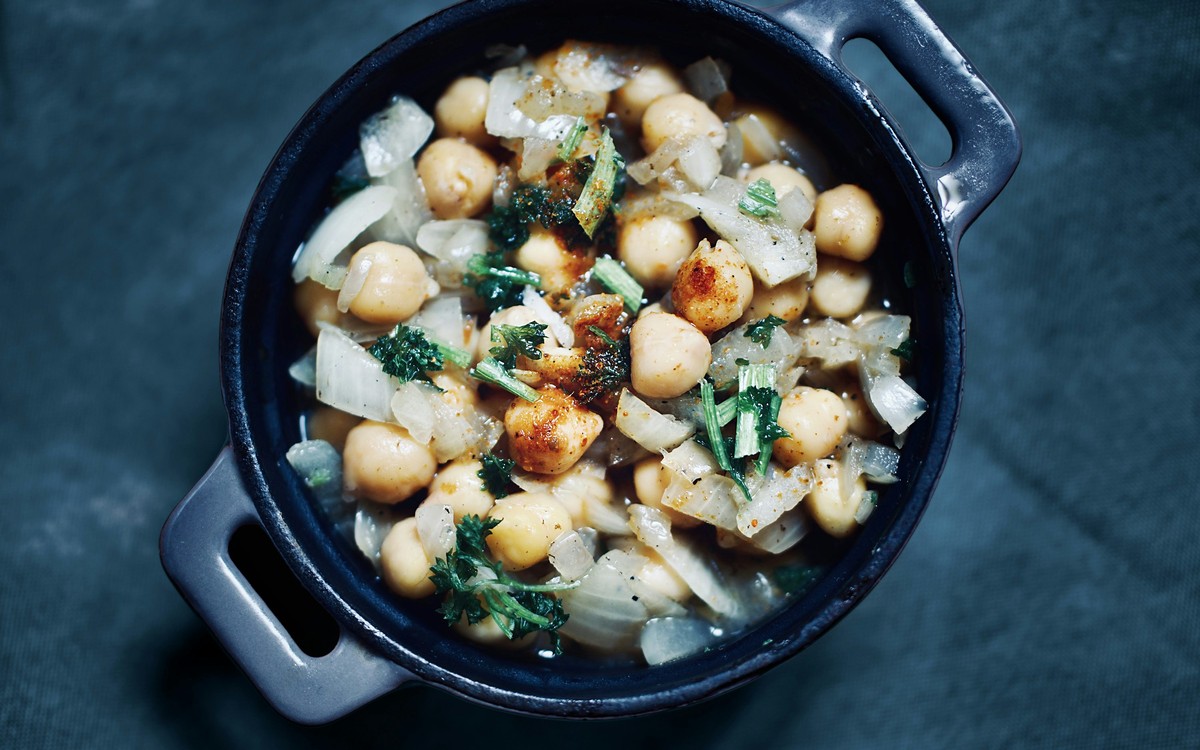
5. Chickpea skillet
Sauté onion or garlic in a little oil, add drained chickpeas, then add spinach, broccoli, zucchini, or another quick-cooking vegetable. Finish with lemon, herbs, or a spoonful of yogurt or tahini sauce.
6. Quick smashed bean wrap
Mash pinto or black beans with salsa, lime, or a little plain yogurt. Spread onto a tortilla and add shredded cabbage, lettuce, peppers, or cheese. It is faster than cooking a separate filling and travels well if wet ingredients are kept under control.
7. Pasta with white beans and greens
Add drained white beans to pasta with spinach or kale, garlic, olive oil, and a little pasta water. The beans make the meal more substantial without requiring a separate meat-based sauce.
A simple formula for improvising
When you do not want a recipe, use this four-part formula:
- 1 bean: black beans, chickpeas, kidney beans, pinto beans, or white beans.
- 1 produce component: fresh vegetables, frozen vegetables, greens, salsa, or leftover roasted vegetables.
- 1 base: rice, potatoes, pasta, bread, tortillas, quinoa, or another grain.
- 1 strong flavor: salsa, pesto, lemon and olive oil, tahini, curry paste, herbs, spices, or yogurt sauce.
That structure is flexible enough to make a bowl, wrap, soup, salad, toast, or skillet without buying a long list of special ingredients.
Budget tips that actually help
Compare unit prices rather than assuming canned or dried is always cheaper. Dried beans often win on cost per cooked serving, but canned beans can still be a good value when the time savings prevents unused groceries or takeout.
Store-brand canned beans are usually worth checking first. Buy flavored varieties only when the flavor is something you genuinely want; otherwise, plain beans are more versatile because you can season them differently from meal to meal.
If you use beans frequently, a practical pantry might include two neutral cans such as chickpeas or white beans plus one darker bean such as black or kidney beans. That gives you enough variety without turning the pantry into a collection of cans you forget to use.
How to store beans after opening the can
Once a can is opened, refrigerate the unused beans. USDA FSIS classifies beans as low-acid canned food and recommends using opened low-acid canned foods within about 3 to 4 days in the refrigerator. It is safe to refrigerate leftovers in the opened can, but transferring them to a clean glass or food-grade plastic container generally preserves flavor and quality better.
If you know you will not use the remainder within that window, freeze it in a freezer-safe container in a portion that will be easy to use later.
Common mistakes to avoid
- Assuming every canned bean is very salty: sodium varies widely, so compare labels.
- Assuming rinsing removes all sodium: it removes some, not necessarily all.
- Buying only flavored beans: they are convenient but less flexible and may contain more sodium or added sugar.
- Forgetting opened cans in the refrigerator: move leftovers into a visible container and use them within the recommended storage window.
- Treating beans as a complete meal by themselves: they are more useful when combined with vegetables, grains or starches, and flavor.
The takeaway
Canned beans are not a compromise food. They are simply a convenient form of a useful staple. Choose the bean that fits the meal, compare sodium when it matters to you, rinse when that improves the dish, and keep a few simple combinations in mind.
One can can become tacos tonight, a salad tomorrow, or the base of a quick soup later in the week. That kind of flexibility is what makes canned beans worth keeping in the pantry.
Sources
- USDA MyPlate — Vegetable Group and Protein Foods Group
- U.S. Food and Drug Administration — Sodium in Your Diet
- USDA WIC Works — What Do I Do With Beans?
- USDA Food Safety and Inspection Service — storage guidance for opened canned foods



No comments:
Post a Comment