Berries are one of the easiest foods to waste. They can look perfect at the store and turn soft or moldy only a few days later, especially if they are bruised, wet, or packed too tightly. The good news is that a few simple habits can make a noticeable difference.
The practical goal is to buy berries that are dry and sound, keep them cold without trapping extra moisture, wash them only when you are ready to use them, and freeze extras before they start to decline. When mold appears, treat berries as a soft fruit rather than trying to salvage the visibly clean part of the same berry.
Choose dry, plump berries with as little damage as possible
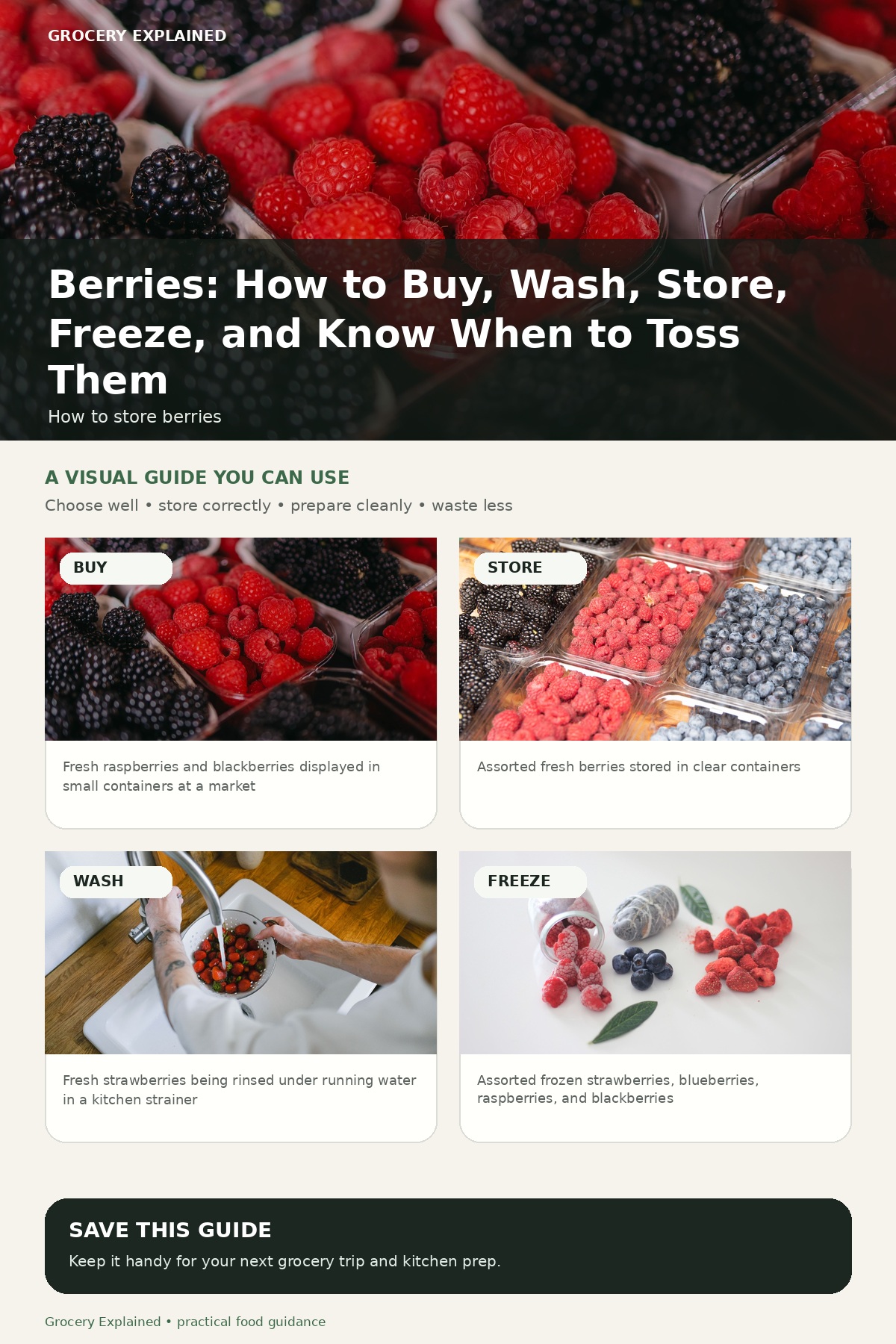
Start by looking through the container rather than judging only the top layer. The FDA recommends choosing produce that is not bruised or damaged when possible. Utah State University Extension also recommends choosing ripe berries that are firm or plump for their type and free of mold. For everyday shopping, look for bright color, sound fruit, and no leaking juice.
Check the bottom and corners of the package for crushed fruit, wet spots, fuzzy growth, or juice pooling. Extra moisture and damaged fruit are warning signs that the package may decline quickly. Fragile berries such as raspberries and blackberries will never feel as firm as blueberries, so judge each type by what fresh examples of that berry normally look like.
If you know you will not eat the berries within the next few days, buying a smaller amount or planning to freeze part of the package can prevent waste.
Keep berries cold, but do not trap extra moisture
Perishable produce belongs in the refrigerator. FDA consumer guidance recommends keeping the refrigerator at 40°F (4°C) or below. Berries also benefit from airflow and from staying as dry as practical during storage.
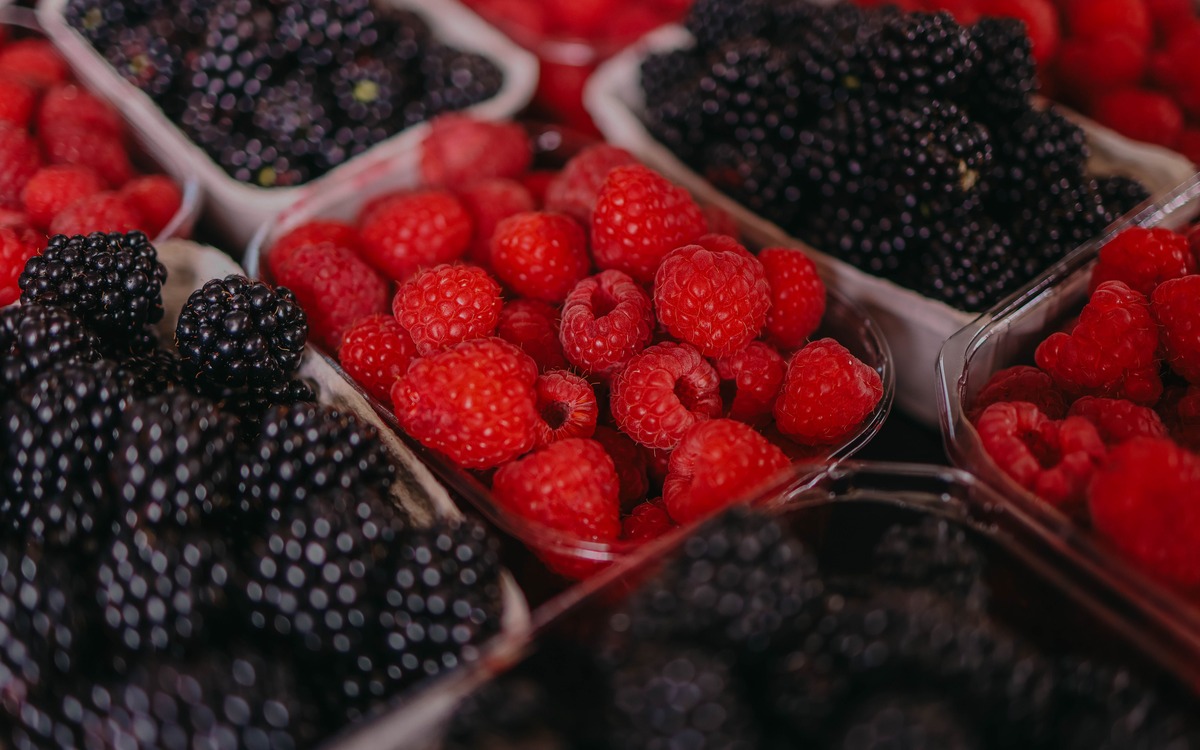
If the original package is ventilated and the berries are dry and undamaged, it is usually fine to keep using it. A breathable container can also work. Avoid deep, tightly packed containers that crush the lower fruit, and keep berries dry until you are ready to wash them.
Fresh-berry storage time varies by type and starting condition. Utah State University Extension gives very short refrigerator windows for fragile berries such as blackberries, raspberries, and strawberries, while blueberries may last longer. A practical household target is to use most berries within roughly 3–7 days and freeze extras sooner if quality is starting to slip; blueberries can sometimes keep longer when they start in excellent condition.
Before refrigerating them, remove any berries that are already leaking, badly crushed, or visibly moldy. USDA guidance notes that mold spreads quickly in fruits and vegetables, so catching a problem early can help protect the rest of the container.
Wait to wash berries until you are ready to eat or use them
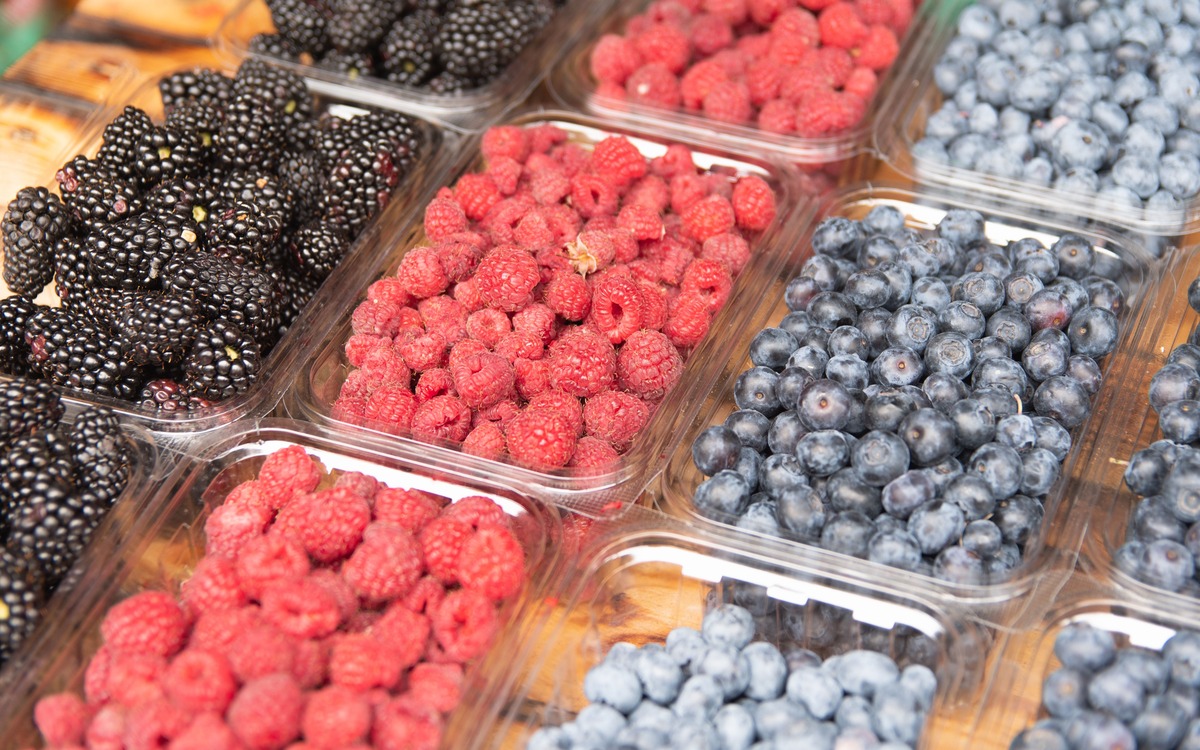
Washing produce is important, but timing matters for berry quality. University of Minnesota Extension advises waiting to wash delicate produce such as berries until you are ready to prepare or eat it because washing can shorten shelf life.
When you are ready, rinse berries under cool running water. FDA guidance says plain running water is enough; soap, detergent, bleach, and commercial produce washes are not recommended. Handle the fruit gently, because bruising creates more damaged tissue and can speed quality loss.
A colander or strainer works well for strawberries, blueberries, raspberries, and blackberries. Avoid leaving delicate berries soaking in a bowl for a long time. After rinsing, let excess water drain and use a clean towel or paper towel if you need to dry them before serving or freezing.
What to do when one berry is moldy or badly deteriorated
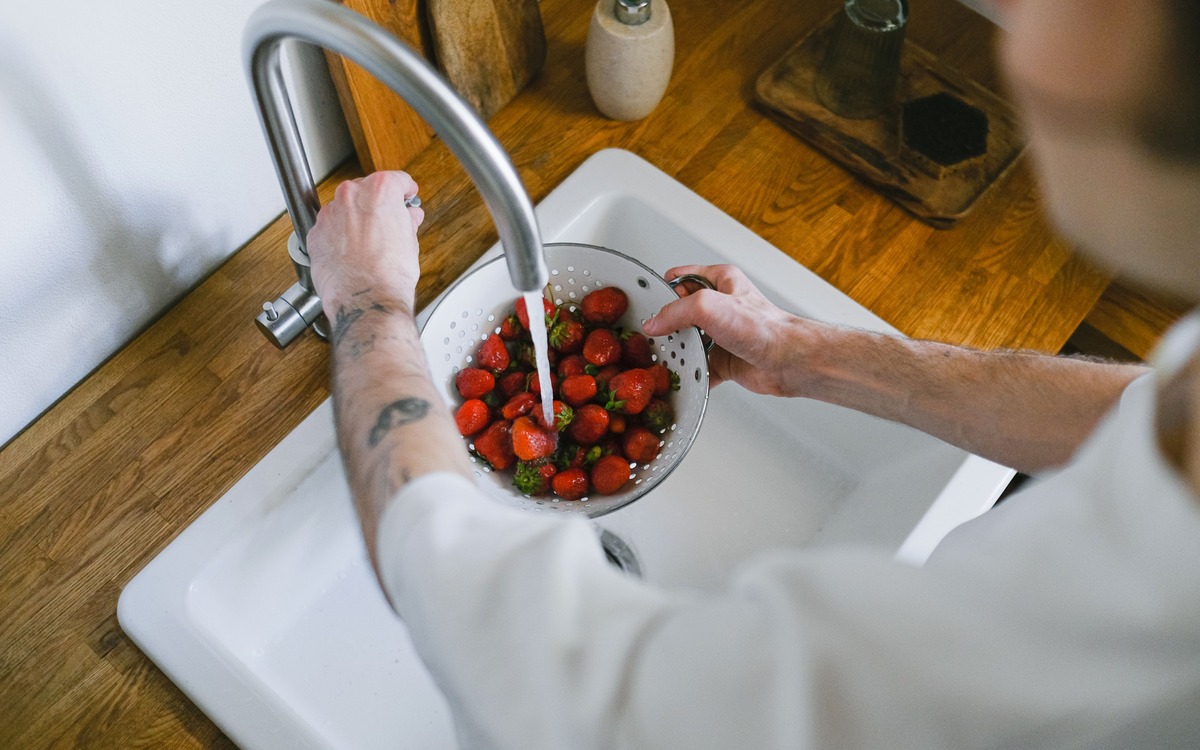
Berries are soft, high-moisture fruit. USDA Food Safety and Inspection Service guidance says mold can penetrate soft fruit below the surface where you cannot see it. A moldy berry should therefore be discarded rather than trimmed and eaten.
If you find a few moldy berries in a container, USDA advises throwing away the moldy pieces and any fruit directly touching them. Then inspect the remaining berries carefully. If the rest show no mold and are not overly mushy, wash them thoroughly before eating.
A few soft or bruised berries do not automatically mean the entire package must be discarded: remove the damaged berries and inspect what remains. But fruit that is moldy, slimy, leaking badly, overly mushy, or has an obvious off or yeasty smell should be thrown away. FoodSafety.gov also lists mold, yeasty odor, and sliminess as signs that fruit should be discarded.
Do not sniff moldy berries closely. Mold spores can irritate the respiratory system. Also check the container and nearby produce, because mold can spread from one piece of fruit to another.
Freeze berries before they become overripe
Freezing is one of the best ways to save berries you will not use in time. The National Center for Home Food Preservation recommends selecting ripe, sound fruit, washing it, draining or drying it as needed, and freezing it promptly.
For loose berries that are easy to portion later, spread clean, dry berries in a single layer on a tray and freeze until firm. Then transfer them to a freezer bag or freezer-safe container. This tray-freezing step helps prevent one large frozen block and makes it easier to take out only what you need.
University of Minnesota Extension notes that properly frozen foods retain high nutritional value. Texture will soften after thawing, which is normal, so frozen berries are especially useful for smoothies, oatmeal, sauces, baking, yogurt, and cooked dishes.
Do not wash with soap, vinegar is not required, and more treatment is not always better
There is no need to turn berry washing into a complicated chemical routine. FDA advice is straightforward: rinse produce thoroughly under running water and do not use soap, detergent, bleach, or commercial produce wash.
Some households use vinegar-water mixtures as a quality-management habit, but this is not required by FDA food-safety guidance and should not replace normal refrigeration, clean hands, clean utensils, and discarding moldy soft fruit. If your goal is simply safe everyday preparation, cool running water is the standard approach.
A simple routine that reduces berry waste
- At the store, check the bottom of the container for leaks, crushed berries, and mold.
- Refrigerate promptly at 40°F (4°C) or below and keep the berries dry.
- Remove leaking, badly crushed, overly mushy, or moldy fruit as soon as you notice it.
- Wait to wash berries until you are ready to use them.
- Rinse gently under cool running water without soap or special cleaners.
- Freeze extras while they are still in good condition rather than waiting until they are overripe.
Bottom line
Fresh berries last best when they start out dry and undamaged, stay cold, and are handled gently. Washing right before use helps preserve quality, while freezing is the easiest rescue plan for berries you cannot finish in time.
And when mold appears, remember that berries are soft fruit: discard the moldy pieces and any berries directly touching them instead of trying to cut around the problem.