Canned tuna is one of the easiest shelf-stable proteins to keep around, but the tuna aisle can be surprisingly confusing. Light or albacore? Water or oil? Regular or lower sodium? The best choice depends on how often you eat tuna, what you are making, and what the Nutrition Facts label actually says.
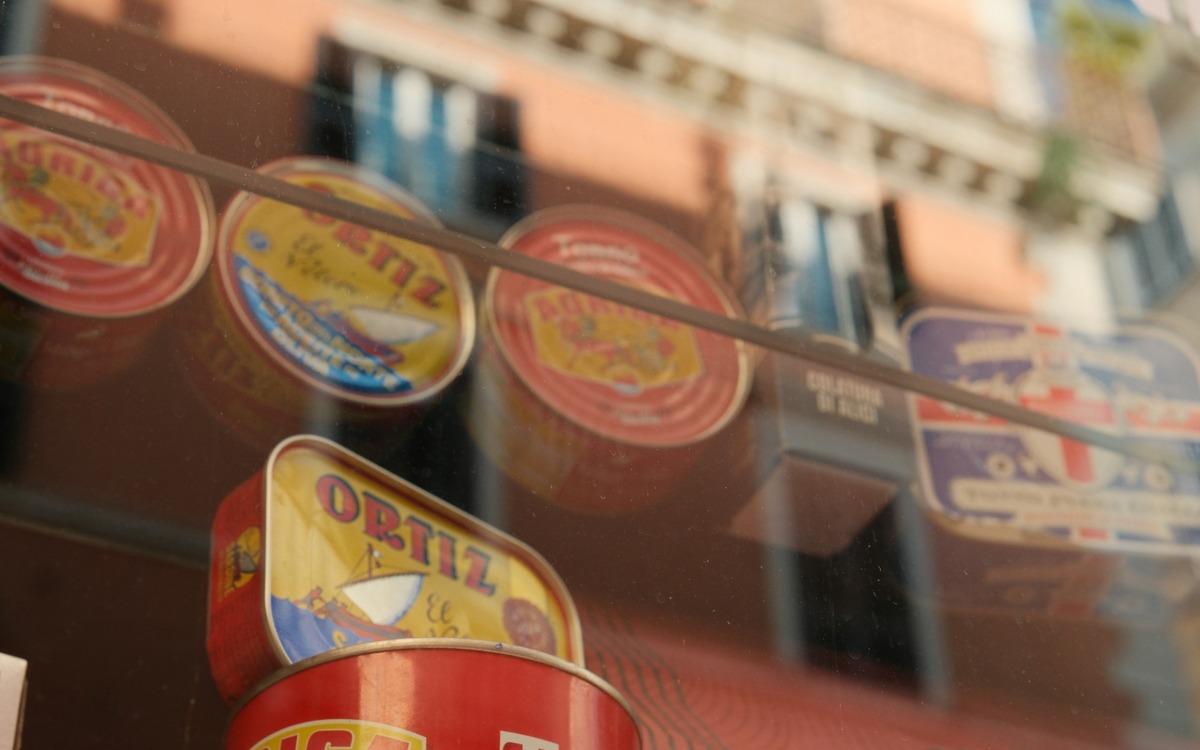
Start with the type of tuna
The most useful distinction is not the color of the can or the marketing language on the front. It is the species or style of tuna inside. FDA and EPA place canned light tuna, which commonly includes skipjack, in their Best Choices category for people who are pregnant or breastfeeding and for children. Albacore, or white tuna, is a Good Choice and typically contains about three times as much mercury as canned light tuna. Bigeye tuna is in the Choices to Avoid category for those groups.
For adults who are not in those higher-sensitivity groups, variety is still a sensible habit. Tuna can be convenient, but it does not need to be your only fish. Salmon, sardines, trout, shrimp, and other seafood can add different flavors and nutrients to the week.
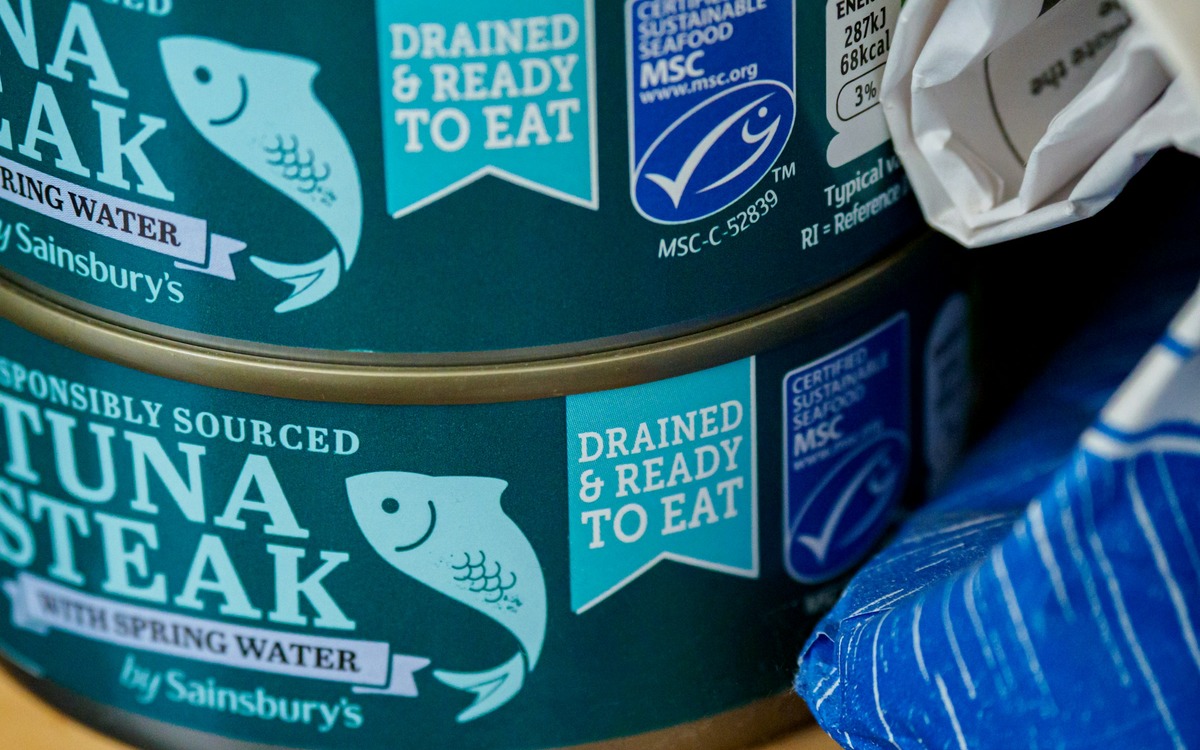
Water-packed versus oil-packed
Neither version is automatically the “healthy” one. Water-packed tuna is usually easier to use when you want a neutral flavor or plan to add your own dressing. Oil-packed tuna can taste richer and may work especially well in toast, pasta, bean salads, and grain bowls.
Instead of assuming, compare the labels. Check the serving size, calories, total fat, and sodium on two products you would realistically buy. If you drain the tuna, remember that the label is still the best standardized comparison available at the store.
Use sodium as a comparison tool
Canned foods can vary substantially in sodium. FDA lists the Daily Value for sodium as less than 2,300 mg per day and uses a simple label-reading guide: 5% Daily Value or less per serving is considered low, while 20% or more is considered high. You do not need to chase the lowest number on the shelf, but comparing similar cans can be useful if tuna is something you eat often.
“Reduced sodium” and “low sodium” are useful clues, but still read the Nutrition Facts panel. Serving sizes and formulations differ between products.
Turn one can into a balanced meal
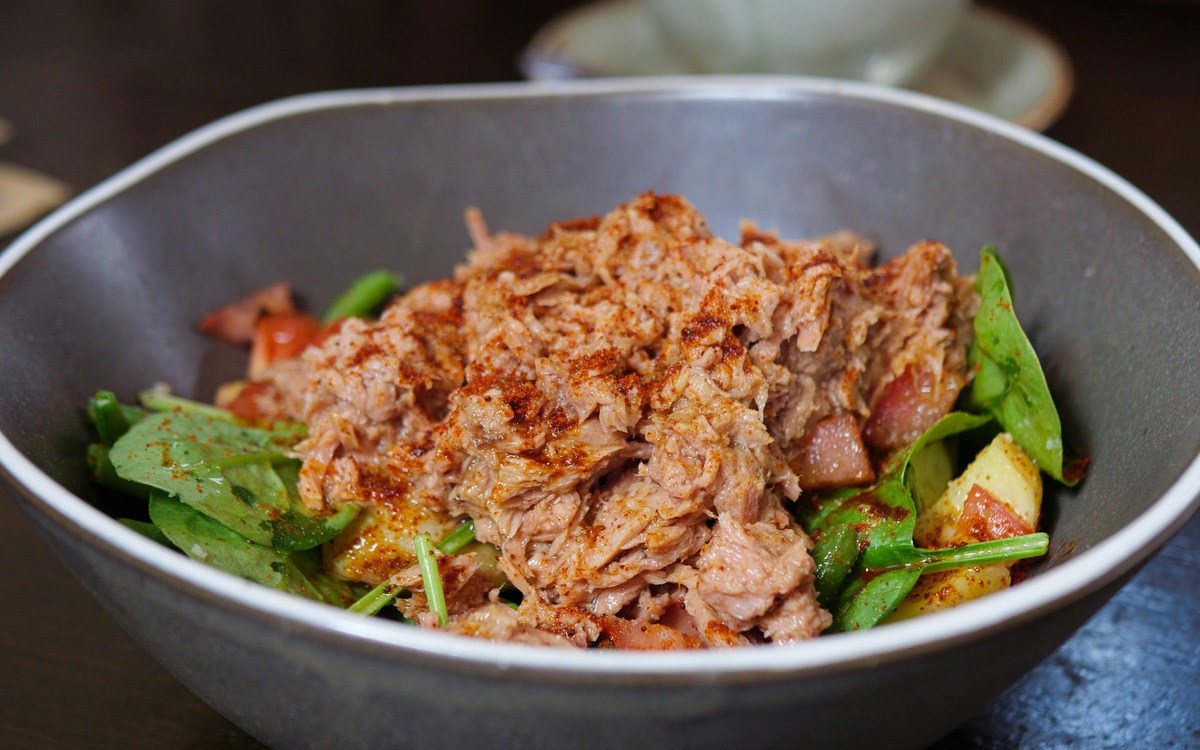
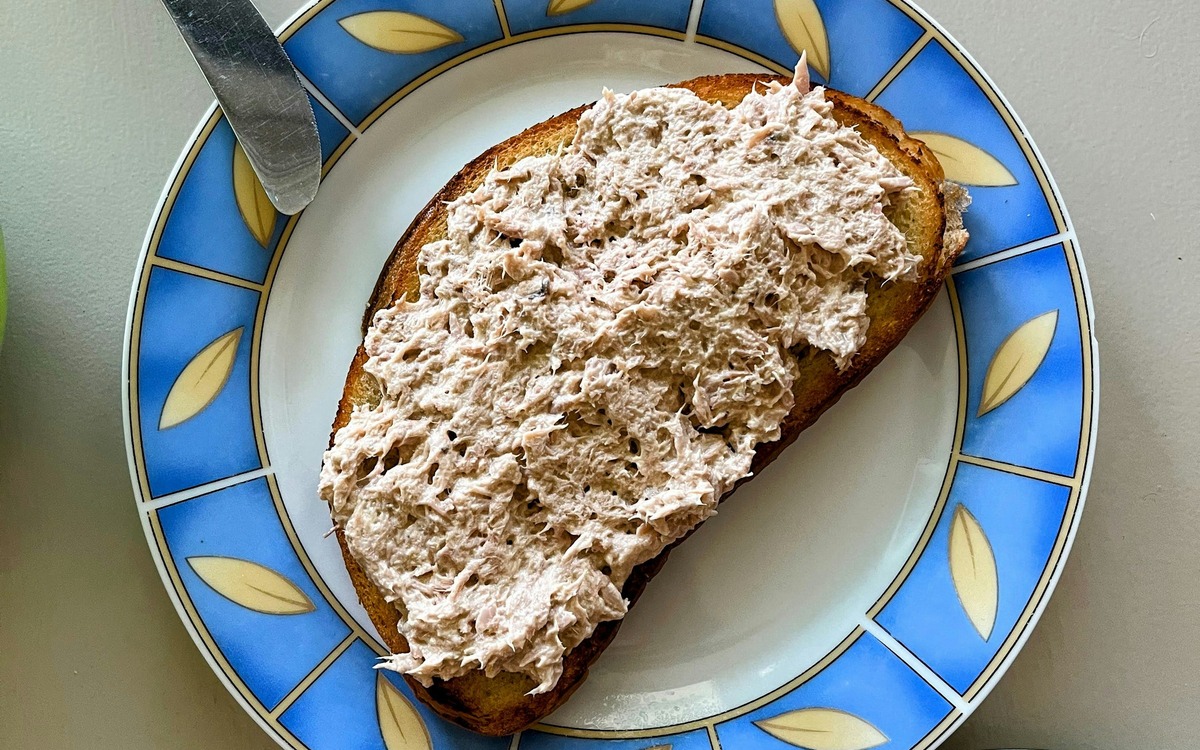
Tuna is more useful when you treat it as one component rather than the whole meal. Mix it with chopped celery, cucumber, peppers, beans, corn, herbs, lemon, yogurt, mayonnaise, olive oil, or mustard depending on the texture and flavor you want.
For a quick lunch, pair tuna with whole-grain toast and vegetables. For dinner, add it to a potato-and-green-bean salad, pasta with tomatoes and capers, or a rice bowl with crunchy vegetables. The goal is not a perfect recipe; it is a meal you can assemble from ingredients you already use.
What about mercury?
Mercury advice matters most for people who might become or are pregnant, people who are breastfeeding, and young children. FDA/EPA advice says canned light tuna is a Best Choice and can fit within 2 to 3 servings of Best Choice fish per week for adults in those groups. Albacore is a Good Choice; when choosing fish from that category, the advice is one serving that week and no other fish that week. Portion guidance for children is smaller and age-dependent.
If this advice applies to you or your family, use the current FDA/EPA fish chart rather than relying on a generic “tuna is good” or “tuna is bad” rule.
Store unopened and opened tuna differently
Commercially canned tuna is shelf-stable, so keep unopened cans in a cool, dry pantry and avoid cans that are bulging, leaking, heavily rusted, or deeply dented. USDA says commercially canned fish such as tuna can keep for years in the pantry, although quality is best when you rotate what you buy instead of stockpiling indefinitely.
Once opened, tuna becomes refrigerated food. USDA guidance for low-acid canned foods, including fish, is generally 3 to 4 days in the refrigerator. It is safe to refrigerate leftovers in the opened can, but transferring them to a glass or plastic container can preserve flavor and quality better.
A 60-second canned tuna checklist
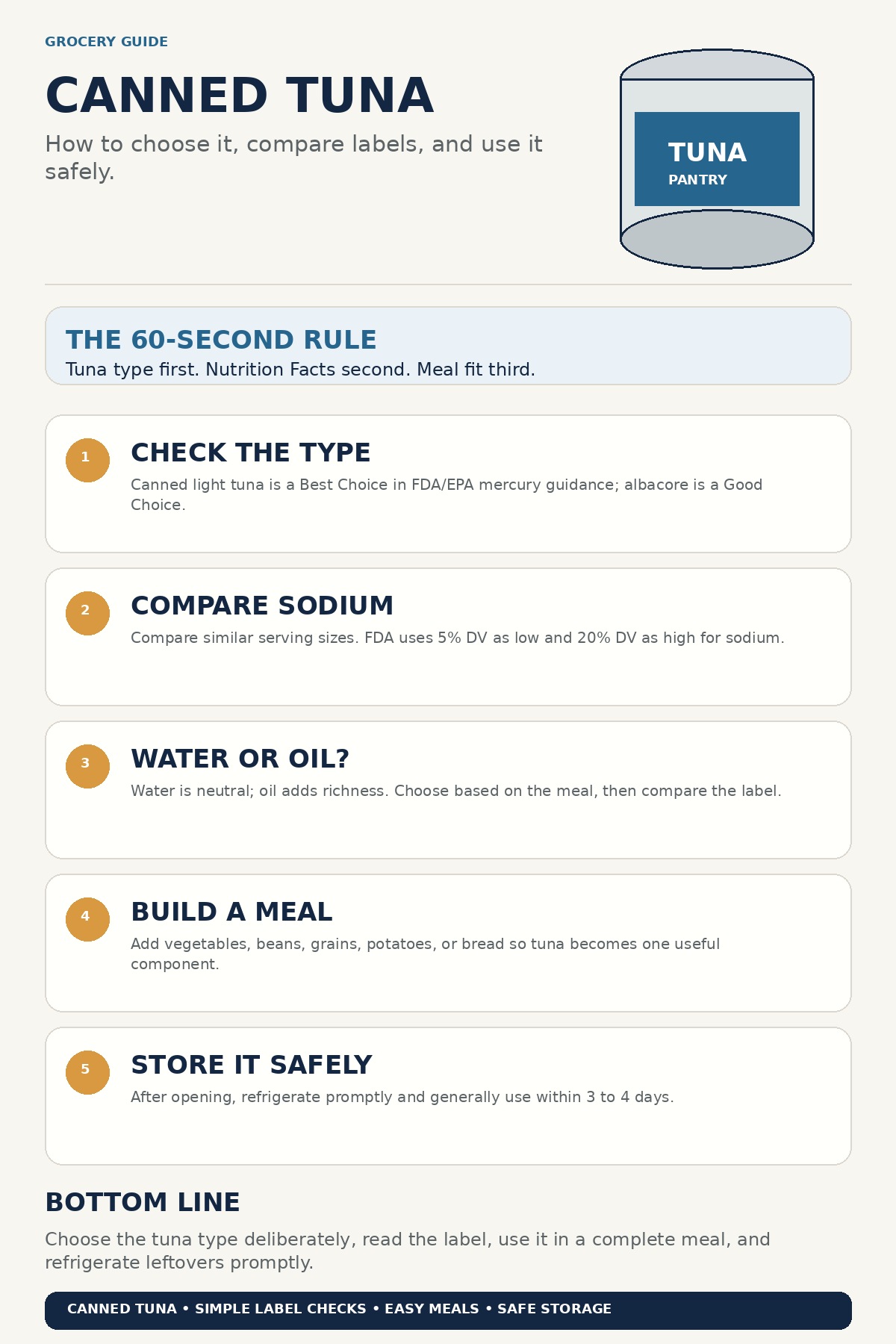
- Check the tuna type: canned light and albacore are not interchangeable in mercury guidance.
- Compare like with like: look at serving size, sodium, calories, and fat across products you would actually use.
- Choose water or oil for the meal: water is neutral; oil can add richness.
- Build around it: add vegetables, grains, beans, potatoes, or bread instead of eating tuna as a stand-alone meal.
- Refrigerate leftovers promptly: use opened tuna within about 3 to 4 days.
Bottom line
The best canned tuna is not one universal product. Choose the type that fits your mercury considerations, compare sodium and serving sizes on the label, pick water or oil based on how you cook, and use the can as a shortcut to a more complete meal. A few seconds of label reading makes the tuna aisle much simpler.



No comments:
Post a Comment