Milk is one of those groceries that seems simple until you are standing in front of a crowded dairy case. The useful questions are practical: Is it pasteurized? Does it need refrigeration before opening? Where should it go when you get home? And how long can it safely sit on the counter?
Start with pasteurized milk
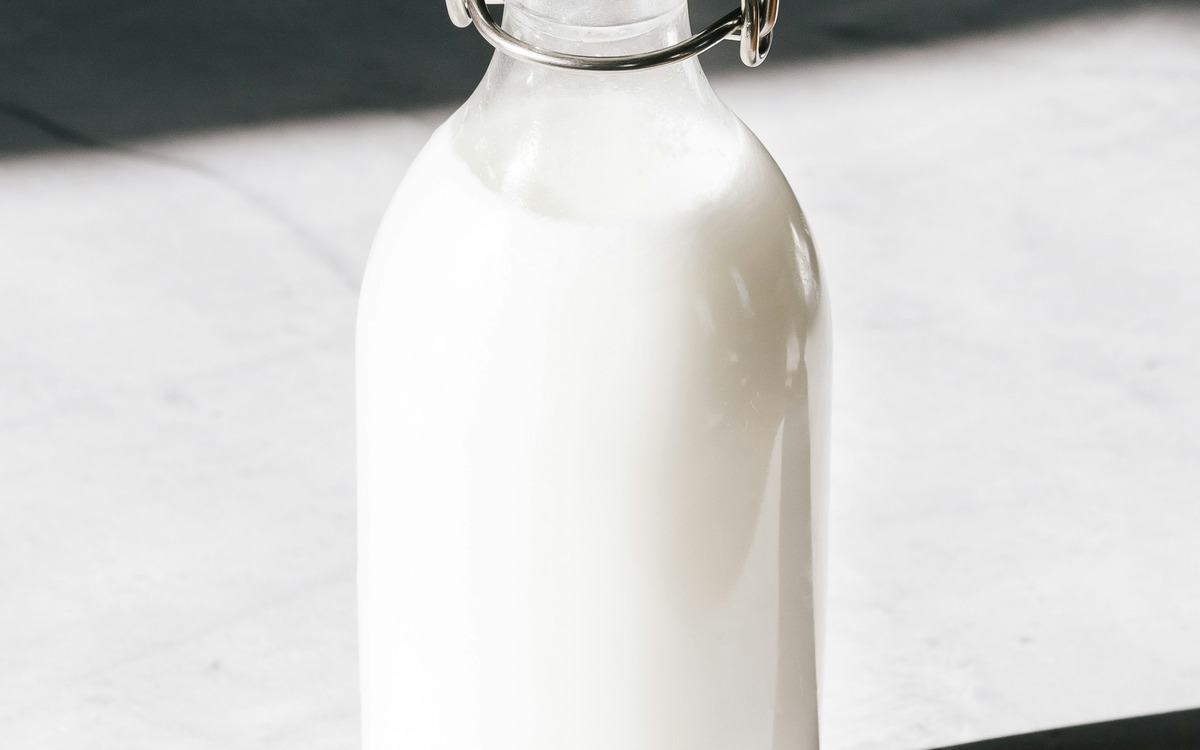
For everyday shopping, choose milk labeled pasteurized. Pasteurization uses heat to kill harmful germs. Raw, or unpasteurized, milk can carry pathogens including Salmonella, E. coli, Listeria, and Campylobacter. FDA notes that pasteurization does not make milk shelf-stable by itself: ordinary pasteurized milk still needs proper refrigeration.
Know which package you are buying
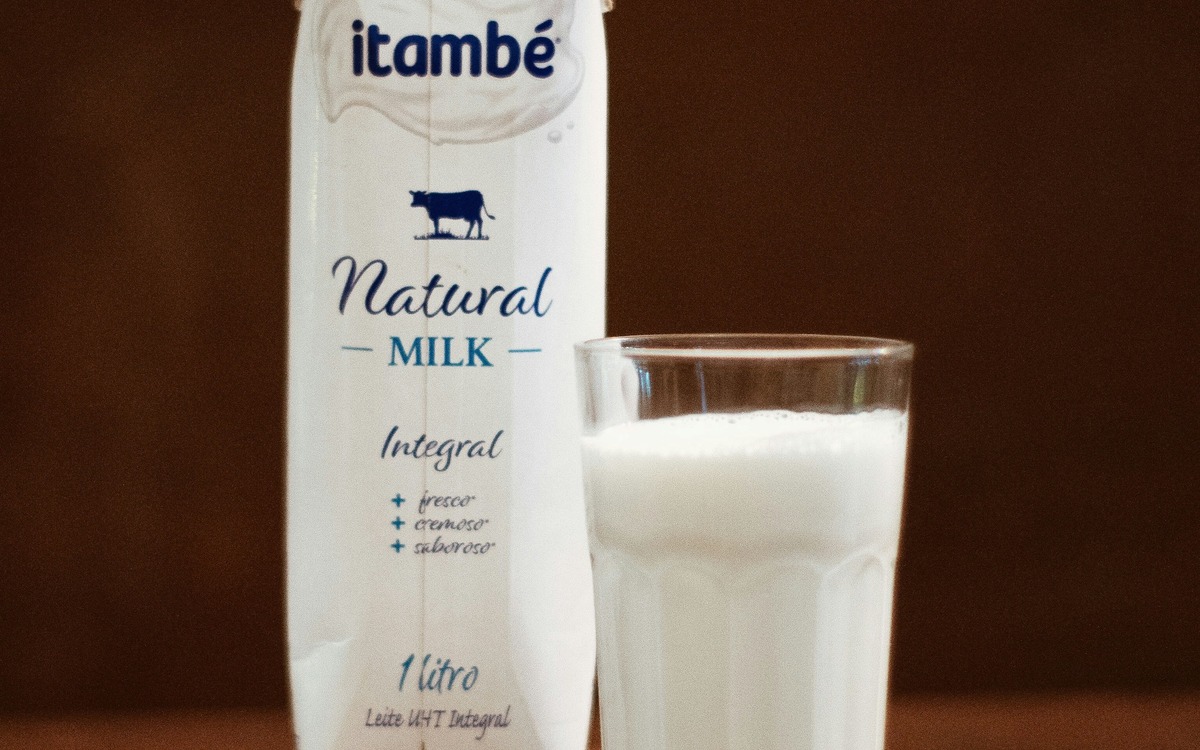
Most milk in the refrigerated dairy case must stay cold. Shelf-stable UHT milk is different: an unopened aseptic package can be stored according to its label without refrigeration, but after opening it must be refrigerated. Do not assume that every carton is shelf-stable just because it looks similar to a UHT carton; follow the storage directions printed on that specific package.
At the store, take refrigerated milk near the end of your trip. Check that the package is sealed and not leaking, swollen, or damaged. Compare dates, but remember that a printed date is not a substitute for temperature control and package instructions.
Get refrigerated milk cold quickly
FDA recommends keeping milk and milk products at 40°F (4°C) or below. Put refrigerated milk away promptly after shopping rather than leaving it in the car or on the kitchen counter while you do other tasks.
The general two-hour rule applies to dairy that requires refrigeration: do not leave it at room temperature for more than two hours. When the air temperature is above 90°F (32°C), that limit drops to one hour. If milk has spent too long warm, putting it back in the refrigerator does not undo the time it spent in conditions that favor bacterial growth.
Use the refrigerator, not guesswork
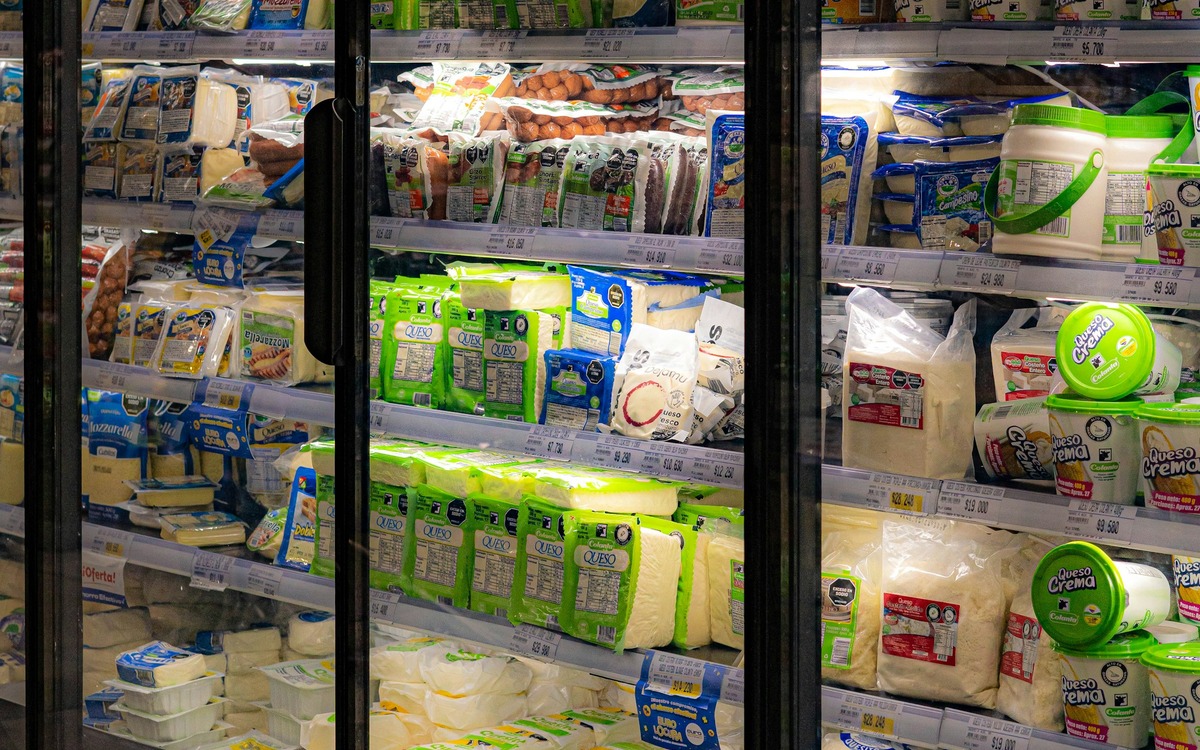
A refrigerator thermometer is more reliable than judging temperature by touch. Keep the refrigerator at 40°F (4°C) or colder and avoid packing it so tightly that cold air cannot circulate. Keep milk covered and close the container promptly after pouring.
For quality, a consistently cold part of the refrigerator is a better choice than a location that repeatedly warms during normal use. Follow the package's date and storage directions, and use ready-to-eat perishable foods promptly. If milk develops an off odor, flavor, texture, or other clear signs of spoilage, discard it.
Pour what you need and keep the container clean
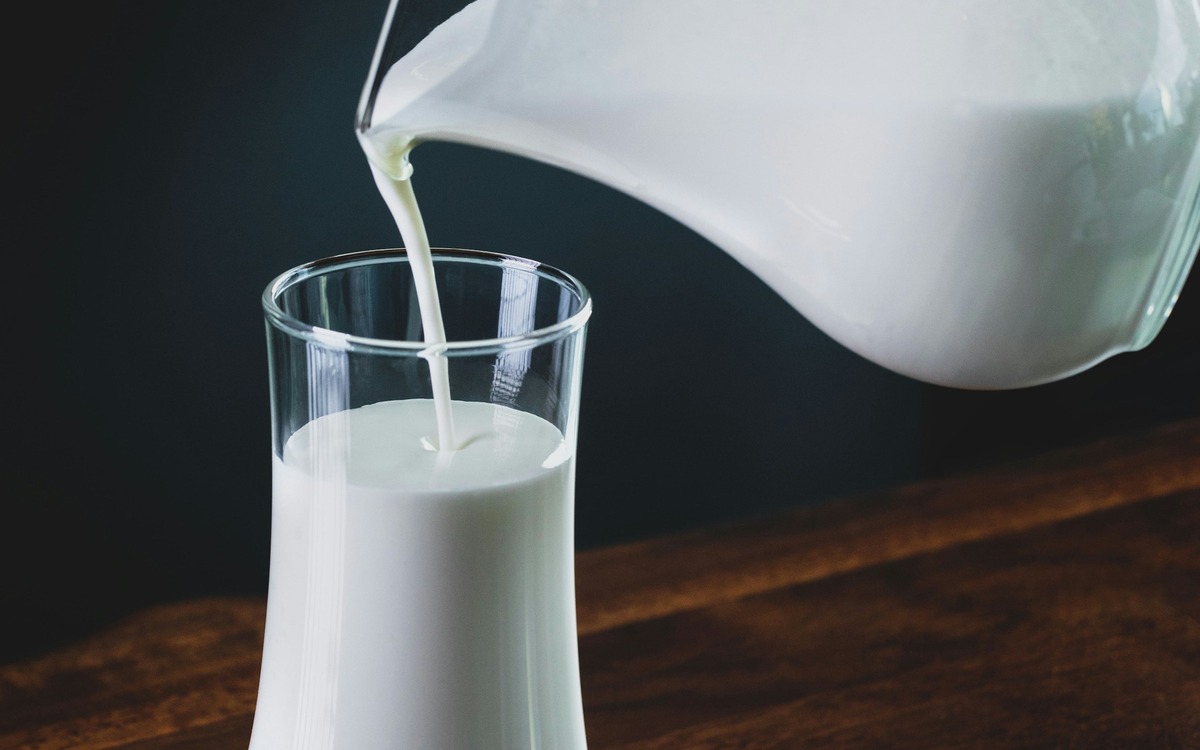
Use a clean glass or measuring cup and avoid drinking directly from a shared container. Pour the amount you need, close the package, and return it to the refrigerator. These small habits reduce unnecessary warming and help keep the rim and cap cleaner.
What about raw milk?
Raw milk is not simply a fresher version of pasteurized milk. FDA states that unpasteurized milk can contain disease-causing germs and that claimed health advantages of raw milk have not been scientifically established. Children, pregnant people, older adults, and people with weakened immune systems can face especially serious consequences from foodborne illness, but raw milk can make healthy people sick too.
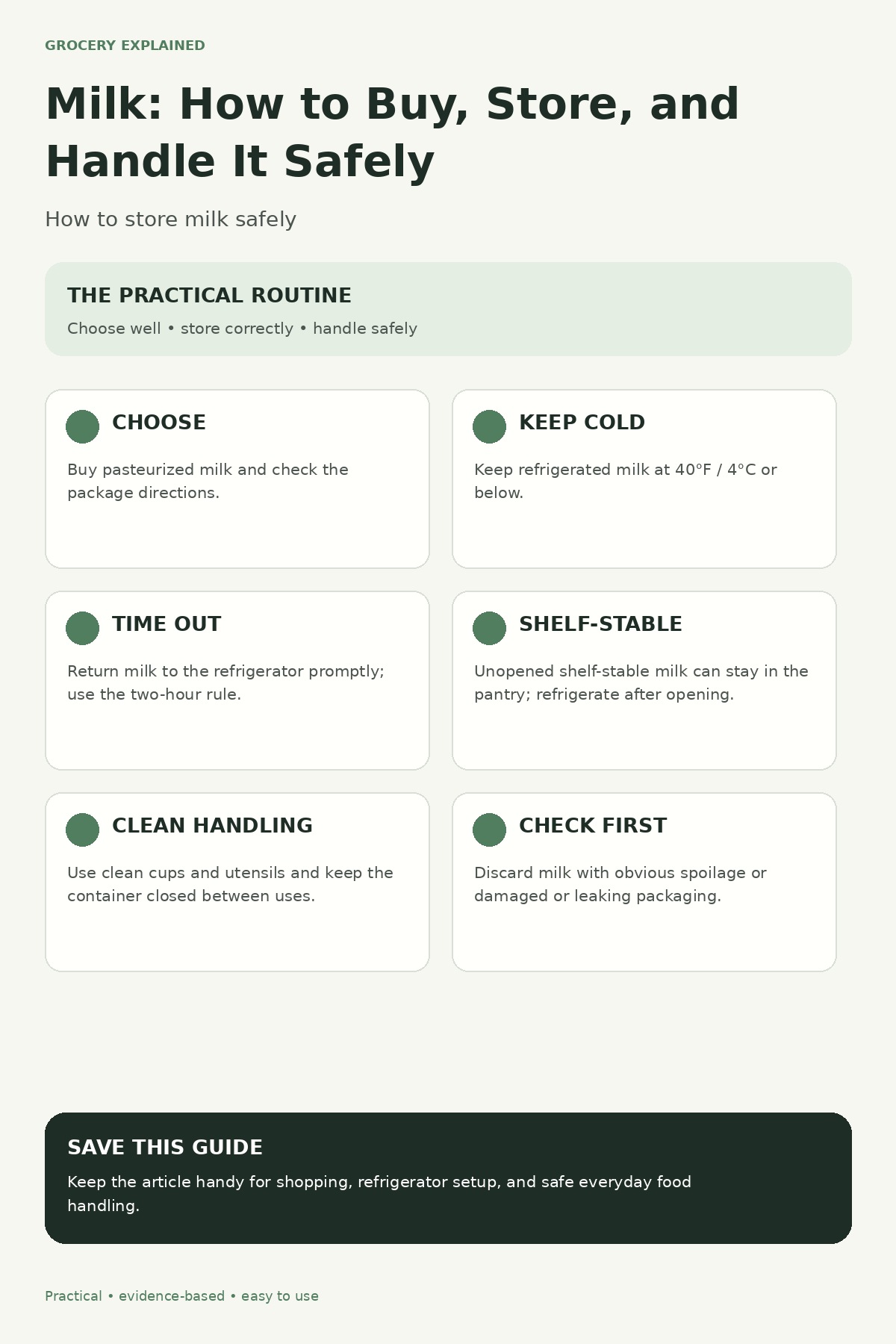
A simple milk routine
Choose pasteurized milk, follow the package's storage instructions, keep refrigerated milk at 40°F (4°C) or below, and minimize the time it spends warm. Treat shelf-stable UHT milk according to its label before opening and refrigerate it after opening. Those few habits matter more than complicated storage tricks.
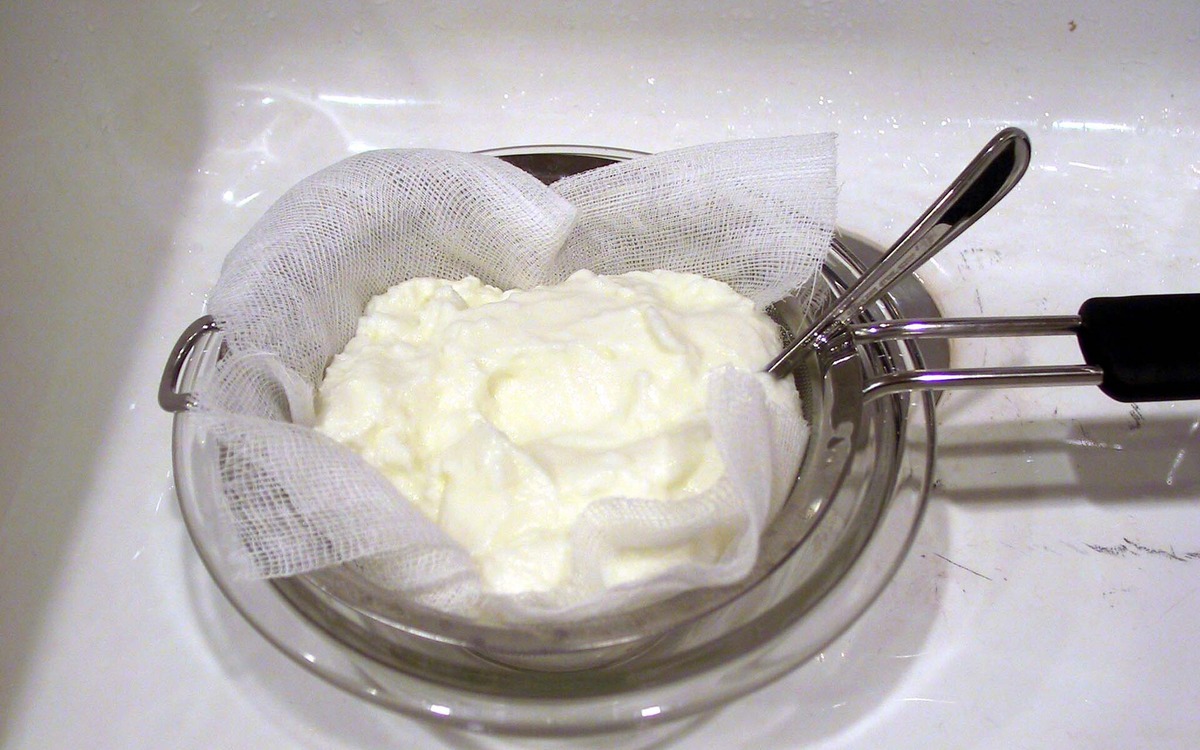
Yogurt needs the same cold-chain attention as refrigerated milk but comes with different label choices; our yogurt shopping and storage guide explains how to compare products and use opened containers safely.



No comments:
Post a Comment