Eggs are inexpensive, versatile, and easy to keep on hand, but a few small handling habits make a real difference. Fresh shell eggs can carry Salmonella even when the shells look clean, so the safest routine starts at the store and continues through refrigeration, preparation, cooking, and leftovers.
What to check when buying eggs
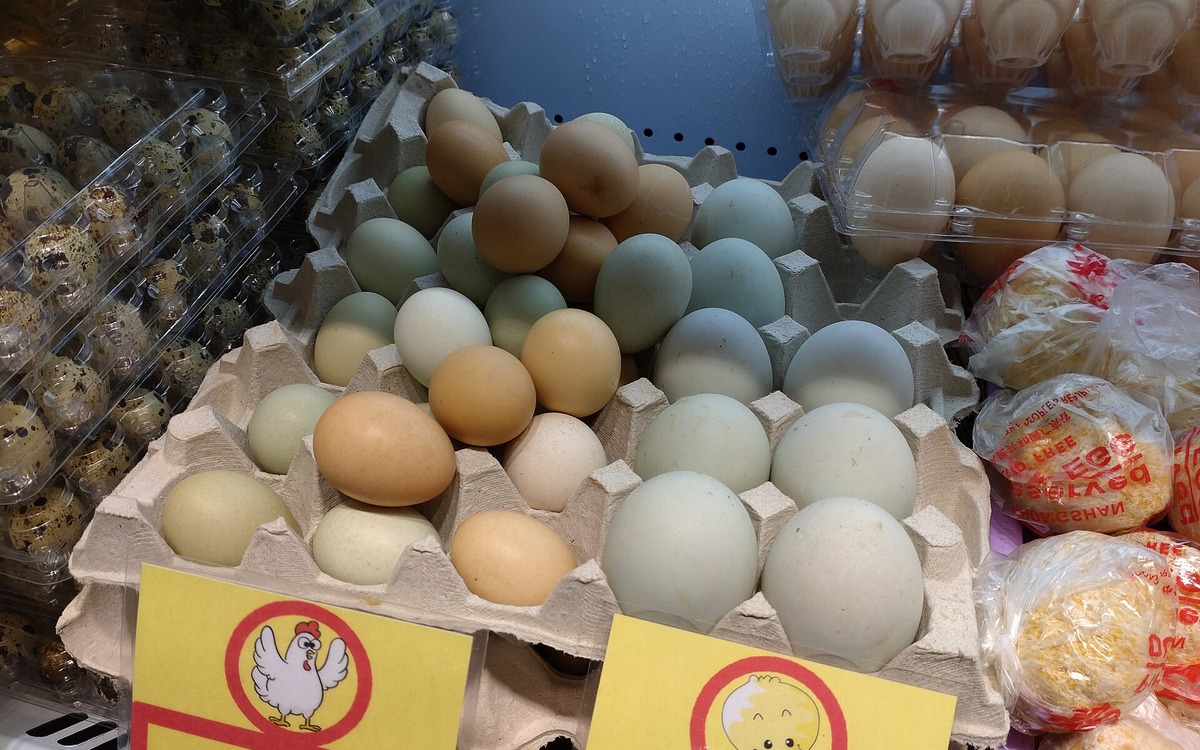
In the United States, choose shell eggs from a refrigerated case. Open the carton before buying and check that the shells are clean and uncracked. A cracked shell creates an easier route for contamination, so skip damaged eggs rather than planning to “cook them extra well” later.
Put eggs into your cart near the end of the shopping trip and get refrigerated groceries home promptly. If you are running several errands on a hot day, an insulated bag or cooler is a practical way to protect the cold chain.
Store eggs cold — and keep them in the carton
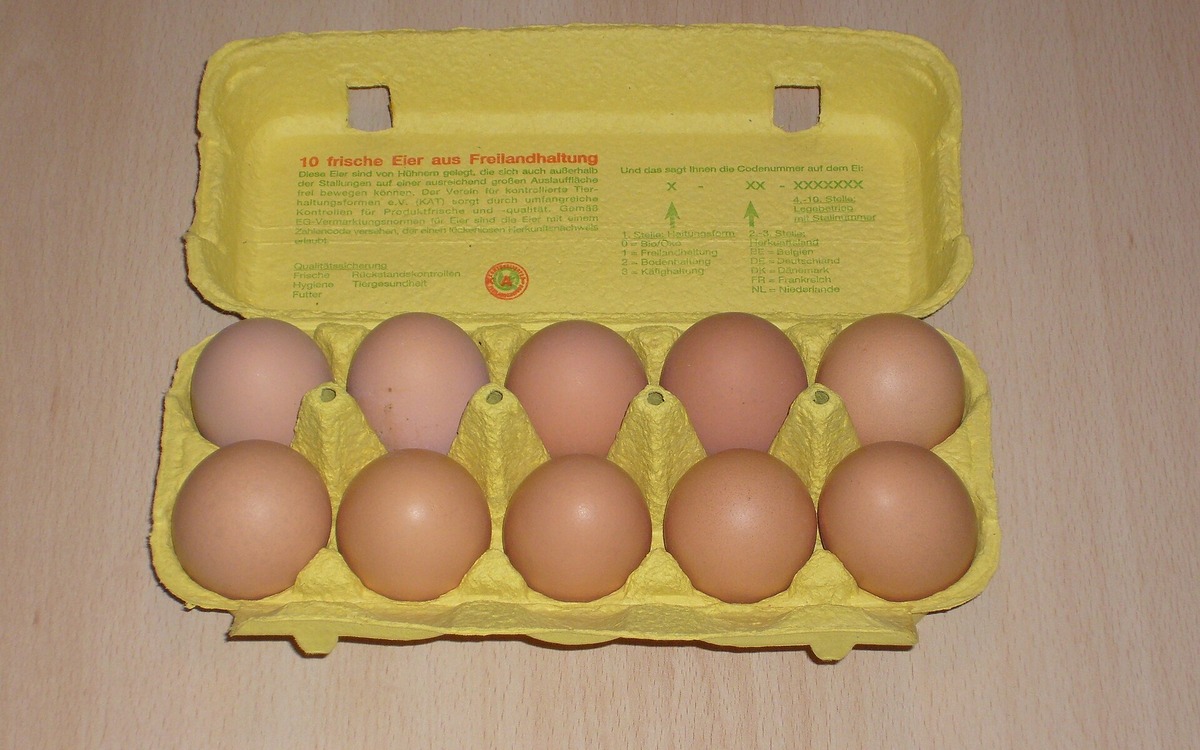
FDA guidance says to refrigerate eggs promptly at 40°F (4°C) or below. Keep them in their original carton on a refrigerator shelf rather than in the door. The carton protects the eggs, while a shelf gives them a more stable temperature than the door, which warms repeatedly when the refrigerator is opened.
For best quality, FDA recommends using refrigerated shell eggs within about three weeks. That is a quality guideline rather than a reason to leave eggs at room temperature: once eggs are refrigerated, keep them refrigerated. USDA advises not leaving eggs out for more than two hours, or more than one hour when the temperature is above 90°F (32°C).
Keep raw egg away from ready-to-eat food
Wash your hands, utensils, equipment, and work surfaces with hot, soapy water before and after contact with raw eggs. If raw egg gets onto a plate, whisk, counter, or bowl, clean it before that surface touches cooked or ready-to-eat food.
You do not need elaborate equipment. The useful habit is simple: crack and prepare eggs in a clean work area, avoid spreading raw egg around the kitchen, and wash contaminated tools before reusing them.
How thoroughly should eggs be cooked?
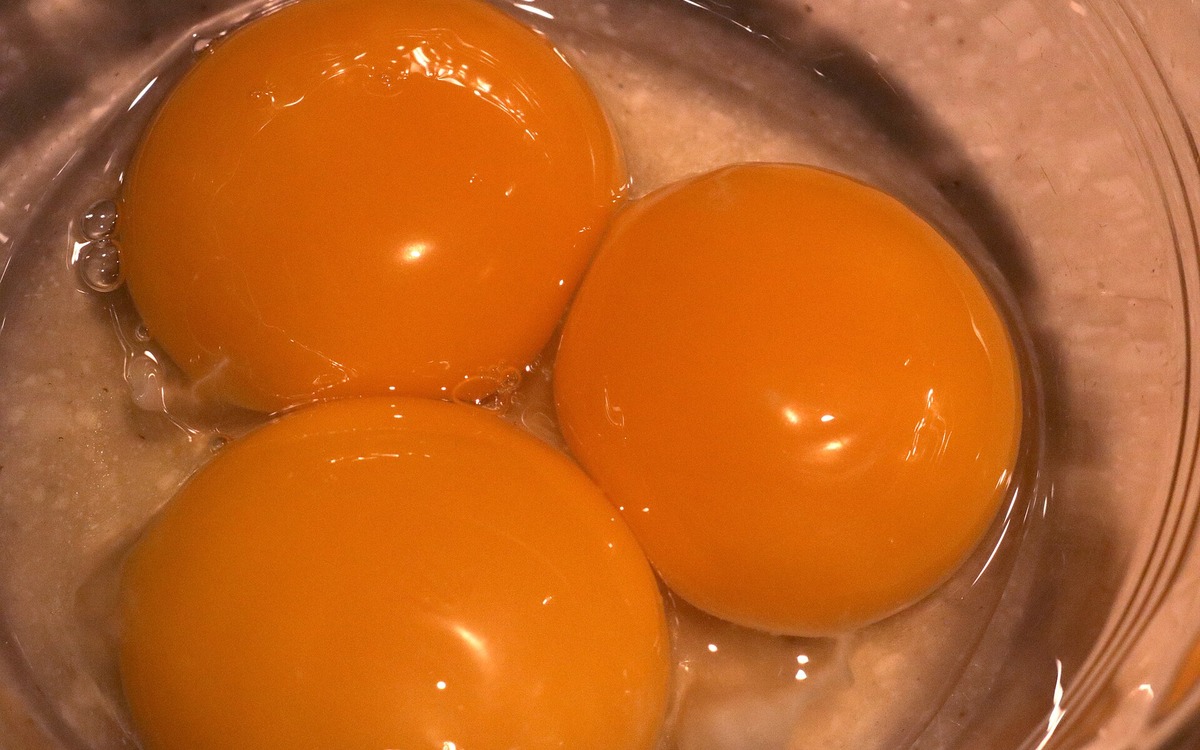
For ordinary home cooking, FDA recommends cooking shell eggs until both the white and yolk are firm; scrambled eggs should not be runny. Casseroles and other dishes containing eggs should reach 160°F (71°C), measured with a food thermometer.
If a recipe is meant to be served raw or undercooked — for example homemade Caesar dressing, eggnog, ice cream, or another preparation in which the egg will not be thoroughly cooked — use pasteurized shell eggs or pasteurized egg products. Pasteurization is the safer choice for recipes where normal cooking will not provide the safety step.

Hard-cooked eggs and leftovers have shorter windows
Hard-cooked eggs should be refrigerated and used within one week. Cooked egg dishes and other egg-containing leftovers should generally be refrigerated within two hours and used within three to four days. If the surrounding temperature is above 90°F (32°C), refrigerate perishables within one hour.
For a large hot egg dish, divide leftovers into shallow containers so they cool more quickly. When serving cooked eggs or egg dishes later, FDA advises reheating them thoroughly to 165°F (74°C).
A simple egg-safety routine
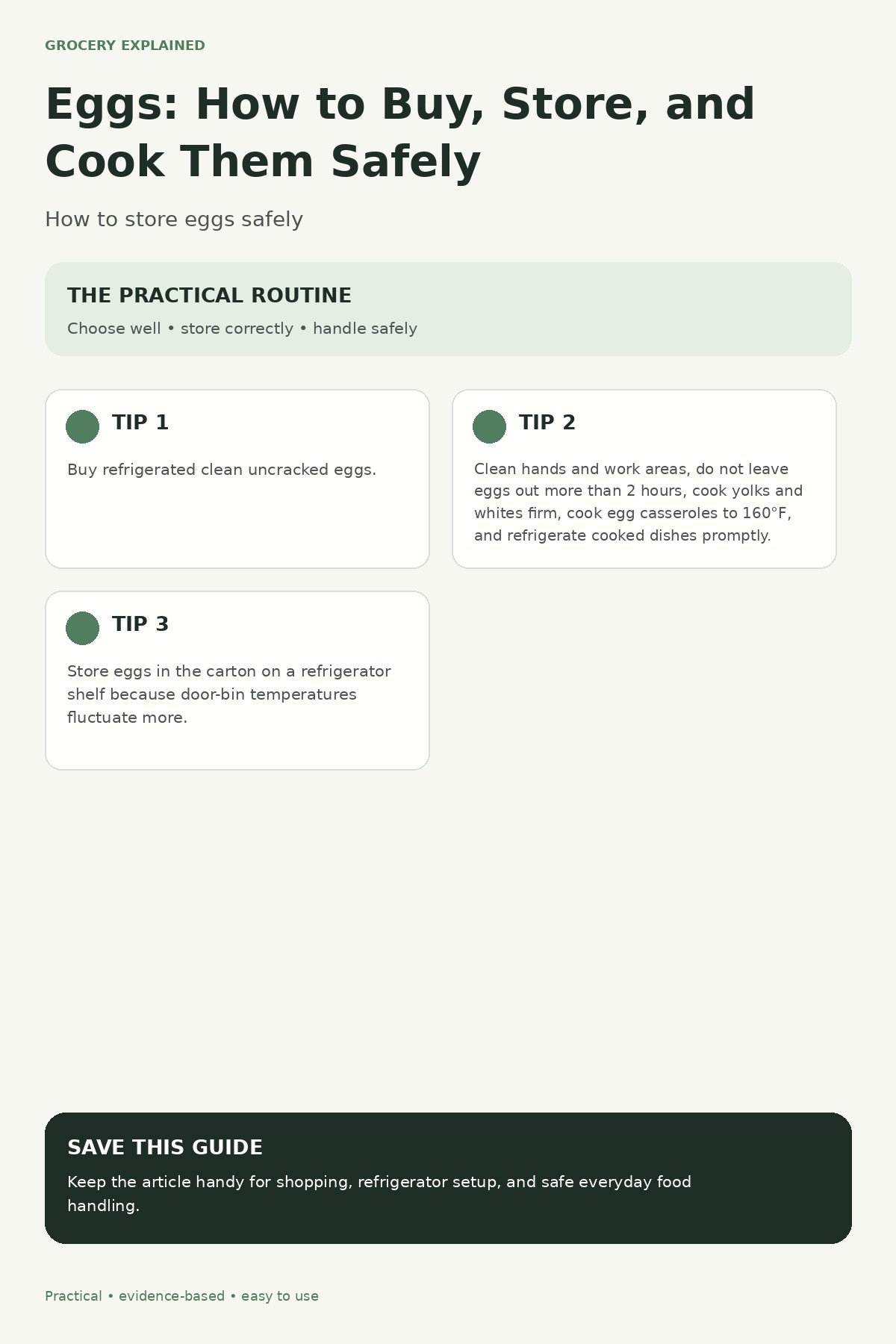
Buy refrigerated, uncracked eggs. Refrigerate them promptly at 40°F or below in their carton on a shelf. Keep raw egg from contaminating ready-to-eat foods. Cook shell eggs until the whites and yolks are firm, use pasteurized eggs for recipes that stay raw or undercooked, and chill leftovers on time.
None of these steps makes cooking eggs complicated. They simply turn a familiar grocery staple into a more predictable, safer part of everyday meals.




No comments:
Post a Comment