Salmon is easy to turn into a quick dinner, but the practical food-safety decisions start before the pan gets hot. The condition of the fish at the store, how quickly it gets cold at home, the way it is thawed, and how it is cooked all matter. This guide gives you a simple routine for buying salmon with confidence and keeping it safely chilled from the grocery case to the plate.
How to choose salmon at the store
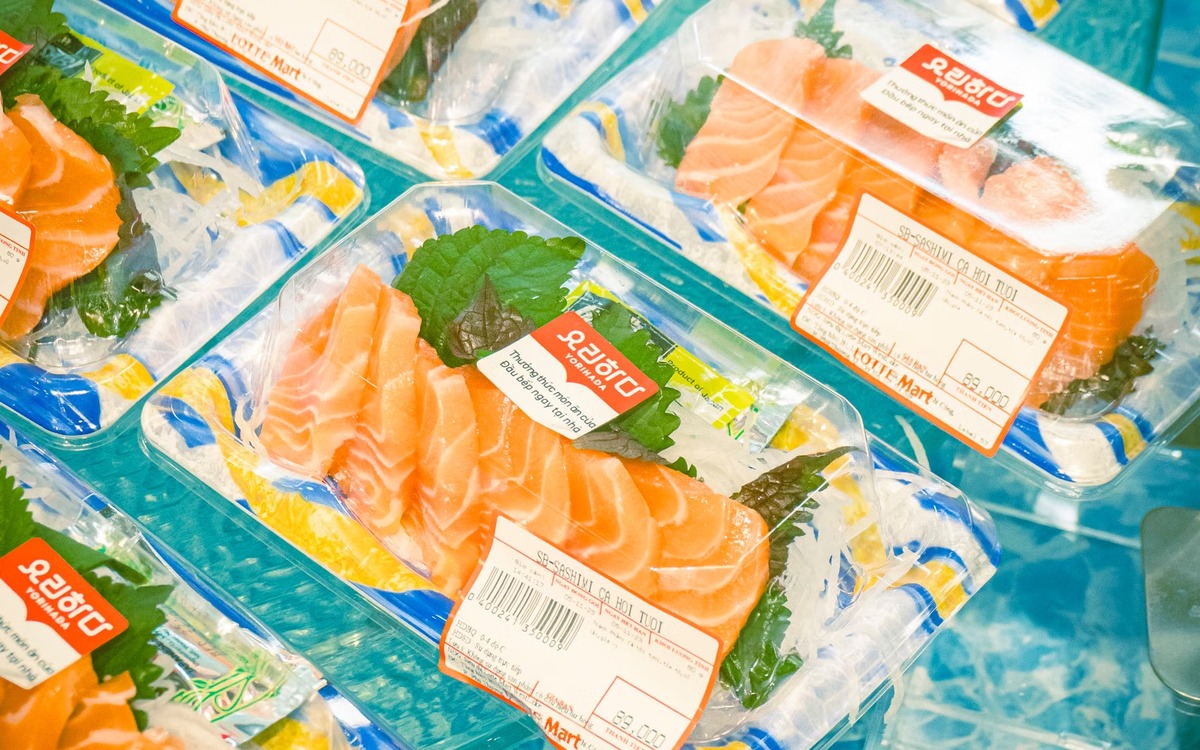
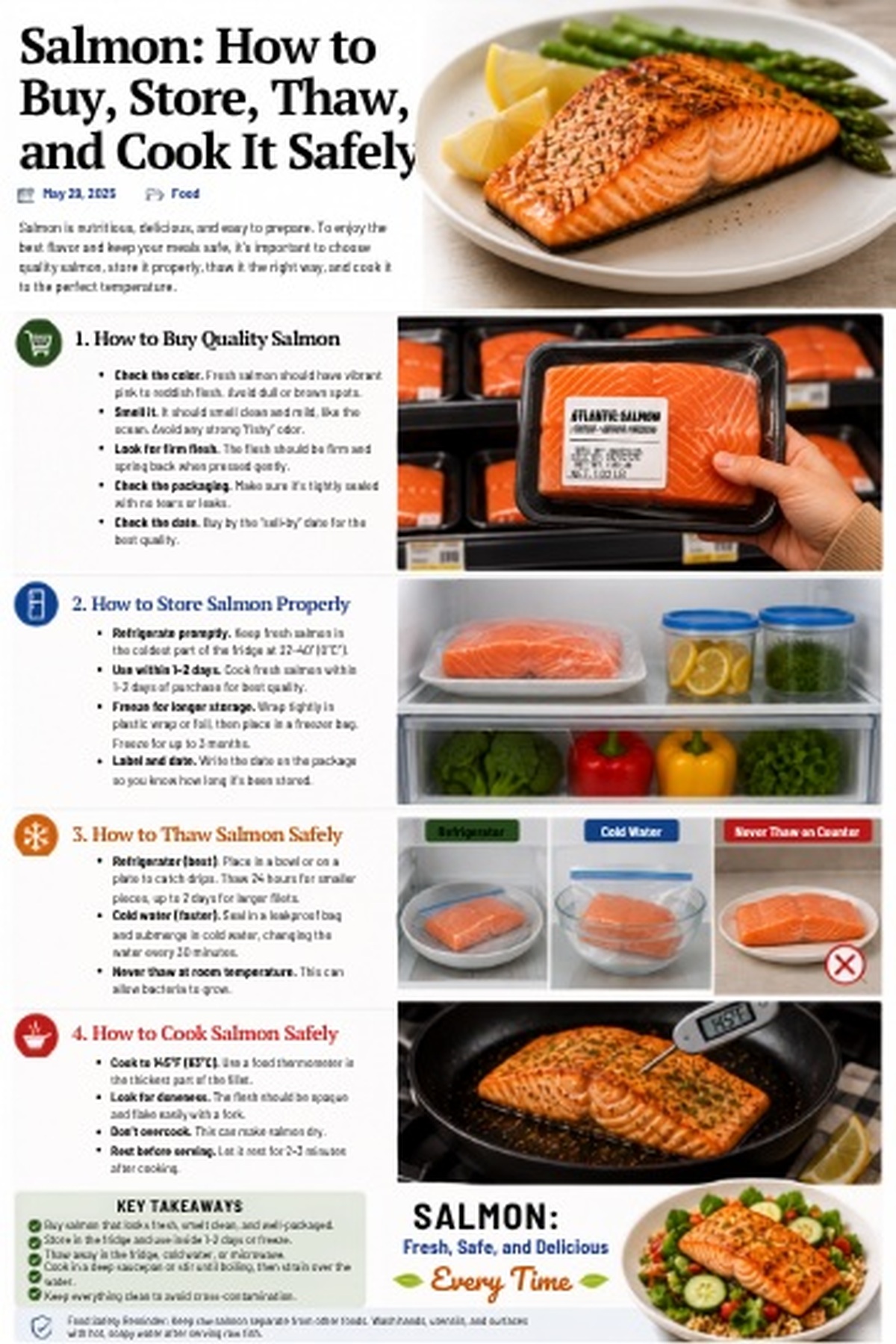
Start with temperature. FDA guidance says fresh fish should be refrigerated or displayed on a thick bed of fresh ice. Packaged frozen salmon should be solidly frozen; skip packages that are open, torn, crushed at the edges, or heavily coated with frost or ice crystals that may suggest long storage or thawing and refreezing.
Fresh salmon should smell mild and fresh rather than strongly fishy, sour, rancid, or ammonia-like. For fillets, look for firm flesh without obvious drying, darkening, or discoloration around the edges. Color by itself is not a reliable freshness test, because species, diet, processing, and packaging can affect appearance.
Get it cold quickly and keep your refrigerator at 40°F or below
Once salmon is in your cart, avoid turning the rest of the shopping trip into a long warm holding period. Refrigerate or freeze seafood promptly after you get home. The FDA recommends keeping the refrigerator at 40°F (4°C) or below.
If you plan to use fresh seafood within two days of purchase, keep it refrigerated. Otherwise, wrap or package it well and freeze it. Store raw salmon so juices cannot drip onto produce, cooked foods, or anything you plan to eat without further cooking. A covered container or leak-resistant package on a low refrigerator shelf makes that separation easier.
Thaw salmon without leaving it on the counter
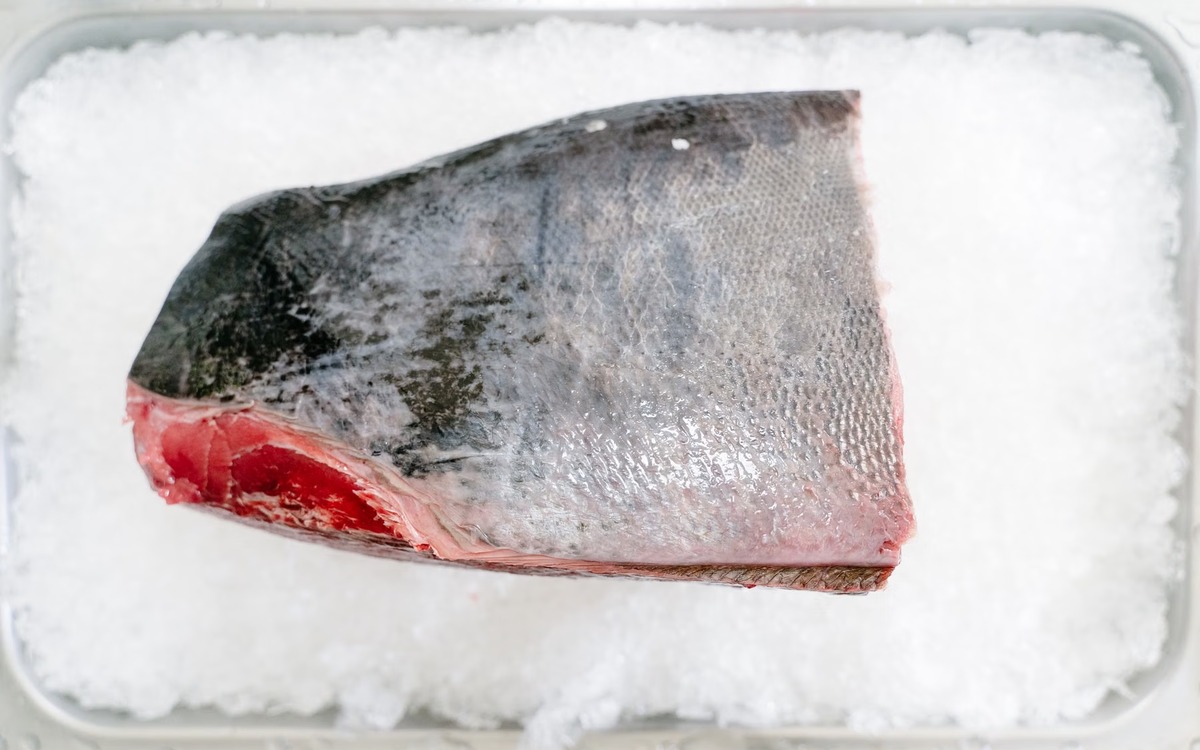
The easiest method is to move frozen salmon to the refrigerator and let it thaw gradually. If you need it sooner, seal it in a leak-resistant plastic bag and thaw it in cold water. A microwave can also be used on the defrost setting when the salmon will be cooked immediately afterward.
Do not thaw salmon at room temperature on the counter. Cold-water and microwave thawing are fast methods, so plan to cook the fish right away rather than putting it back into a long holding cycle.
Prevent cross-contamination while you prep
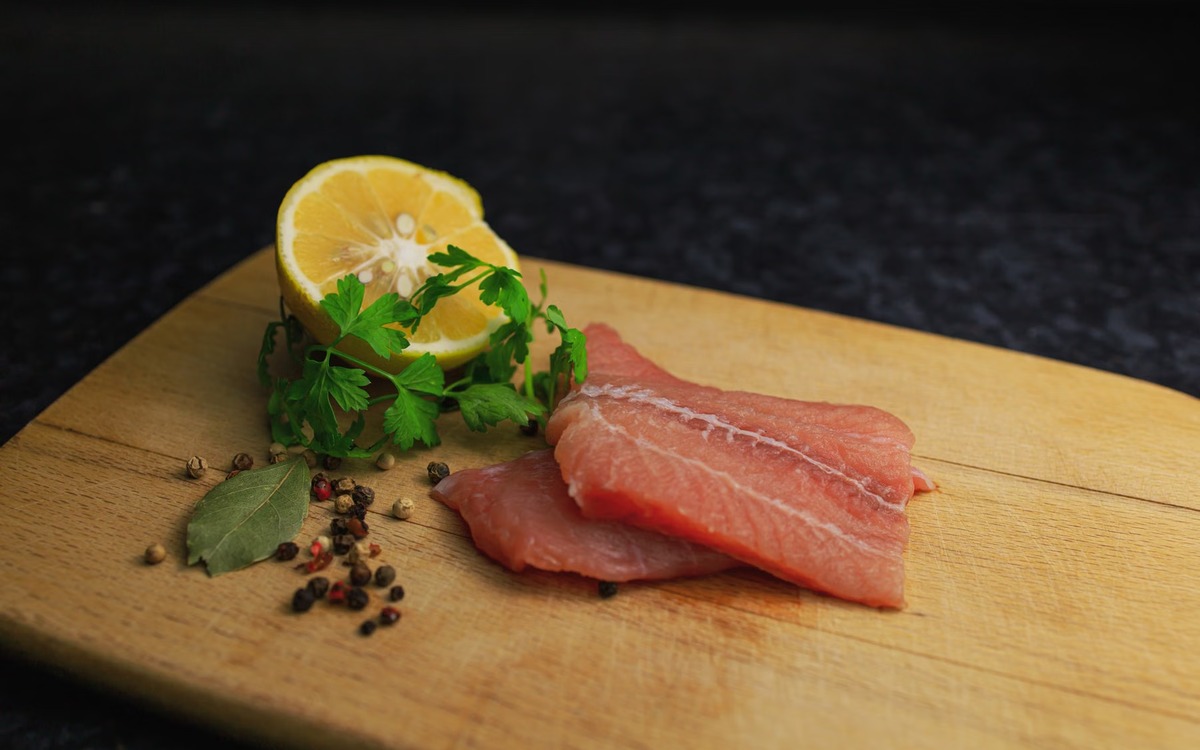
Raw seafood can transfer microorganisms to hands, knives, cutting boards, plates, and ready-to-eat food. Wash your hands with soap and water after handling raw salmon, and clean utensils, dishes, cutting boards, and counters with hot soapy water before using them for cooked food or fresh produce.
Do not put cooked salmon back on an unwashed plate that held it raw. If you use a marinade on raw fish, do not reuse it as a finishing sauce unless it has been brought to a boil first.
Cook salmon to 145°F
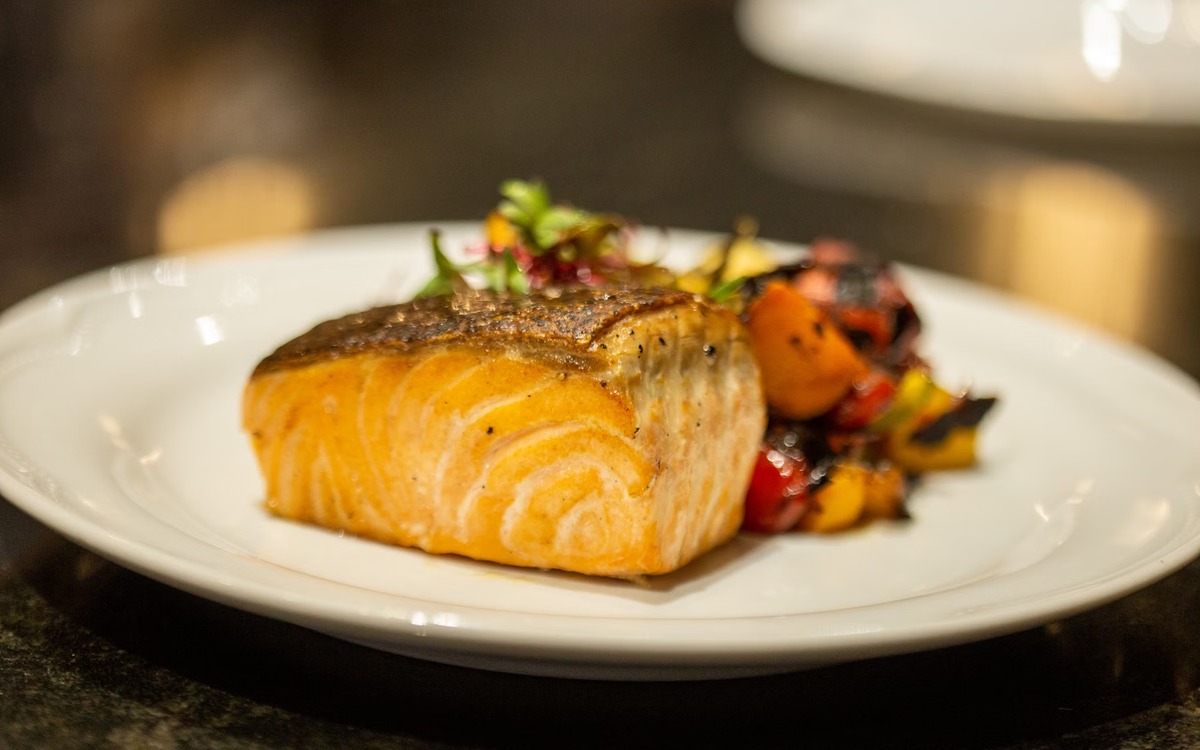
FDA guidance recommends cooking most seafood to an internal temperature of 145°F (63°C). Check the thickest part of the fillet with a food thermometer. This is more dependable than judging safety from color alone.
If a thermometer is not available, FDA guidance notes that cooked fish should become opaque and separate easily with a fork. These visual cues are useful, but a thermometer gives you a clearer endpoint when you want to avoid guessing.
Serve it promptly and handle leftovers safely
Seafood and other perishable foods should not sit at room temperature for more than two hours. When the surrounding temperature is above 90°F (32°C), that limit drops to one hour. Refrigerate leftovers promptly in covered containers rather than leaving the serving dish out for the rest of the evening.
The same rule matters when transporting salmon for a picnic or lunch: keep cold salmon cold with ice or cold packs, and keep hot food hot until it is served.
A simple salmon safety routine
At the store, choose salmon that is properly chilled, smells mild, and is in sound packaging. At home, keep it at 40°F or below and use refrigerated fresh seafood within two days or freeze it. Thaw in the refrigerator, cold water, or microwave rather than on the counter. Keep raw fish away from ready-to-eat foods, and cook salmon to 145°F in the thickest part.
Those few habits do most of the work. They also make salmon easier to plan: buy it cold, keep it cold, thaw it deliberately, cook it thoroughly, and refrigerate what is left without delay.




No comments:
Post a Comment