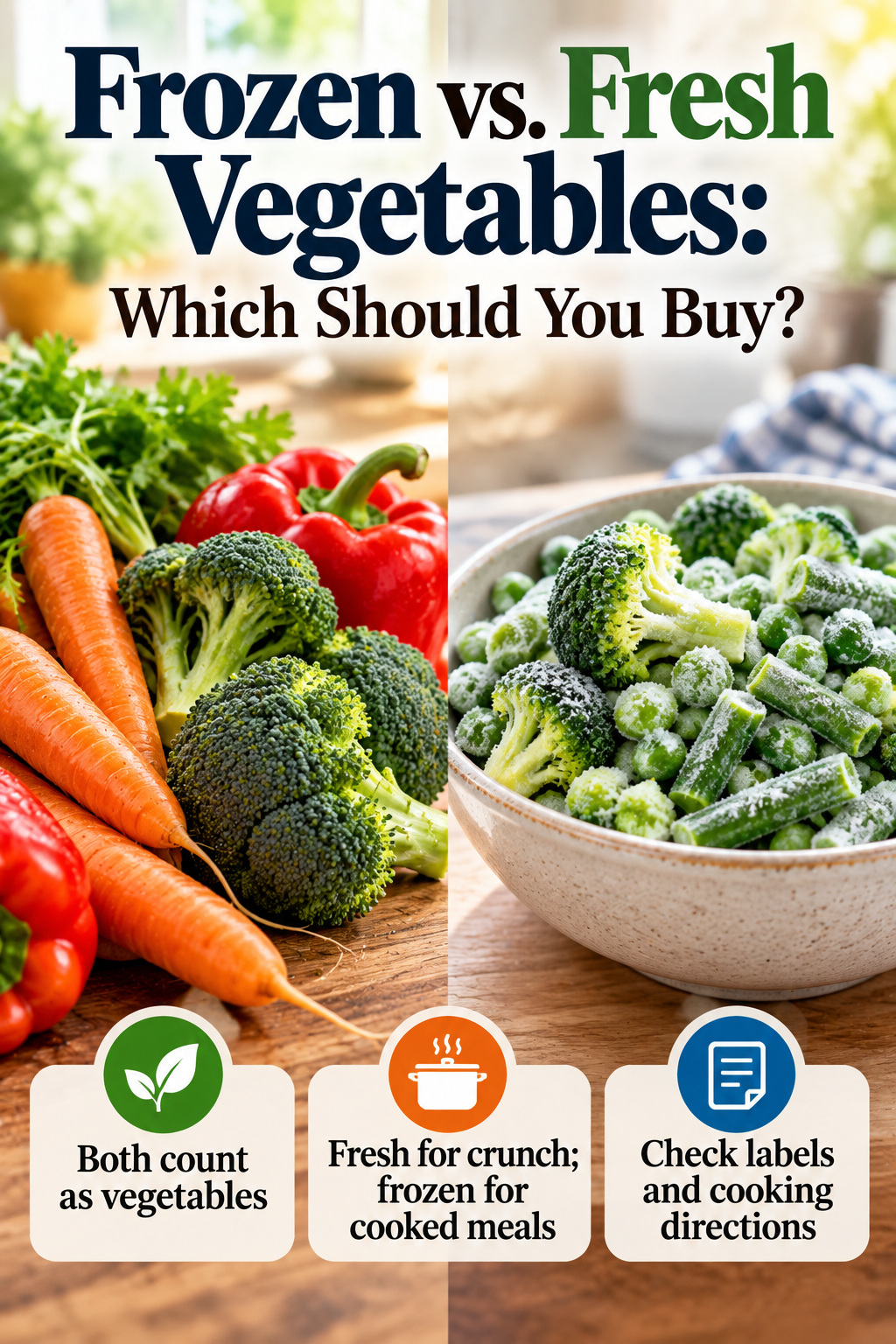
Fresh vegetables have a reputation for being the “best” choice, while frozen vegetables are often treated like a backup. In real life, that distinction is too simple. Both can be nutritious, useful, and worth buying—the better option depends on what you are cooking, how quickly you will use it, what it costs, and what is available where you shop.
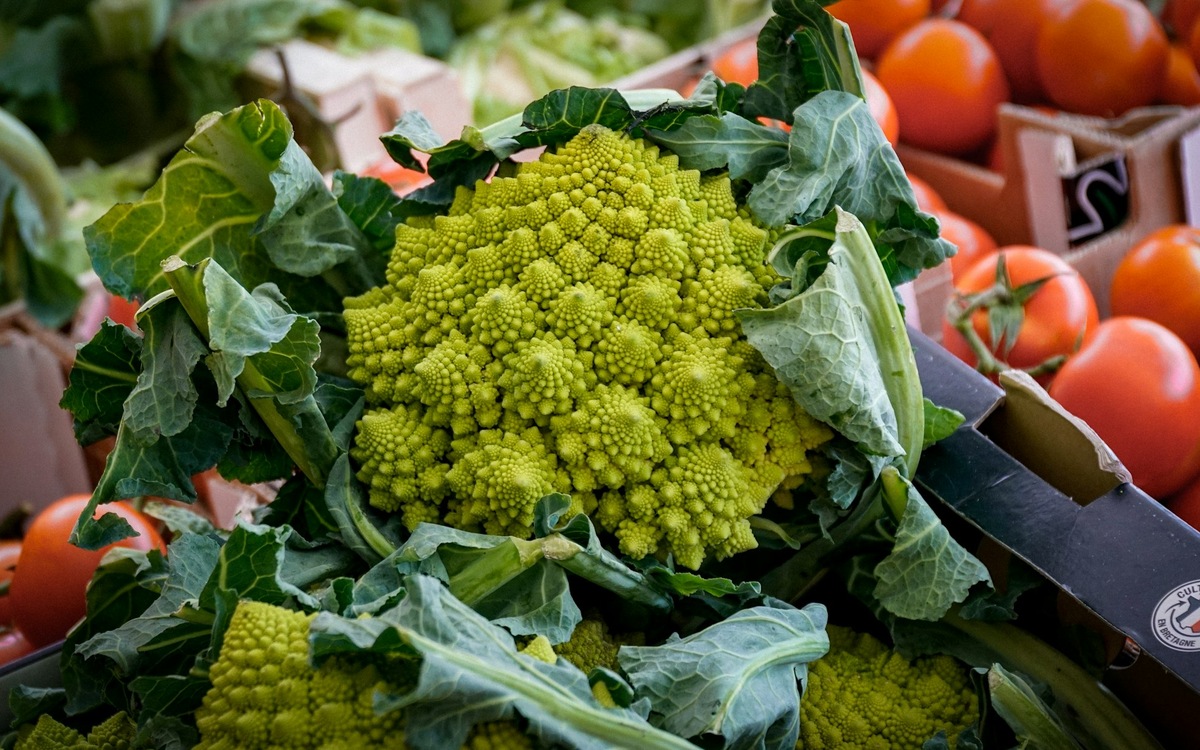
Fresh and frozen vegetables both count
USDA MyPlate includes fresh, frozen, canned, and dried vegetables in the Vegetable Group. That matters because frozen vegetables are not a separate, lesser category. A bag of plain frozen broccoli, peas, spinach, or green beans can be a practical way to keep vegetables available when fresh produce is expensive, out of season, or likely to spoil before you use it.
There is also no universal nutrition winner. Fresh vegetables can be excellent, especially when they are recently harvested and eaten soon after purchase. But fresh produce continues to change during transportation and refrigerator storage. Frozen vegetables are typically processed and frozen relatively soon after harvest, which helps preserve many nutrients.
Does freezing destroy the vitamins?
Not in the dramatic way people sometimes assume. Research comparing refrigerated and frozen produce found that the vitamin content of frozen fruits and vegetables was generally comparable to—and in some cases higher than—the fresh samples after refrigerated storage. The result varied by nutrient and food, so it would be misleading to say frozen is always more nutritious.
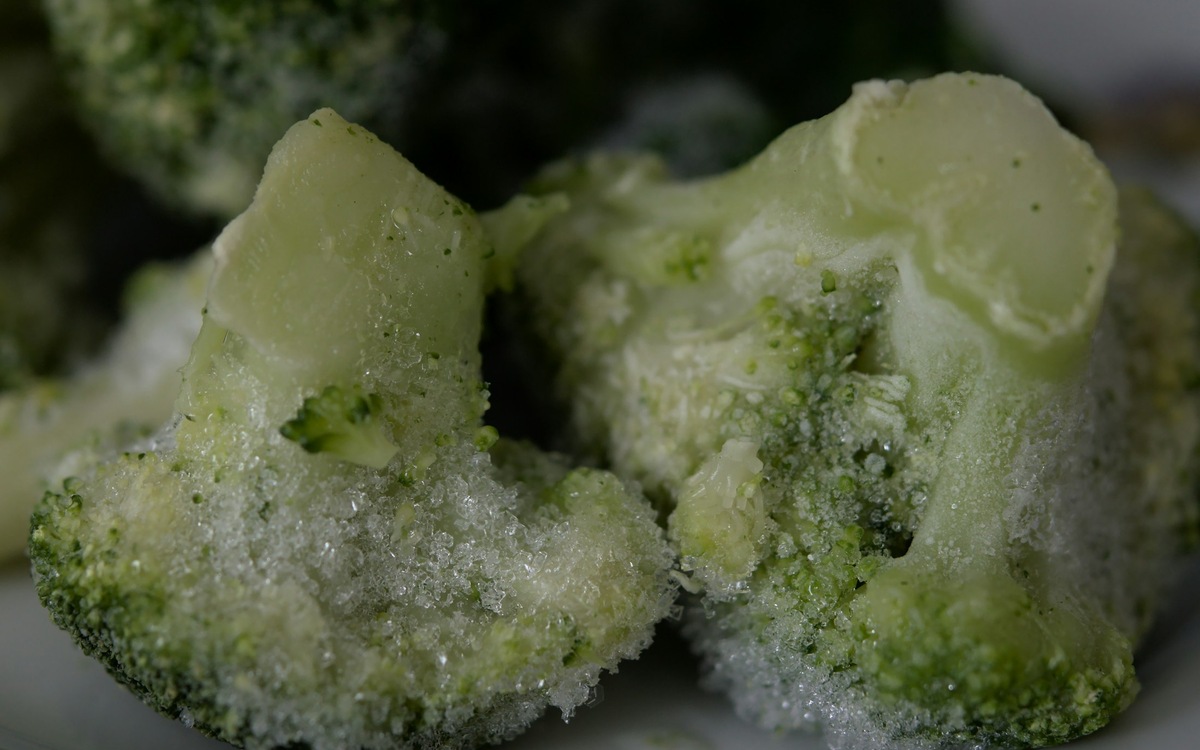
Some vegetables are blanched briefly before commercial freezing. That heat treatment can reduce certain heat-sensitive nutrients, while the frozen storage that follows can slow further deterioration. The practical takeaway is simpler than the chemistry: do not avoid frozen vegetables because you assume they are nutritionally empty.
When fresh usually works better
Fresh vegetables are usually the easier choice when texture is the main point of the dish. For a related crisp ingredient, see our bell pepper selection and storage guide. Think crunchy salads, crudités, tomato sandwiches, raw bell peppers, slaws, and dishes where you want a vegetable to stay crisp.
Fresh can also make sense when:
- the vegetable is in season and priced well;
- you know you will use it within a few days;
- you are buying for a recipe that depends on crispness;
- you enjoy choosing produce by ripeness, size, or appearance.
When frozen usually works better
Frozen vegetables are especially useful in cooked meals where perfect raw texture is not necessary. Peas, corn, spinach, broccoli, cauliflower, green beans, and mixed vegetables can go straight into soups, curries, pasta dishes, fried rice, casseroles, omelets, and sheet-pan meals.
Frozen is often the more practical option when:
- you cook for one or two people and fresh produce often gets wasted;
- you want vegetables available without another grocery trip;
- you need pre-cut ingredients for fast weeknight meals;
- a fresh vegetable is expensive or poor quality out of season;
- you only need a small amount at a time.
Watch the sauce, seasoning, and sodium
Plain frozen vegetables are different from frozen vegetable dishes that come with cheese sauce, butter sauce, seasoning packets, or other add-ins. FDA guidance for reducing sodium specifically suggests choosing fresh vegetables, frozen vegetables without sauce or seasoning, or low-sodium/no-salt-added canned vegetables.
That does not mean every seasoned frozen vegetable product is a bad choice. It means the Nutrition Facts label is useful when you are comparing two products. Check the serving size and sodium, then decide whether the added sauce is something you actually want.
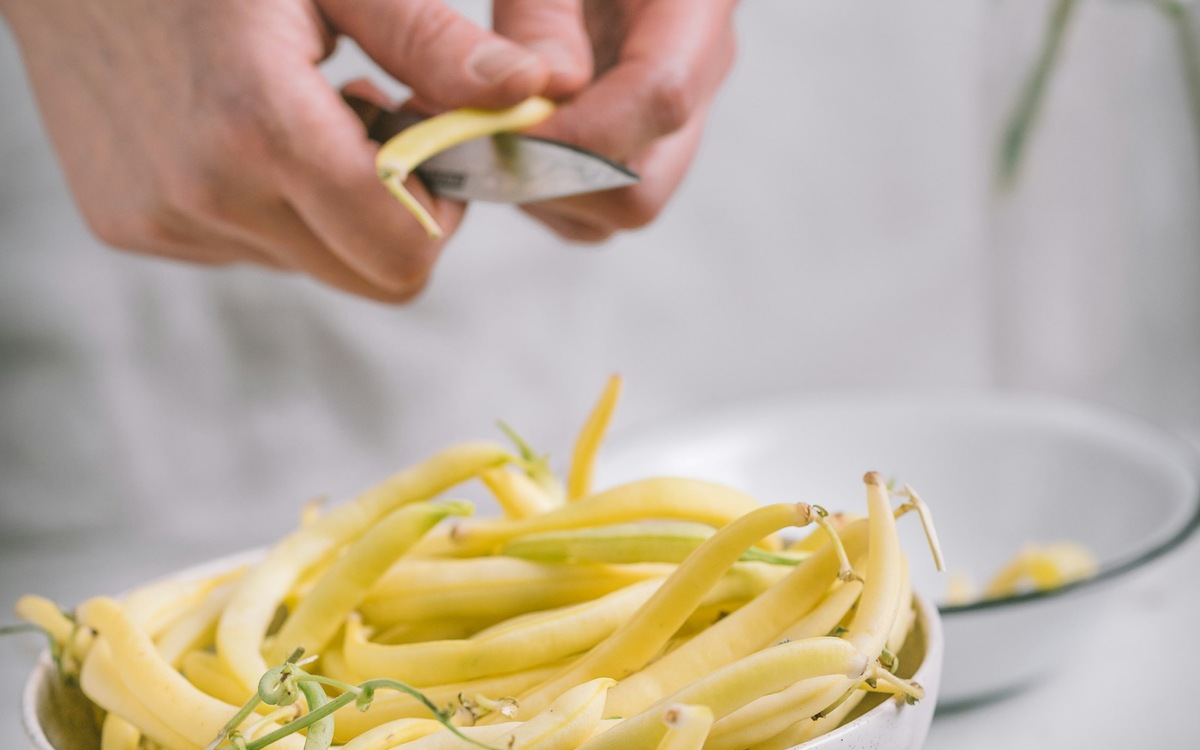
How to make frozen vegetables taste better
The most common complaint about frozen vegetables is texture. They contain ice and release moisture as they heat, so crowded pans and gentle reheating can leave them soft and watery.
For additional methods and recipe ideas, see our guide to cooking frozen vegetables. For better results:
- Roast at high heat. Give vegetables room on the pan so moisture can escape.
- Use a hot skillet. A quick sauté can produce better texture than slowly warming them over low heat.
- Add frozen vegetables late to soups and pasta. They often need less cooking than fresh, dense vegetables.
- Do not thaw everything automatically. Many frozen vegetables cook well directly from frozen; follow the package directions.
- Season after excess water cooks off. Herbs, lemon, garlic, pepper, olive oil, chili flakes, or grated cheese can add flavor without relying on a premade sauce.
A food-safety note about frozen produce
Frozen does not automatically mean ready to eat. USDA food-safety guidance notes that frozen produce can carry germs and advises consumers to follow the manufacturer’s cooking instructions rather than assuming a frozen vegetable is safe to eat straight from the bag. This is particularly relevant when frozen corn, peas, or other vegetables are being added to a cold salad.
Which is cheaper?
The shelf price does not tell the whole story. A fresh head of broccoli may be cheaper per pound, but it is not cheaper if half of it gets thrown away. A frozen bag may cost slightly more upfront but let you use exactly what you need over several meals.
For a realistic comparison, look at:
- price per pound or ounce;
- how much of the fresh vegetable is edible after trimming;
- how much you typically waste;
- whether the frozen version saves chopping time;
- whether the product has added sauce or seasoning you would otherwise buy separately.
A practical grocery strategy
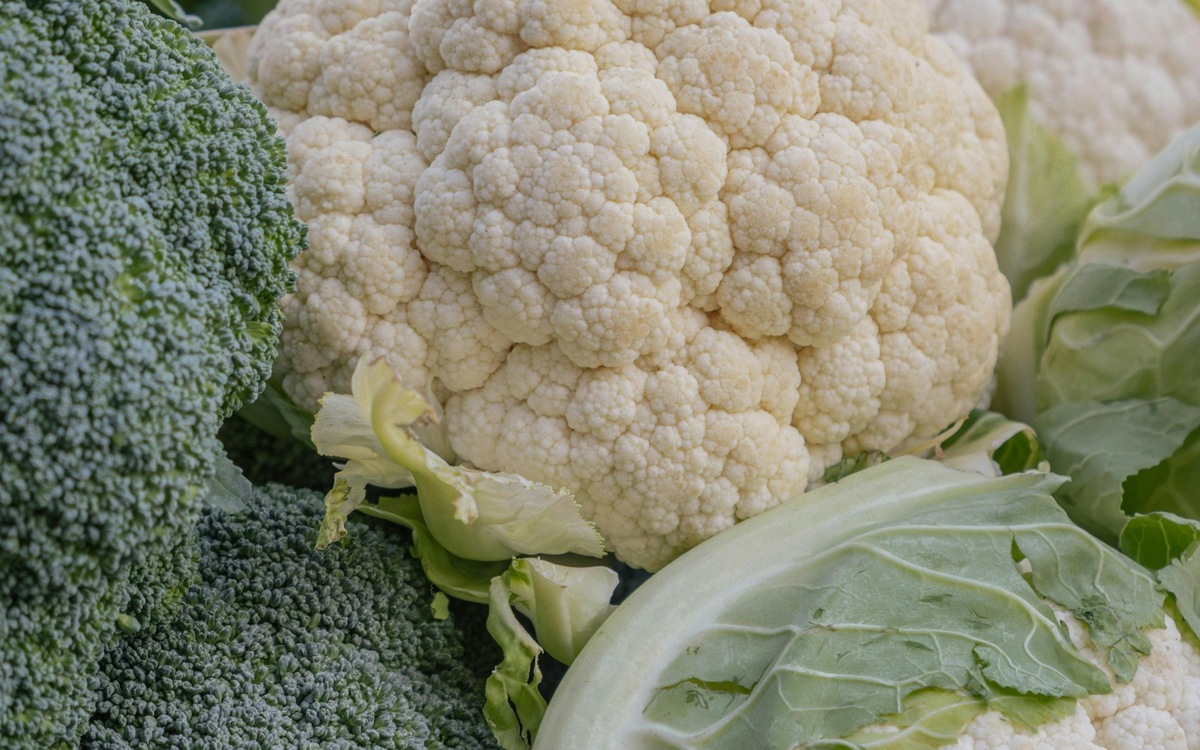
You do not need to choose a side. A useful grocery cart often contains both. If you choose fresh broccoli, our broccoli shopping and storage guide explains how to keep it fresh.
One simple approach is to buy fresh vegetables for the first half of the week—salad greens, tomatoes, cucumbers, peppers, or anything you want raw—and keep two or three frozen staples for later meals. Frozen broccoli, peas, spinach, corn, or mixed vegetables can rescue dinner when the refrigerator is running low.
Quick decision guide
- Choose fresh when crisp texture matters and you will use it soon.
- Choose frozen when convenience, longer storage, portion flexibility, or lower waste matters more.
- Check the label when frozen vegetables include sauces or seasonings.
- Buy both if that makes it easier to keep vegetables in your meals throughout the week.
Final thoughts
Fresh vegetables are not automatically superior, and frozen vegetables are not a nutritional compromise by default. The more useful question is: which version will you actually cook and eat? Choose fresh when you want its texture and immediacy, use frozen when it saves time or prevents waste, and let price and the recipe decide the rest.