Broccoli is at its best when the florets are tight, the stalks are firm, and the whole head still feels fresh and crisp. Because broccoli loses quality quickly after harvest, a few simple habits—keeping it cold, waiting to wash it until use, and freezing extras correctly—can make a noticeable difference.
How to choose fresh broccoli
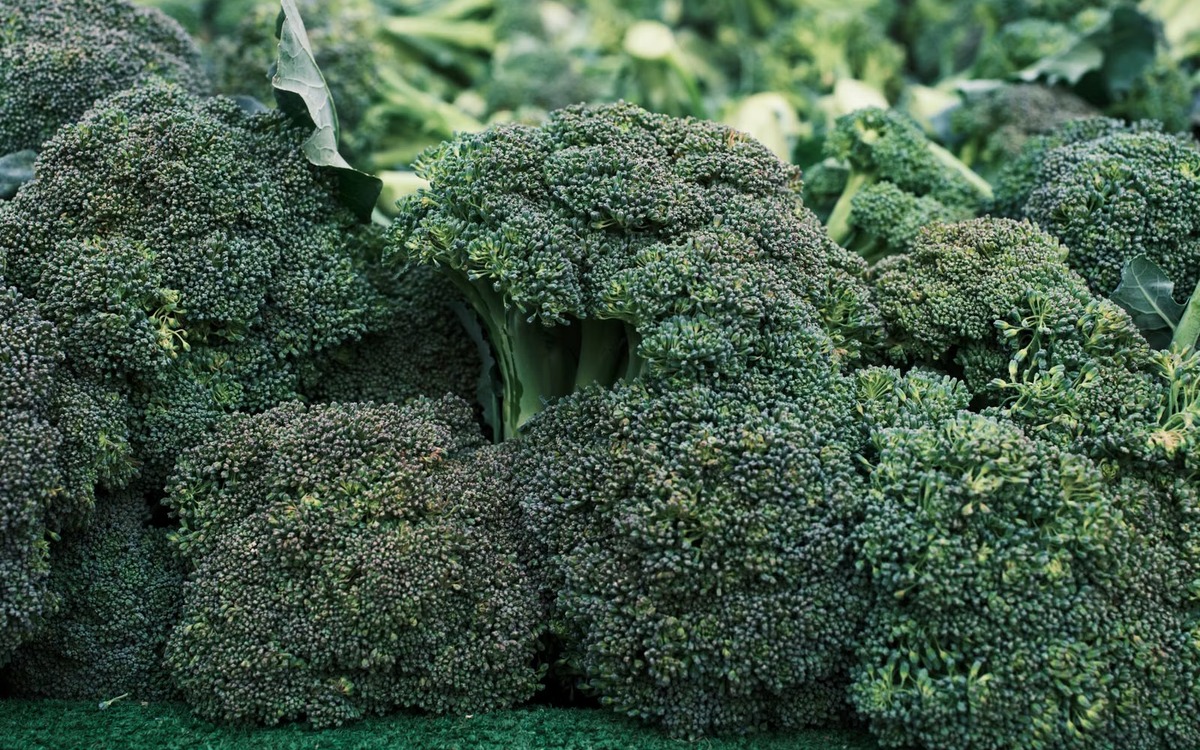
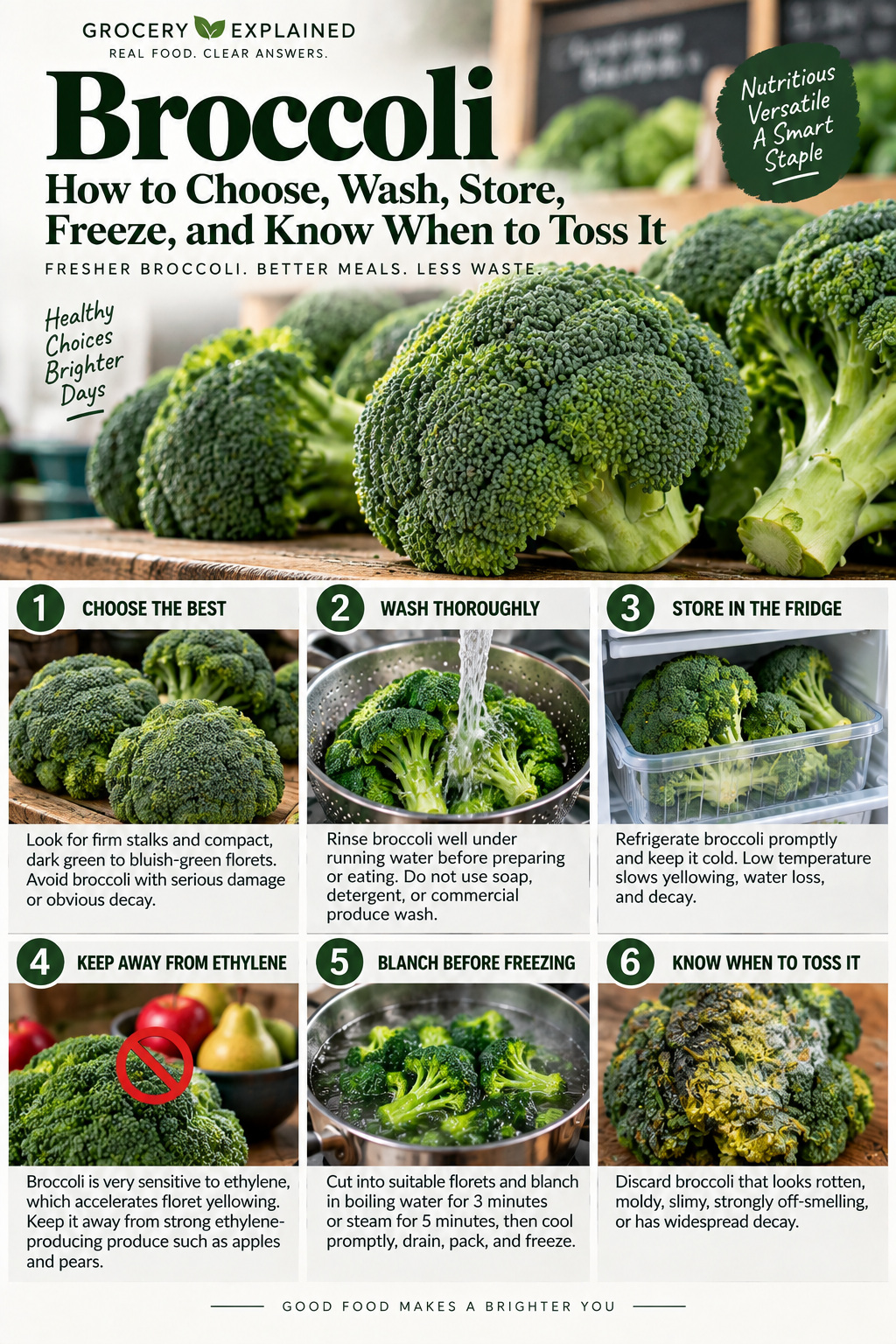
Look for compact heads with firm stalks and tightly closed florets. Fresh broccoli is usually dark green to bluish-green, though color varies somewhat by variety. Avoid heads with obvious decay, large damaged areas, very dry or browning cut ends, or widespread yellow florets.
Yellowing is often a sign that broccoli is getting older or has been exposed to warmer temperatures or ethylene. A little yellowing is mainly a quality issue, but extensive yellowing usually means the broccoli is past its best.
Should you wash broccoli before storing it?
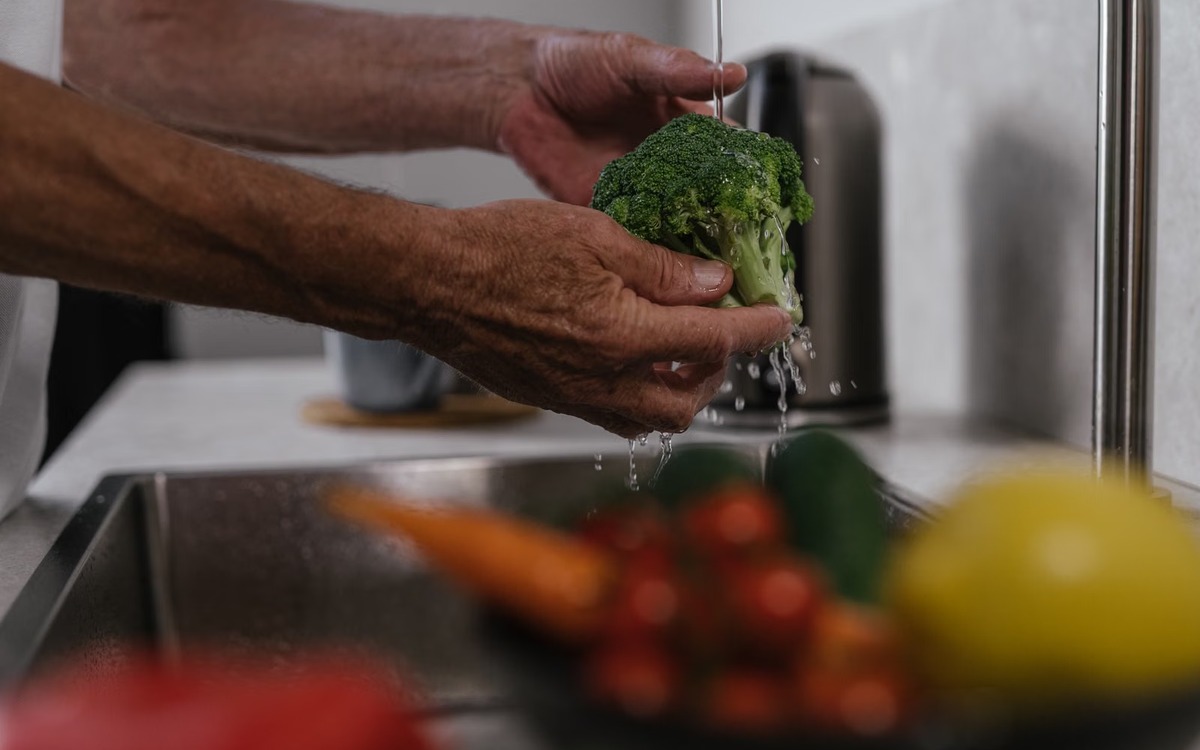
For the best refrigerator quality, wait to wash broccoli until shortly before you plan to use it. Colorado State University Extension recommends storing broccoli unwashed because extra surface moisture can make it deteriorate faster.
When you are ready to prepare it, rinse broccoli thoroughly under cool running water. The FDA does not recommend using soap, detergent, or commercial produce wash on fruits and vegetables. Dry the broccoli if you are not cooking it immediately.
How to store broccoli in the refrigerator
Refrigerate broccoli promptly. At home, a loose or perforated produce bag works well because it limits moisture loss without trapping too much condensation. Colorado State University Extension recommends using fresh broccoli within about 3 to 5 days for best quality.
Cold storage matters. UC Davis notes that low temperature slows yellowing, water loss, and decay. Keep your refrigerator at 40°F (4°C) or below, following general FDA guidance for perishable produce.
Keep broccoli away from strong ethylene producers
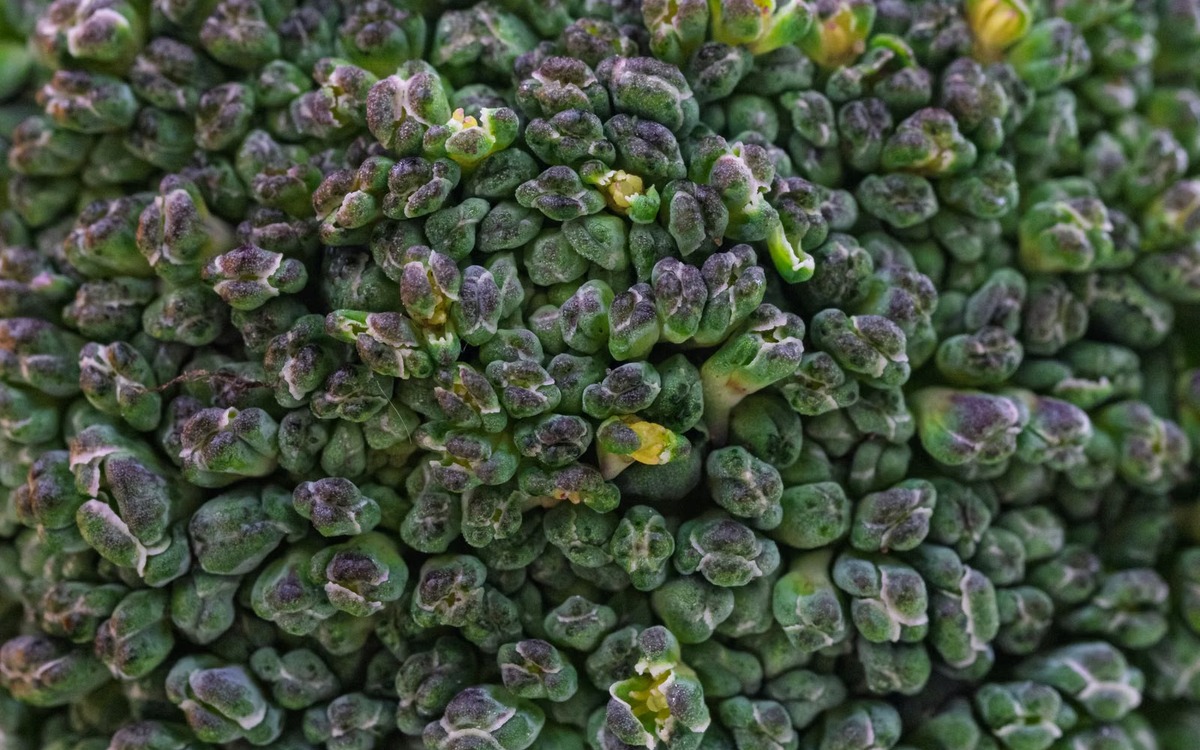
Broccoli is extremely sensitive to ethylene. UC Davis reports that ethylene exposure accelerates floret yellowing, so it is better not to store broccoli right beside strong ethylene-producing produce such as apples and pears. Cold storage is still the most important factor for slowing quality loss.
How to freeze broccoli
Freezing is a practical way to save extra broccoli for cooked dishes. Trim away leaves and woody portions, cut the head into convenient pieces, and keep florets no more than about 1½ inches across.
The National Center for Home Food Preservation recommends blanching broccoli for 3 minutes in boiling water or 5 minutes with steam. Cool it promptly after blanching, drain well, package it in freezer-safe containers or bags, and freeze. Blanching helps preserve color, texture, and quality during frozen storage.
When should you throw broccoli away?
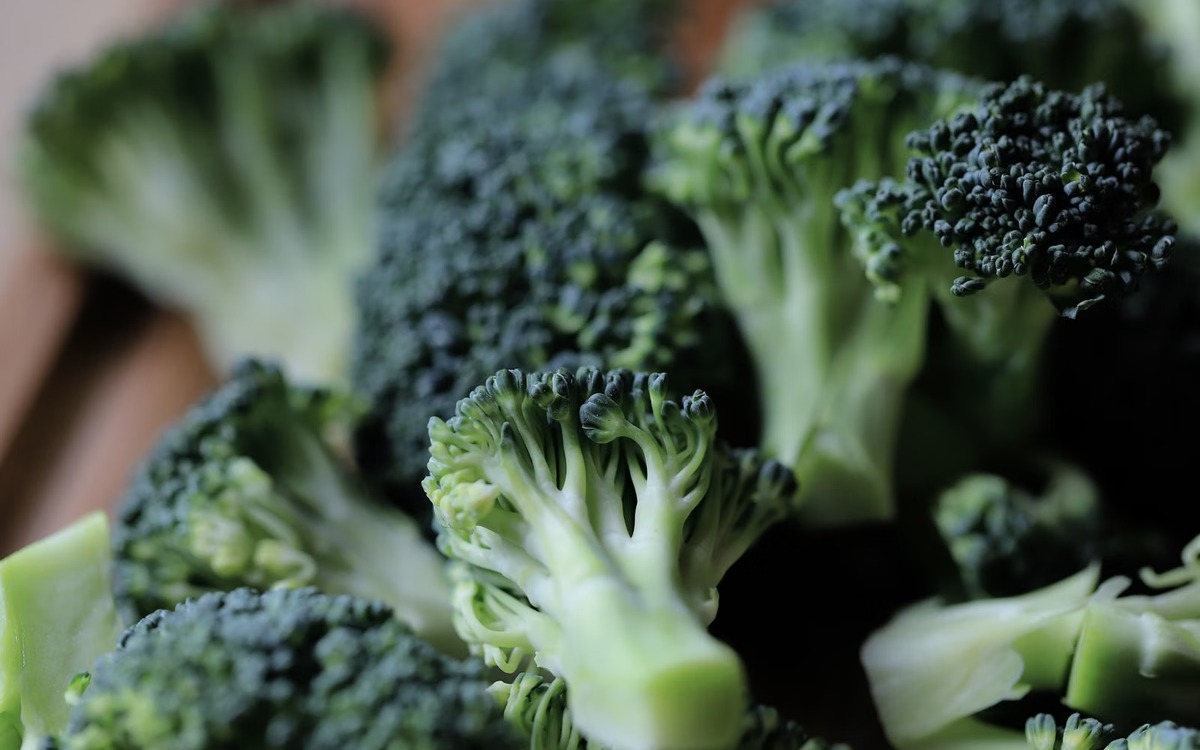
Discard broccoli that looks rotten, has visible mold, feels extensively slimy or mushy, develops widespread decay, or has a strong unpleasant odor. The FDA recommends throwing away produce that looks rotten.
Do not confuse ordinary aging with an automatic safety problem. Slight yellowing or a somewhat softer stalk can mean declining quality rather than spoilage. Use the whole condition of the broccoli—appearance, texture, and smell—to decide whether it is still usable.
Quick takeaways
- Choose firm stalks and compact, tightly closed green florets.
- Store broccoli unwashed and refrigerated.
- Use fresh broccoli within about 3 to 5 days for best household quality.
- Rinse under cool running water before use; do not wash produce with soap.
- Keep broccoli away from strong ethylene-producing fruit.
- Blanch for 3 minutes in boiling water or steam for 5 minutes before freezing.
- Discard broccoli that is rotten, moldy, extensively slimy, or strongly off-smelling.
Sources
U.S. Food and Drug Administration: Selecting and Serving Produce Safely
UC Davis Postharvest Research and Extension Center: Broccoli
Colorado State University Extension: How to Use Broccoli
National Center for Home Food Preservation: Freezing Broccoli




No comments:
Post a Comment