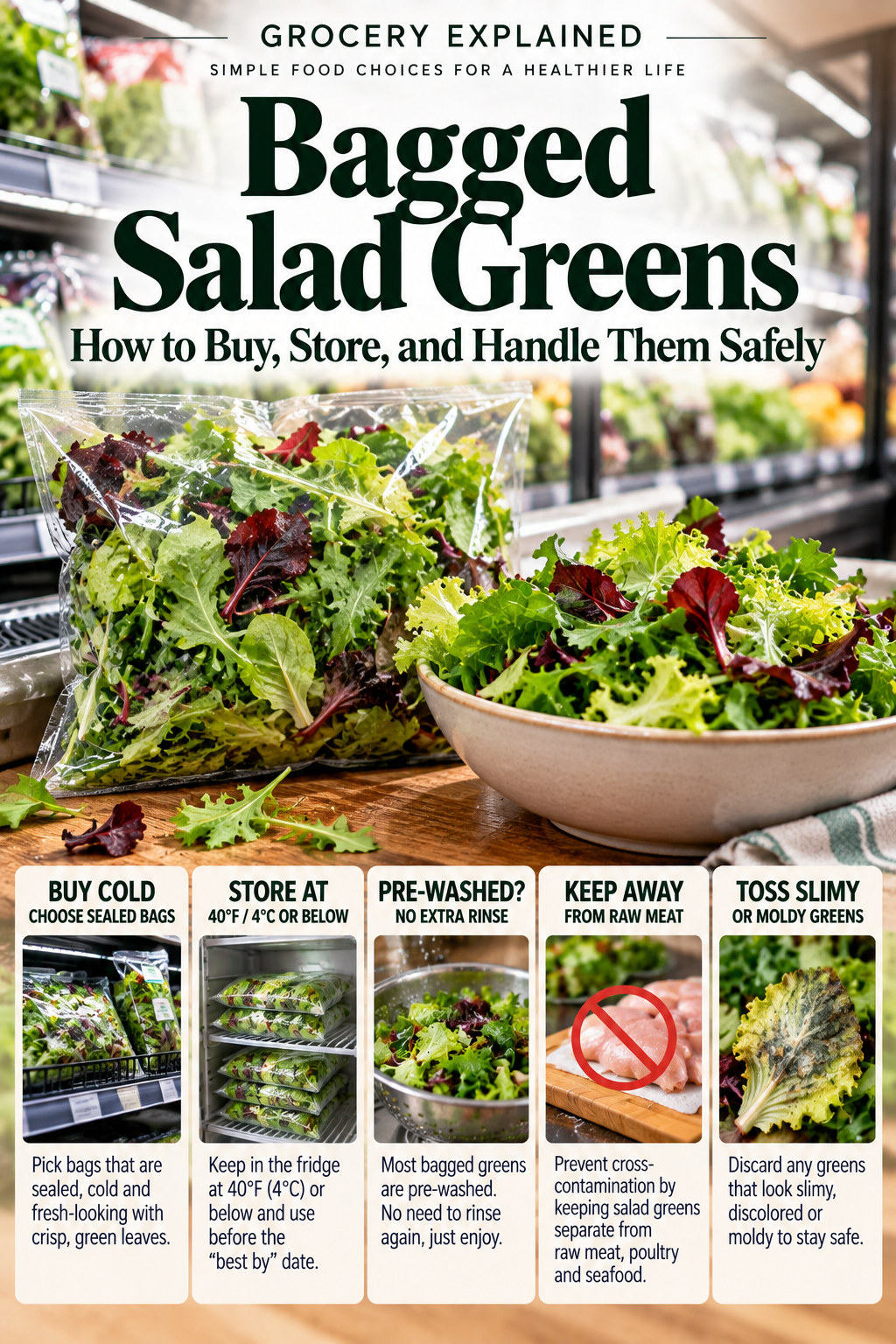
Bagged salad can turn a rushed dinner into a real meal in minutes, but convenience works best when you treat fresh-cut greens as a refrigerated, ready-to-eat food rather than a pantry shortcut. The useful habits are simple: buy cold packages, read the wash statement, keep the greens cold on the way home, prevent cross-contamination, and use the package while the leaves are still in good condition.
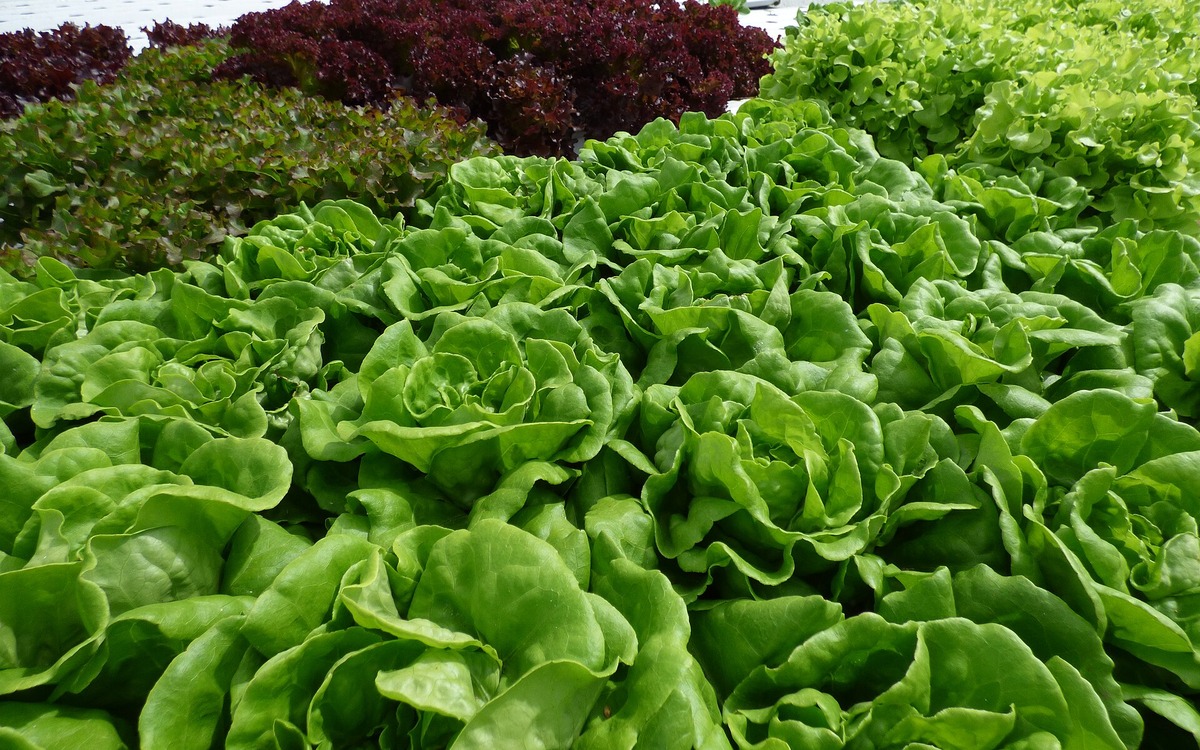
Start in the refrigerated case
When you buy pre-cut, bagged, or packaged produce, FDA recommends choosing products that are refrigerated or surrounded by ice. Skip bags with obvious damage, broken seals, excessive decay, or leaves that look badly bruised. A later use-by date can be helpful for planning, but it does not replace checking the actual condition of the package.
Keep salad greens separate from raw meat, poultry, and seafood in your cart and grocery bags. That small step reduces the chance that raw juices contaminate food you may eat without cooking.
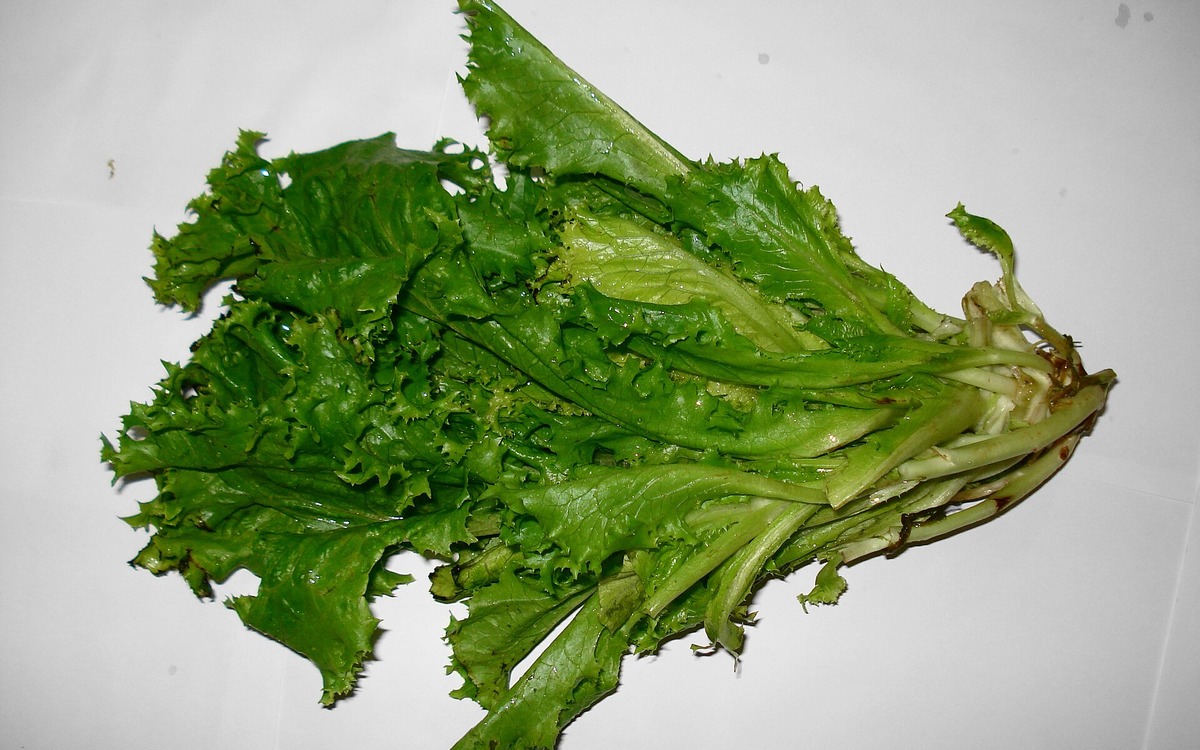
“Pre-washed” changes what you need to do at home
Many packaged greens are labeled pre-washed, washed, triple washed, or ready-to-eat. FDA says products identified as pre-washed and ready-to-eat can be used without washing again. Rewashing them is not an extra safety guarantee; if you do choose to rinse them, the important issue is avoiding contact with dirty sinks, utensils, towels, or work surfaces.
If the package is not labeled pre-washed or ready-to-eat, rinse the greens under plain running water. For broader advice on fresh loose-leaf produce, see our guide to buying and handling loose leafy greens safely. Do not use soap, detergent, bleach, or commercial produce wash. Washing can reduce some surface contamination, but it cannot make contaminated produce sterile.
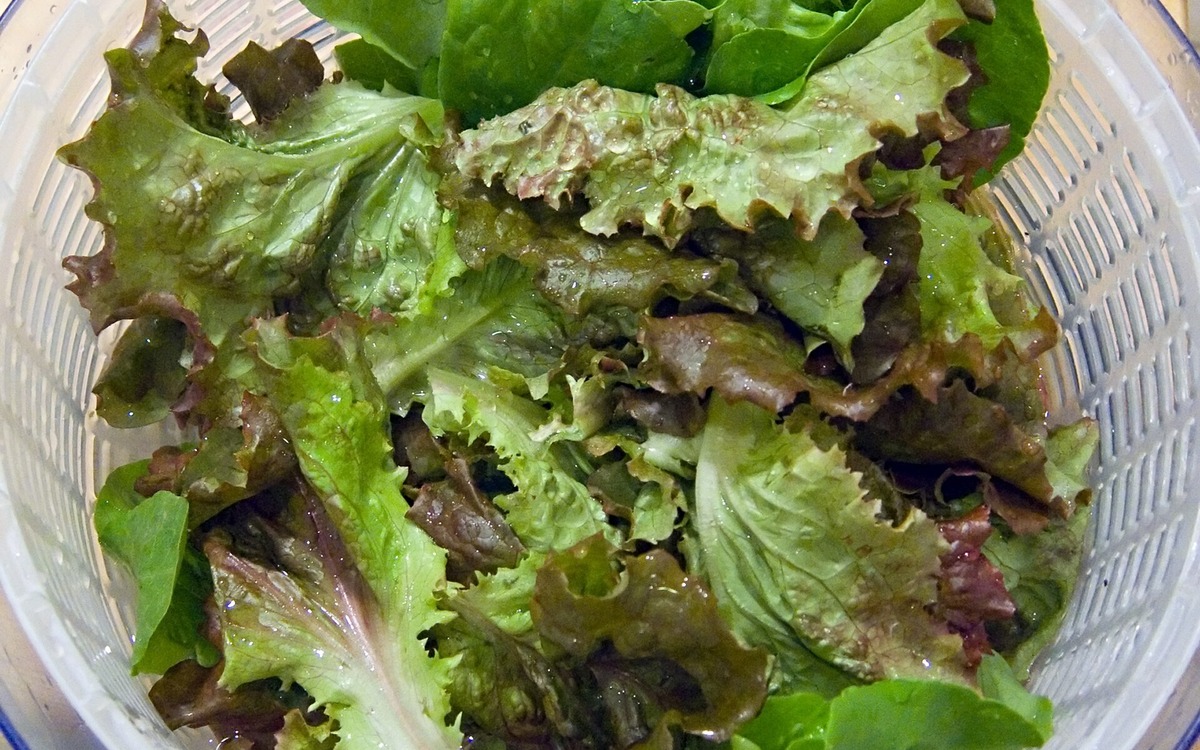
Cold storage matters more than a clever container hack
Fresh-cut leafy greens are temperature-sensitive. At home, keep your refrigerator at 40°F (4°C) or below; FDA retail guidance uses 41°F or below for cut leafy greens. Put the bag back in the refrigerator promptly after serving rather than leaving it on the counter through the meal.
For quality, moisture is the balancing act. Very wet leaves tend to deteriorate faster, while crushed leaves bruise easily. If you transfer greens to another container, use a clean food-safe container and avoid packing them tightly. A clean dry paper towel can help absorb excess condensation, but it is a quality trick—not a substitute for refrigeration or safe handling.
Keep raw foods away from ready-to-eat greens
Bagged salad often goes straight from package to plate, so cross-contamination deserves more attention than it gets. Store greens away from and preferably above raw meat, poultry, and seafood so leaking juices cannot drip onto them. Wash hands before preparation, and use clean cutting boards, bowls, knives, and serving utensils.
If a salad product is recalled, follow the recall instructions and discard the affected product. Cleaning and sanitizing refrigerator shelves, drawers, containers, and tools that contacted recalled greens can help prevent further contamination.
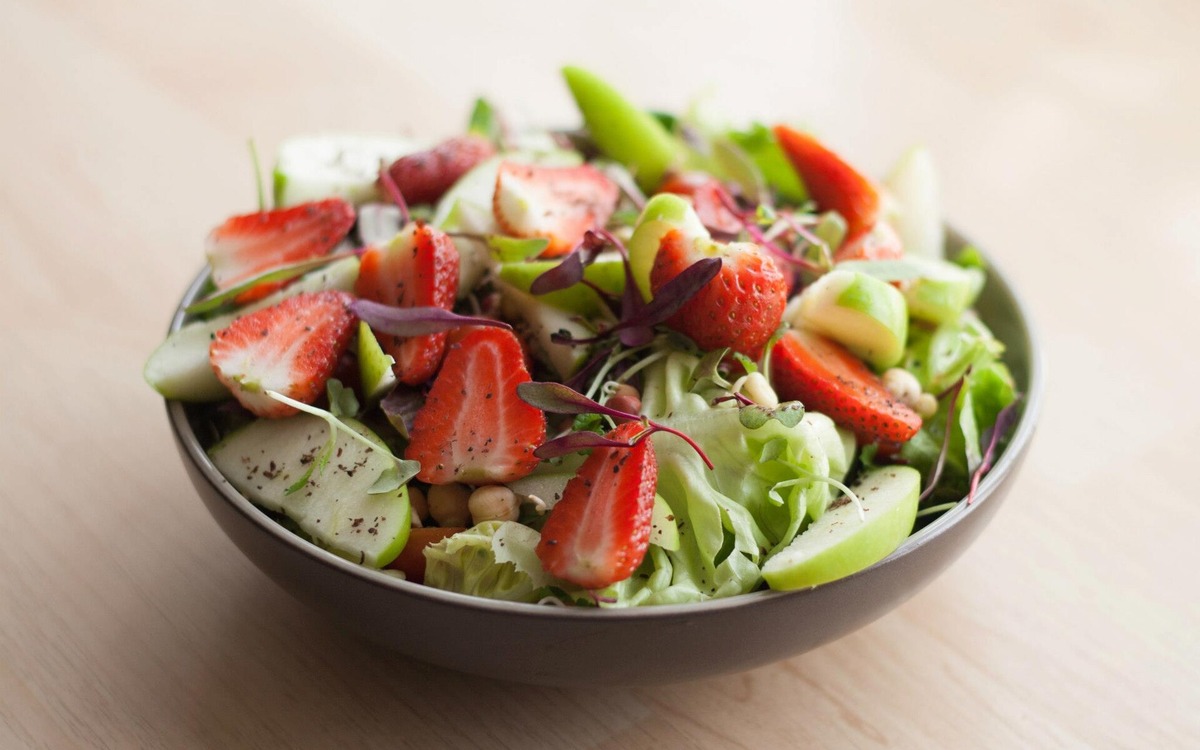
What about wilted or slimy leaves?
A few slightly wilted leaves are mainly a quality issue. If you are handling a whole head instead of a sealed salad mix, follow our advice on how to choose, wash, and store whole lettuce. Strong off odors, widespread sliminess, visible mold, or obvious spoilage are reasons to discard the product. Do not taste questionable greens to decide whether they are safe. Foodborne pathogens do not reliably announce themselves through smell or appearance, which is why refrigeration and clean handling matter even when a salad looks normal.
A practical bagged-salad routine
- At the store: choose a cold, intact package and keep it separate from raw animal foods.
- At home: refrigerate promptly at 40°F (4°C) or below.
- Before serving: read the wash statement. Ready-to-eat or pre-washed greens do not need another wash.
- During prep: use clean hands, bowls, boards, and utensils.
- After serving: return the package to the refrigerator promptly and discard greens that are clearly spoiled or subject to a recall.
Bottom line
Bagged salad is a useful convenience food, not something you need to fear or over-process. Buy it cold, respect the label, keep it refrigerated, and protect it from cross-contamination. Those habits do more for safe everyday use than rewashing a ready-to-eat product or relying on produce-wash gadgets.


No comments:
Post a Comment