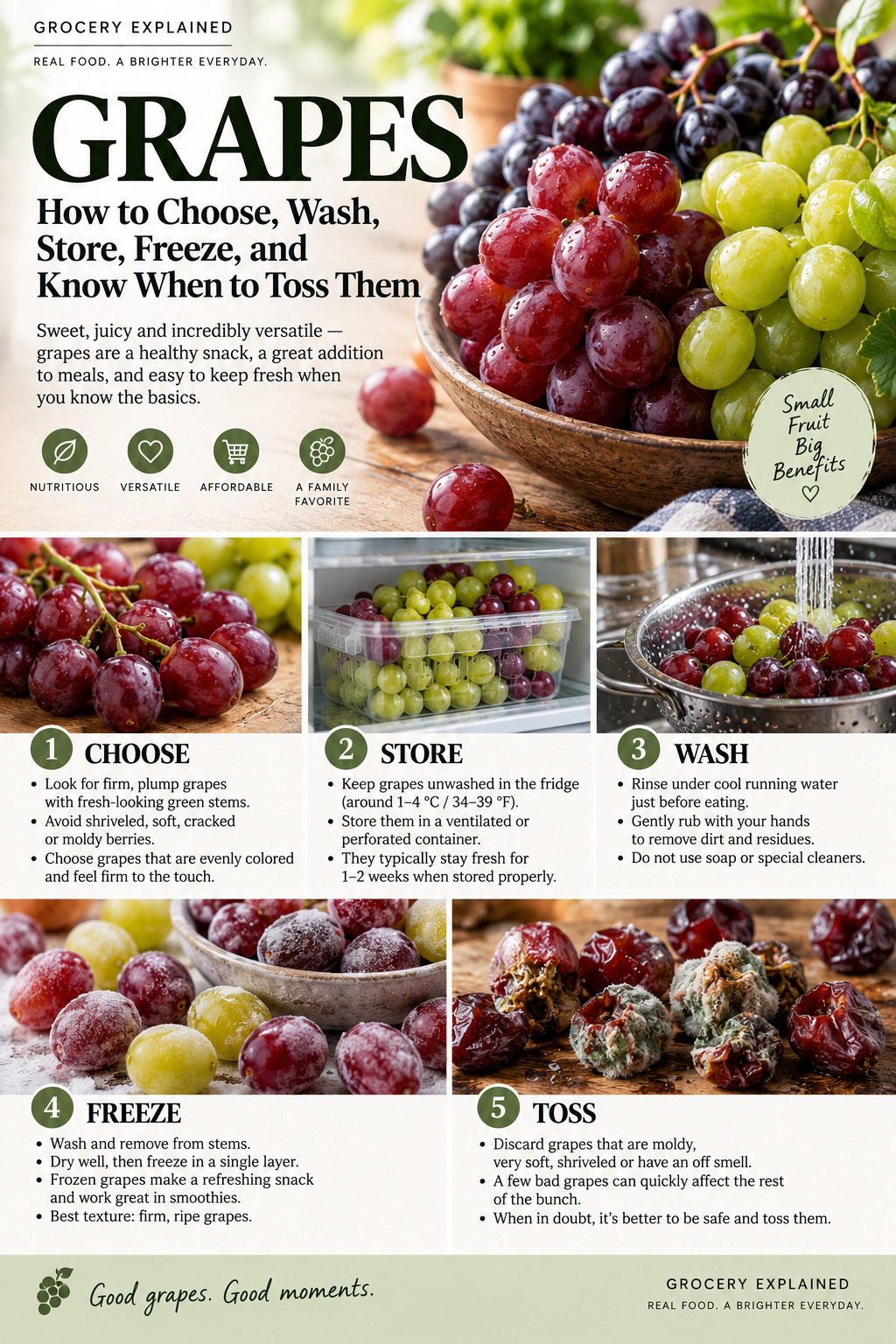
Grapes are easy to buy and easy to waste if they go into the refrigerator damp, damaged, or already starting to mold. The best routine is simple: choose firm fruit with healthy-looking stems, keep the bunches cold and dry, wash only what you are about to eat, and freeze extras while they are still sound.
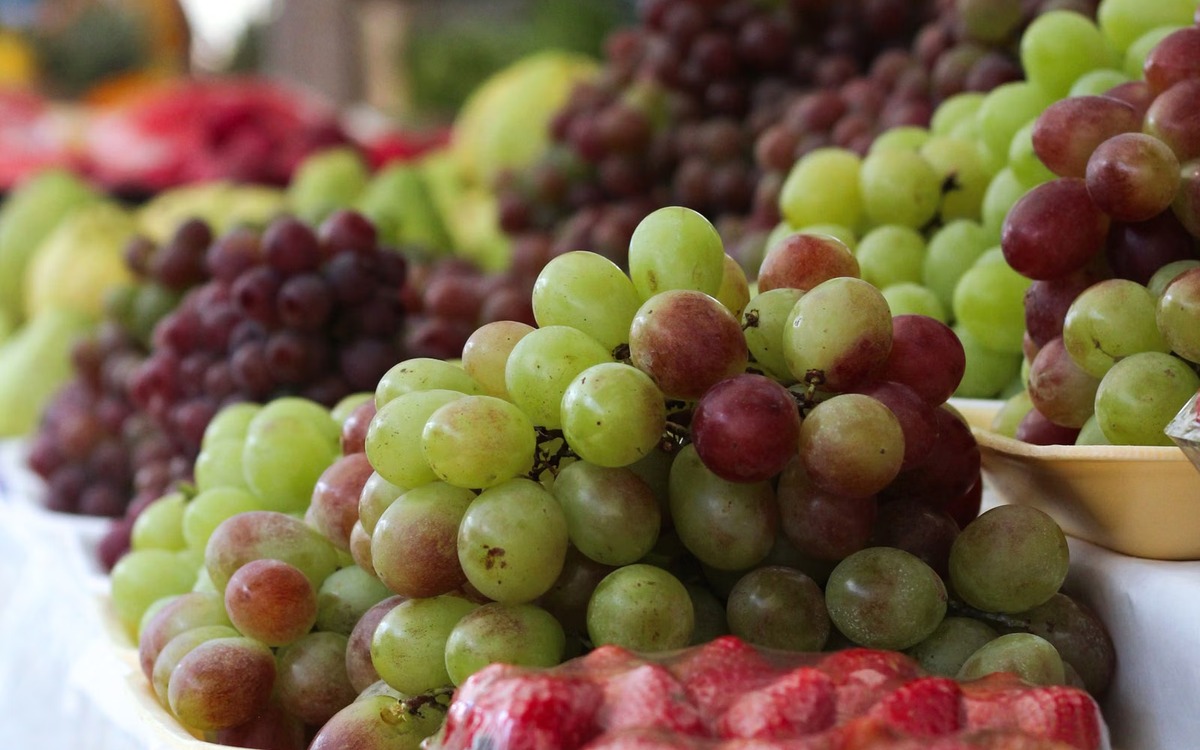
Choose grapes that are firm, plump, and well attached
Good table grapes should look plump and feel firm rather than soft or wrinkled. UC Davis lists berry firmness and the absence of decay, cracked berries, stem browning, shriveling, sunburn, and insect damage among the important quality markers for table grapes.
Stems are useful clues too. Utah State University Extension advises looking for firm, plump grapes with good color and green stems. Brown, dry stems and lots of loose berries are signs that the bunch has been sitting longer or is overripe.
A pale, dusty-looking film on the skin is not automatically a problem. Many grapes naturally carry a waxy bloom. What matters more is whether the berries are intact, firm, dry, and free from mold, leaking juice, or widespread shriveling.
Refrigerate grapes promptly and keep them dry
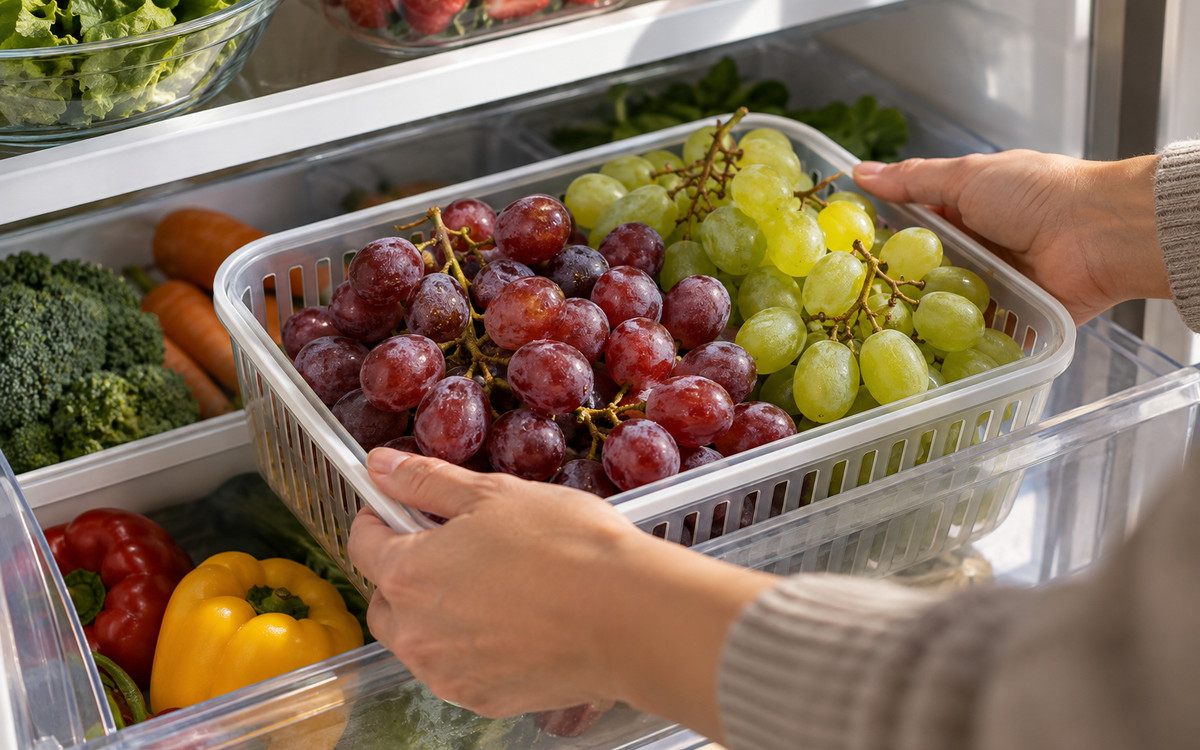
Grapes are a refrigerated fruit. Utah State University Extension recommends storing fresh grapes in the refrigerator in a perforated plastic bag, while UC Davis notes that low temperature is one of the most important controls for maintaining grape quality after harvest.
At home, that means putting grapes into the refrigerator soon after shopping instead of leaving them on the counter for days. A ventilated produce container or the original perforated bag works well because it keeps the fruit cold without trapping as much surface moisture.
Before storing, remove any crushed, leaking, or moldy berries. Colorado State University Extension specifically advises discarding spoiled or moldy grapes before storage because spoilage organisms can spread to nearby fruit.
Wait to wash grapes until you are ready to eat them
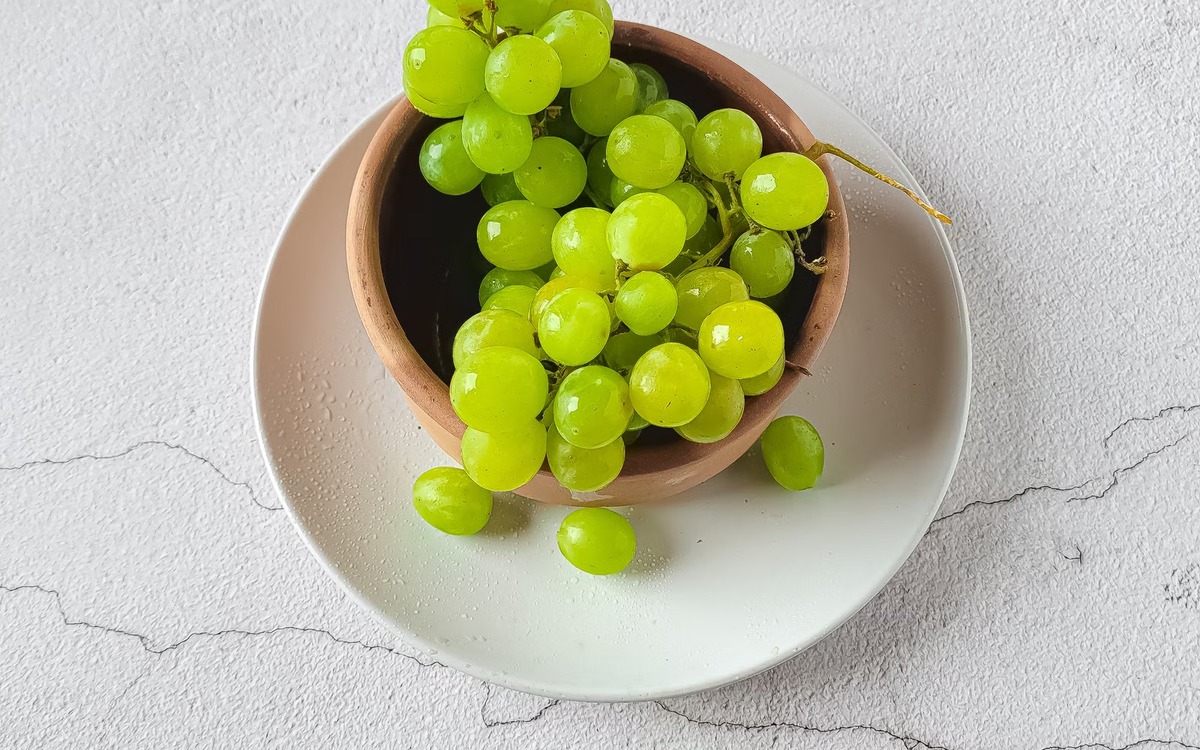
For best keeping quality, store grapes unwashed and rinse them just before serving. Utah State University Extension says to wash grape clusters just before use under a gentle spray of water, then drain and pat them dry. Penn State Extension also recommends waiting to wash grapes until you are ready to eat them to reduce conditions that favor mold.
When it is time to eat them, rinse the grapes under cool running water and gently rub the berries with clean hands. The FDA advises washing produce under running water and does not recommend soap, detergent, or commercial produce washes.
Do not soak grapes for long periods. After rinsing, drain them well or dry them with a clean towel if you are not serving them immediately.
Freeze sound, ripe grapes before they decline
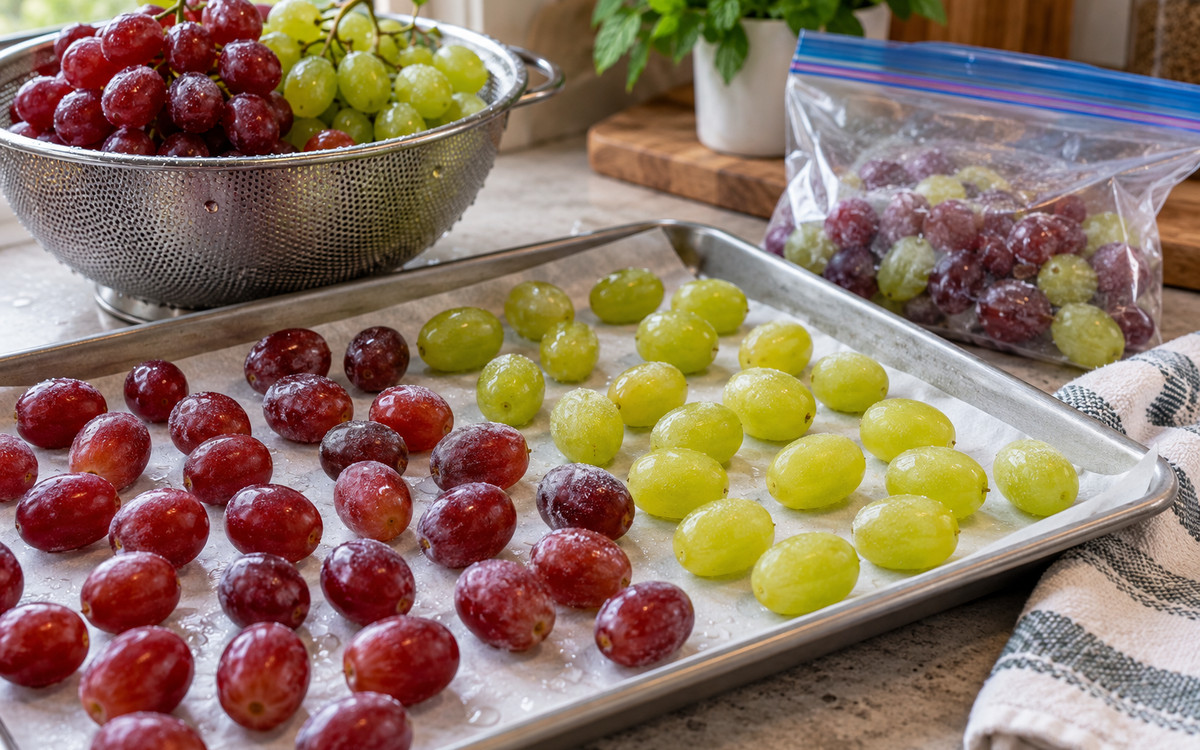
Freezing is a practical way to save a bunch you will not finish in time. The National Center for Home Food Preservation recommends choosing fully ripe, firm, sweet grapes, then sorting, stemming, and washing them before freezing. Seedless grapes can be left whole.
For an easy snack-style method, wash and stem the grapes, dry them thoroughly, spread them in a single layer on a tray, and freeze until firm before transferring them to a freezer container or bag. Colorado State University Extension lists tray packing as an appropriate method for whole grapes.
Frozen grapes work especially well as a cold snack or in smoothies. Their texture changes after freezing and thawing, so they are not a perfect substitute for fresh grapes in every dish.
Do not try to rescue moldy grapes
If a grape is moldy, discard it. USDA Food Safety and Inspection Service guidance says mold can spread quickly in fruits and vegetables, and soft fruits can be contaminated below the visible surface.
If you find a moldy grape inside a container, remove the moldy fruit and any pieces directly touching it. Inspect the rest carefully. Grapes that are overly mushy, leaking, fermented-smelling, or showing additional mold should also be discarded.
Normal moisture on freshly washed grapes is different from leaking juice caused by breakdown. Likewise, a few loose berries are not automatically unsafe, but a bunch with widespread softening, shriveling, mold, or off odors has reached the point where keeping it is not worth the risk.
A simple grape routine
- Buy firm, plump bunches with fresh-looking stems and no visible mold.
- Refrigerate them soon after shopping in a ventilated or perforated container.
- Keep grapes unwashed until you are ready to eat them.
- Rinse under cool running water; do not use soap or produce detergent.
- Dry well if you are preparing grapes for storage or freezing.
- Freeze firm, ripe extras before quality drops too far.
- Discard moldy, leaking, overly mushy, or clearly spoiled grapes.
Bottom line
The best answer to how to store grapes is to keep them cold, dry, and unwashed until you need them. Start with good-quality fruit, remove damaged berries, rinse only before eating, and freeze extras while they are still firm and sound. That routine gives you a better chance of finishing the bunch before mold or shriveling takes over.




No comments:
Post a Comment