Flour looks dry, simple, and shelf-stable, so it is easy to treat it as if it were ready to eat straight from the bag. It is not. Most flour is a raw food, and the grain used to make it can pick up harmful bacteria before or during processing.
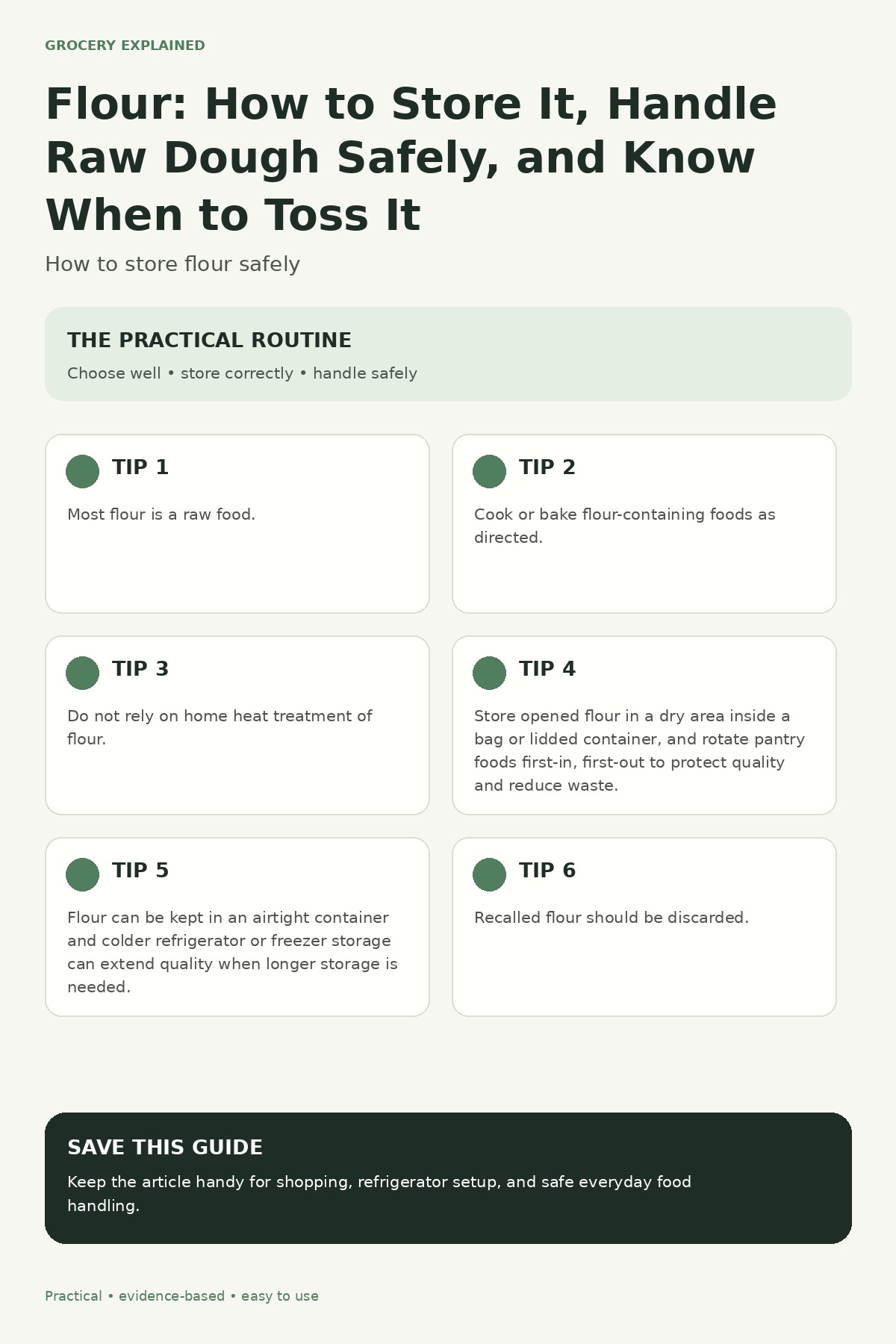
The practical routine is straightforward: buy the type of flour you will actually use, keep it dry and well sealed, treat raw flour and dough as uncooked food, clean up after baking, and cook or bake flour-containing foods according to the recipe or package directions.
Choose flour for the job you actually do
For most home kitchens, all-purpose flour is the most flexible choice. Bread flour has more protein and is designed for stronger gluten development in yeast breads. Cake and pastry flours are softer and better suited to tender baked goods. Whole-wheat flour includes the bran and germ, which adds flavor and texture but also means it generally loses quality faster than refined white flour because the germ contains oils that can turn rancid.
Before buying a large bag, think about how quickly you bake. A smaller bag that stays fresh and pest-free can be better value than a bulk package that sits open for months. Check that the package is dry, intact, and free from tears, damp spots, or signs of insects.
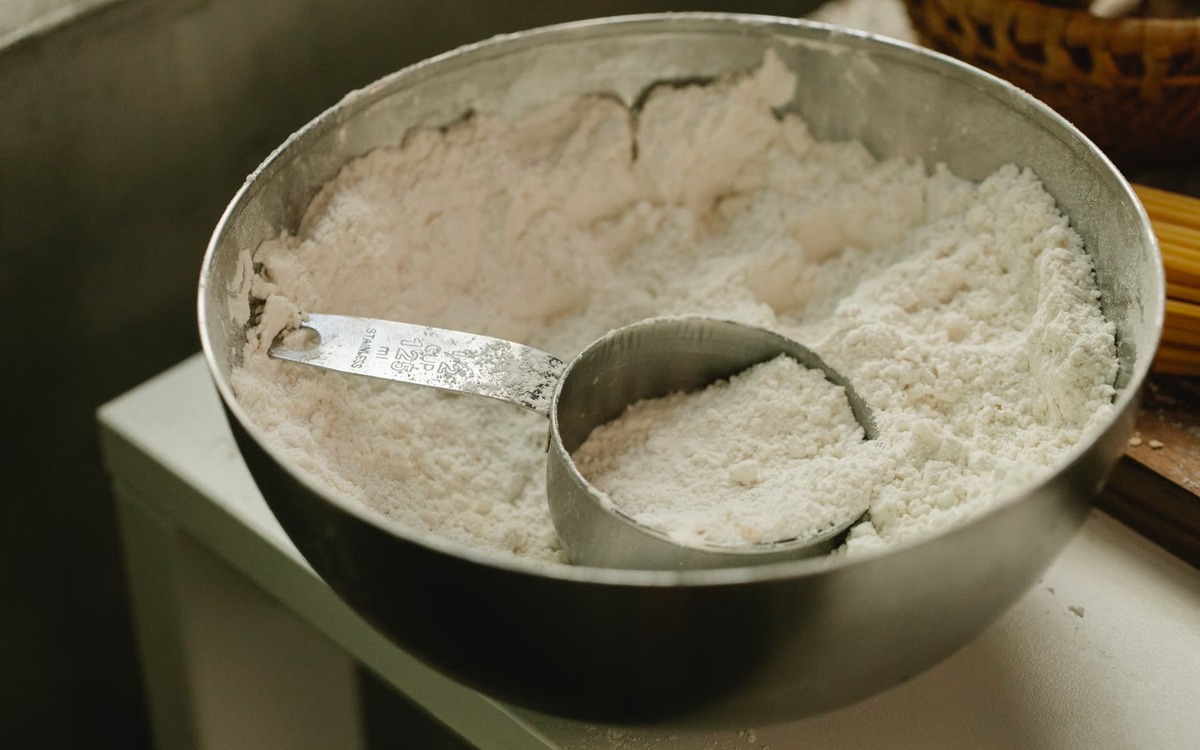
Store opened flour in a tightly closed container
Flour keeps best when it is protected from moisture, heat, strong odors, and pantry pests. Illinois Extension recommends keeping pantry foods in a dry storage area and placing opened flour in a storage bag or lidded container. An airtight food-safe container also makes it easier to keep the pantry clean if an insect problem ever appears.
For everyday all-purpose flour, a cool, dry pantry is usually convenient. Keep the container away from the stove, dishwasher, sunny windows, or other places where temperature and humidity swing. Labeling the container with the flour type and the date you opened it makes rotation easier.
If you buy more flour than you will use soon, the refrigerator or freezer can help preserve quality. Colorado State University Extension lists longer refrigerated and frozen storage for flour and recommends an airtight container. Whole-wheat flour especially benefits from colder storage because its natural oils can develop stale or rancid flavors sooner.
If flour has been chilled or frozen, keep it sealed while it comes closer to room temperature before opening. That simple step helps reduce condensation from forming on cold flour. Freezing preserves quality; it does not make raw flour safe to eat uncooked.
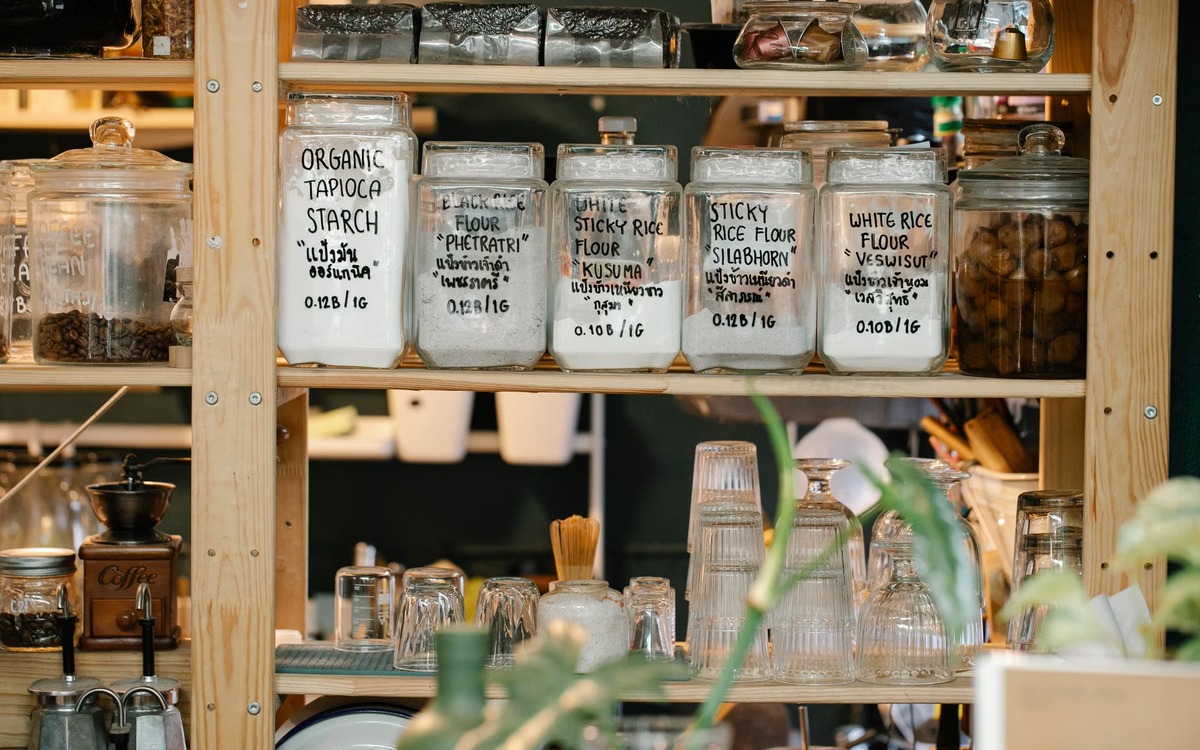
Most flour is raw food
The FDA and CDC both emphasize a point many home bakers miss: most flour has not been treated to kill germs. Wheat and other grains grow outdoors, where they can be exposed to bacteria such as E. coli and Salmonella. Grinding or bleaching flour does not reliably eliminate those germs.
That is why tasting raw cookie dough, cake batter, pizza dough, pancake batter, tortilla dough, or even a spoonful of plain flour is not recommended. Raw eggs can add another risk in recipes that contain them, but an egg-free dough made with untreated raw flour is still not automatically safe to taste.
CDC advises choosing products specifically labeled edible or safe to eat raw when you want a ready-to-eat dough or batter. Those products are made with ingredients such as heat-treated flour and pasteurized eggs, or are formulated without raw eggs.
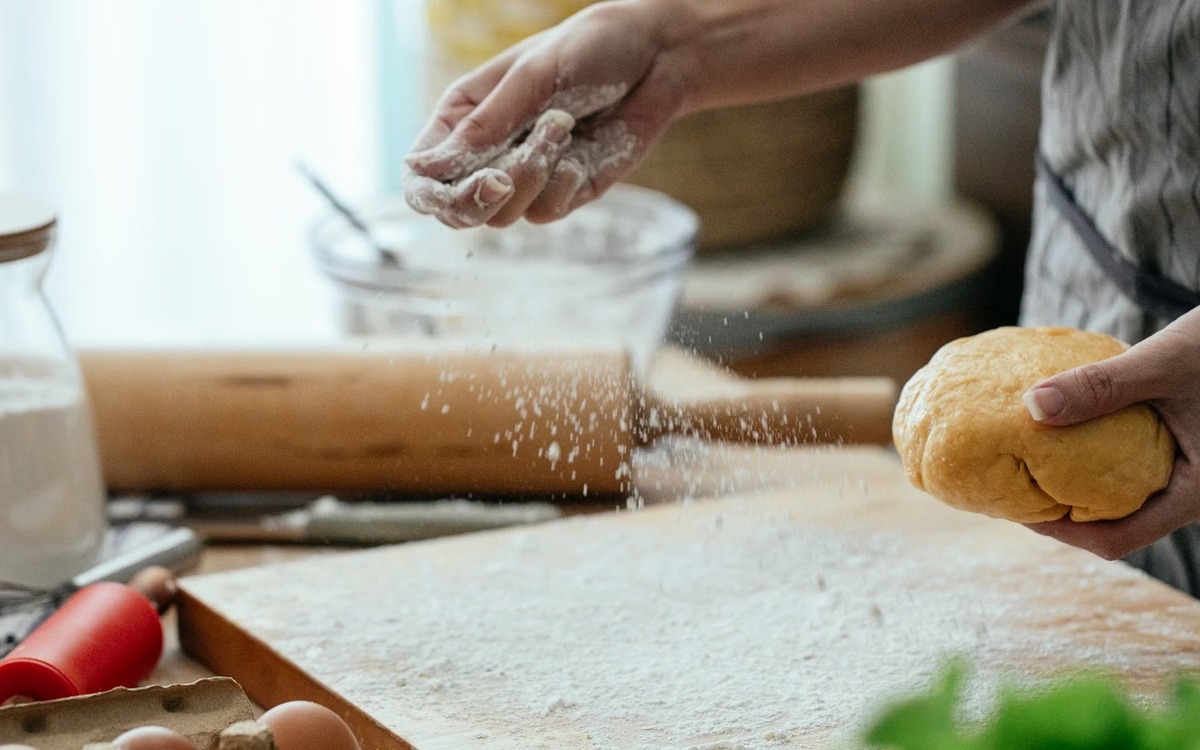
Do not try to heat-treat flour at home for raw recipes
Internet recipes sometimes suggest microwaving or baking flour by itself so it can be used in no-bake cookie dough. The FDA specifically advises consumers not to rely on home heat treatment. Home methods may not heat every part of the flour evenly enough to kill harmful bacteria.
If a recipe will not be cooked, use flour that the manufacturer identifies as heat-treated or use a product that is clearly labeled as safe to eat raw. Do not assume that warming ordinary flour in a microwave or oven makes it equivalent to commercially treated flour.
Keep loose flour away from ready-to-eat food
Flour is a fine powder, so it can spread farther than it seems. The FDA recommends keeping raw foods such as flour and eggs separate from ready-to-eat foods. When you measure or mix flour, avoid placing fruit, finished sandwiches, cooked food, or clean serving utensils in the same dusty workspace.
After handling flour, raw dough, or raw eggs, wash your hands with soap and running water. Wash bowls, utensils, baking pans, cutting boards, and countertops with warm, soapy water. Wiping visible flour away is useful, but the important step is actually cleaning the surfaces that contacted raw ingredients.
Cook or bake according to the recipe or package directions
Cooking is the step that makes ordinary raw flour-containing foods ready to eat. The FDA and CDC recommend following the stated cooking or baking time and temperature for the recipe, mix, or packaged dough. Avoid judging doneness only by how the outside looks if the center may still be raw.
For refrigerated commercial dough, keep it refrigerated as the label directs until you are ready to bake it. Once baked, store the finished food according to the recipe and the ingredients it contains; a loaf of bread, a cream-filled pastry, and a meat pie do not have the same storage needs simply because all three contain flour.
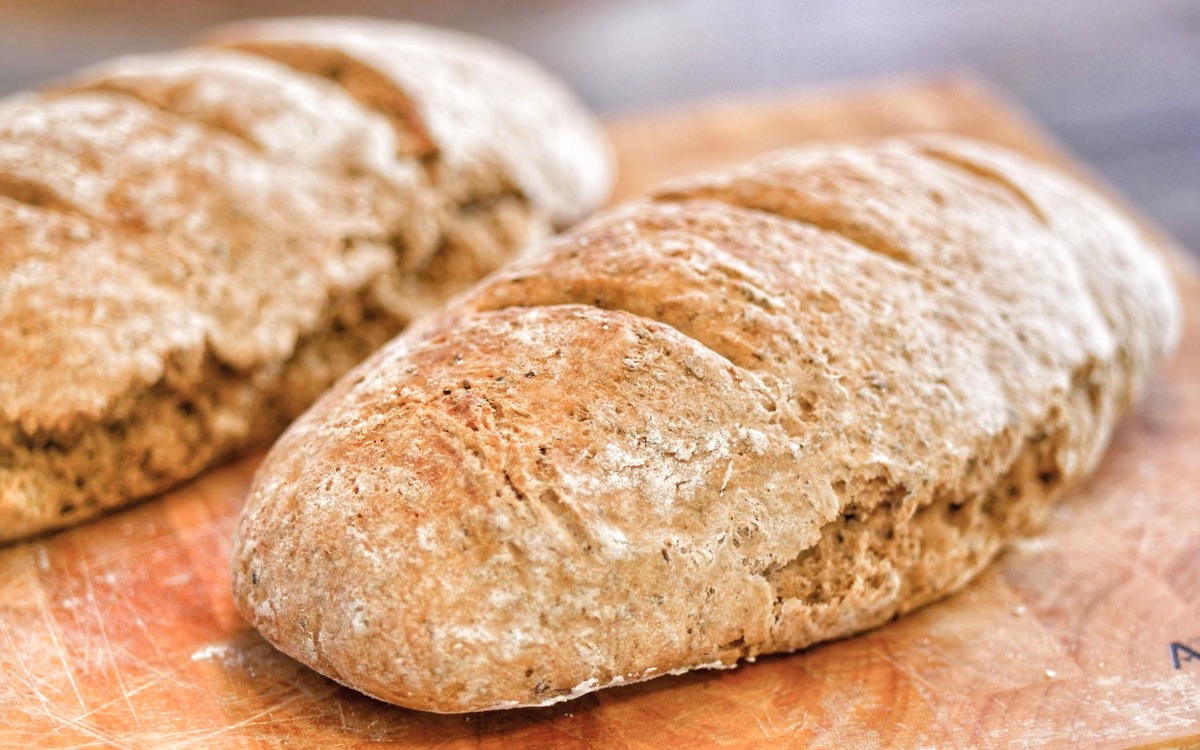
How long does flour keep?
Storage times are best treated as quality guidelines rather than guarantees. Illinois Extension, citing USDA FoodKeeper guidance, lists roughly 6 to 8 months in the pantry for all-purpose flour and about 3 to 6 months for whole-wheat flour; colder storage can extend quality. Package dates, storage temperature, humidity, and how often the container is opened all matter.
The most useful habit is first-in, first-out rotation: finish the older flour before opening another bag. If you rarely bake, write the purchase or opening date on the container and buy smaller amounts.
When to throw flour away
Discard flour if you see insects, webbing, obvious mold, or signs that water has entered the package. A distinctly rancid, paint-like, musty, or otherwise unpleasant odor is also a reason to replace it, especially with whole-grain flour. Normal flour should smell mild rather than strongly oily or sour.
Clumping does not always mean contamination, but damp or hardened flour suggests moisture exposure and is not worth rescuing. Do not mix questionable flour into a fresh bag.
Also check recalls. Flour and baking mixes can remain in pantries for a long time, so CDC recommends checking older packages against FDA recall information. If flour is recalled, follow the recall instructions and throw it away rather than trying to cook around the problem.
Do not use oven “dry canning” as a storage shortcut
Putting flour into jars and heating the sealed jars in an oven is sometimes promoted as a way to extend shelf life. Illinois Extension advises against this practice. Home canning jars are not designed for dry oven heating, and dry-canning methods are not a validated substitute for ordinary dry storage.
A simpler system is safer and easier: keep flour dry, use a clean airtight container, rotate your supply, refrigerate or freeze extra flour if needed, and discard any package affected by pests, water, unusual odors, or recalls.
A simple flour routine
- Buy the flour type and bag size you are likely to use.
- After opening, transfer it to a clean, tightly closed food-safe container.
- Store it in a cool, dry place; use the refrigerator or freezer when longer quality storage is useful.
- Treat ordinary flour, dough, and batter as raw food.
- Do not taste raw dough or batter unless the product is specifically labeled safe to eat raw.
- Keep flour dust away from ready-to-eat food and clean hands and surfaces after baking.
- Cook or bake according to the recipe or package directions.
- Discard recalled, pest-infested, wet, moldy, or rancid-smelling flour.
Bottom line
Flour is easy to store, but it deserves the same basic care as other raw ingredients. Keep it sealed and dry, use colder storage when you need more time, never assume raw dough is safe just because it contains no eggs, and let proper cooking or baking do the safety work.
That routine protects both quality and food safety without turning an ordinary pantry staple into a complicated project.




No comments:
Post a Comment